Construction company closures hit 17-year high, with 63% outside greater Seoul
Stalled sites struggle to attract replacement contractors
Unsold and unoccupied units squeeze cash flow
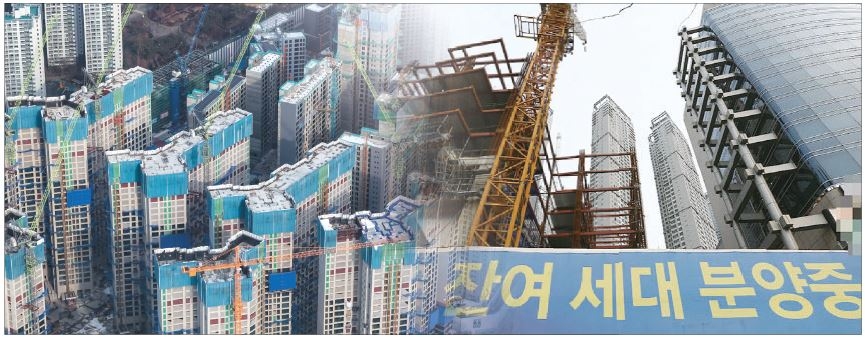
Construction company closures have surged to a 17-year high this year, and across South Korea's regions, half-built "ghost apartments" are multiplying. When a contractor goes bankrupt and work stops, a replacement must be found to resume construction — but a slumping regional housing market and a broader downturn in the construction industry have made even that difficult. In some cases, even completing a project offers little relief, as unsold and unoccupied units leave developers unable to recover their costs.
Yutap Construction goes bankrupt mid-project, replacement contractor proves elusive
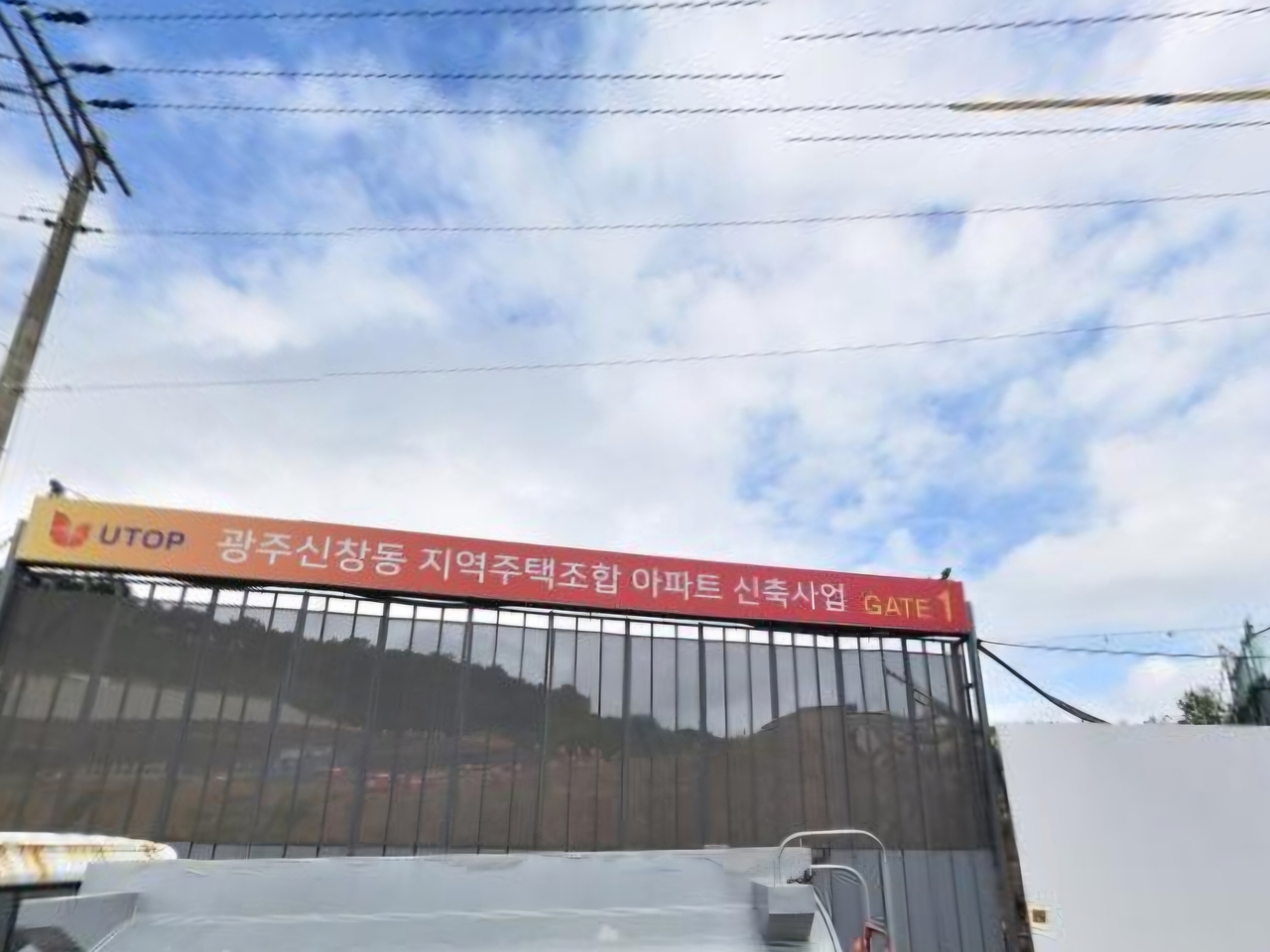
The Korea Housing and Urban Guarantee Corporation recently launched a competitive bidding process to find a replacement contractor for Sinchang Yutap Ublesse River City, a stalled apartment project in Sinchang-dong, Gwangsan-gu, Gwangju, according to the redevelopment industry. The move came after contractor Yutap Construction went bankrupt last year, bringing work to a prolonged halt. The corporation has designated the site a guarantee-default project and is pursuing a pre-sale fulfillment procedure.
The Sinchang Yutap Ublesse River City project, a local housing cooperative development, comprises 304 units in total — three apartment buildings with 204 units and six row-house buildings with 100 units. Move-in had originally been scheduled for May last year but was pushed back twice, first to September and then to December, due to the contractor's difficulties. After Yutap Construction went bankrupt, construction stopped entirely, prolonging the hardship for cooperative members waiting to move in.
The project is currently about 80 percent complete. The structural frame is finished, but exterior and interior finishing work has not been done. The corporation has set the remaining construction cost at 39 billion won ($29.4 million) and is searching for a replacement contractor to take over.
The core problem is finding a willing replacement. The corporation issued a first call for bids in August but received no applicants and opened a second round. Any replacement contractor must demonstrate superior construction capacity or a higher credit rating than the original contractor — a bar that is proving hard to clear for companies willing to take on a project in a regional market.
"The project qualified for pre-sale fulfillment because the completion rate confirmed by the construction supervisor as of the guarantee default date was at least 80 percent," a Korea Housing and Urban Guarantee Corporation official said. "The first round was unsuccessful, but we recently held a project briefing and a few construction companies showed interest."
Stalled sites spread across regions as 63% of shuttered firms are outside greater Seoul
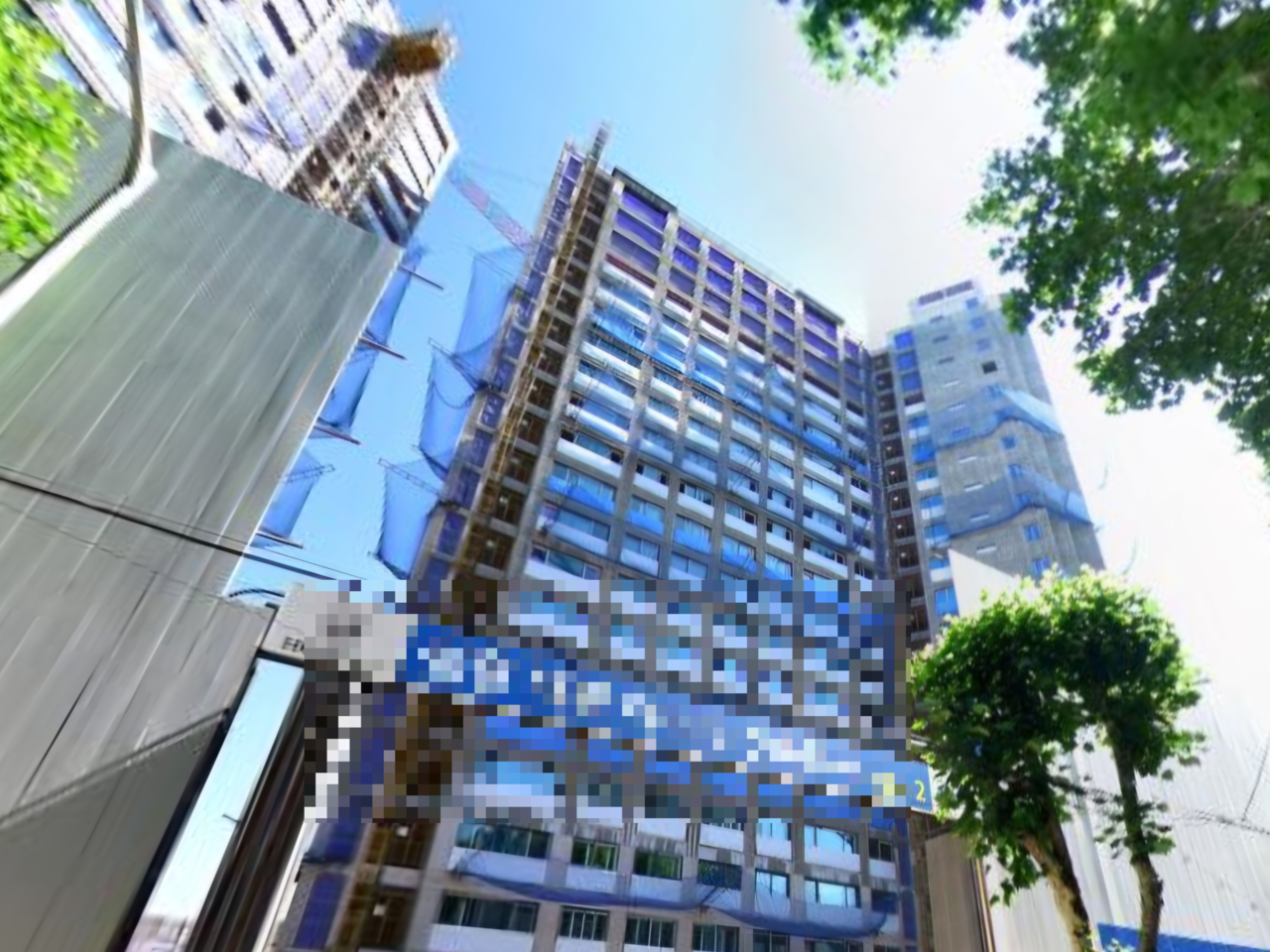
Contractor bankruptcies halting construction or delaying move-ins have been reported across the country. Last month, Taewang E&C — ranked 67th in construction capacity assessments — entered court receivership, blocking residents from moving into a reconstruction project in Gwaneum-dong, Buk-gu, Daegu. A private rental apartment project in Chuncheon, Gangwon Province, also ground to a halt after its contractor went bankrupt, leaving a move-in date originally set for June 2024 still unmet.
Industry analysts say a combination of a depressed regional housing market and rising construction costs is driving a wave of pre-sale guarantee defaults.
"The financial strain on regional construction companies worsened in the wake of the 2022 Legoland crisis, and rising construction costs have since added to the pressure, making pre-sale guarantee defaults more frequent," an industry official said. "In Seoul and the greater metropolitan area, buyers tend to want the project completed even when a default occurs, but in the regions there are cases where buyers demand refunds because of a perception that 'it's hard to turn a profit even if the apartment gets built.'"
A broader slump across the construction industry is deepening the crisis at regional project sites. According to the Ministry of Land, Infrastructure and Transport's Construction Industry Knowledge Information System, a total of 3,274 construction companies — including both general and specialty contractors — filed for closure between January and September this year, including amended and withdrawn filings, up 27.4 percent from 2,569 in the same period last year. It was the highest figure for that period in 17 years, since 3,340 closures were recorded in the same stretch of 2009.
About 300 more companies closed in October alone, bringing the cumulative total to 3,538. Of those, 1,308 — or 37 percent — were based in Seoul, Gyeonggi Province or Incheon. The remaining 2,230, accounting for 63 percent, were located outside the greater metropolitan area, underscoring the comparatively severe financial distress facing regional construction firms.
Regional builders' crisis deepens as incomplete and unoccupied units erode cash flow
The crisis among regional construction companies is intertwined with a contraction in the private housing market. Accumulating unsold inventory, combined with rising construction and financing costs, has made it increasingly difficult for developers to secure project profitability.
Experts are paying particular attention not just to unsold units but to a growing "non-occupancy" problem — cases where construction is never completed, or where pre-sold units never translate into actual move-ins. Even when a project is finished, analysts say, a contractor's cash crunch cannot be resolved if pre-sale payments and final installments go uncollected.
"In residential construction projects, a contractor's full cost recovery is achieved not simply by completing the building, but mostly through the final payment installments from buyers," said Kwon Jun-seong, a senior researcher at NICE Credit Rating's corporate ratings division. "Recent tightening of the government's real estate regulations has reduced transaction volumes, and combined with lending restrictions, buyers' financing capacity has shrunk — adding to the risk of non-occupancy."
Kwon said the failure of pre-sales to convert into move-ins is eroding construction companies' cash flow. "Uncollected receivables tied to pre-sale projects at 21 major construction companies stand at approximately 17.7 trillion won as of recently, of which 7.6 trillion won — about 43 percent — relates to already-completed sites," he said. "The buildup of receivables from prolonged non-occupancy is feeding into higher external borrowing and rising financing costs."
hss@heraldcorp.com