Saved 100 million won in two years, bought first home in Suji
Future husband chose Bundang — each bought solo before marriage
'I picked a place I could actually live in, even if prices fell'
Some names and details in this article have been changed to protect the identities of those involved.

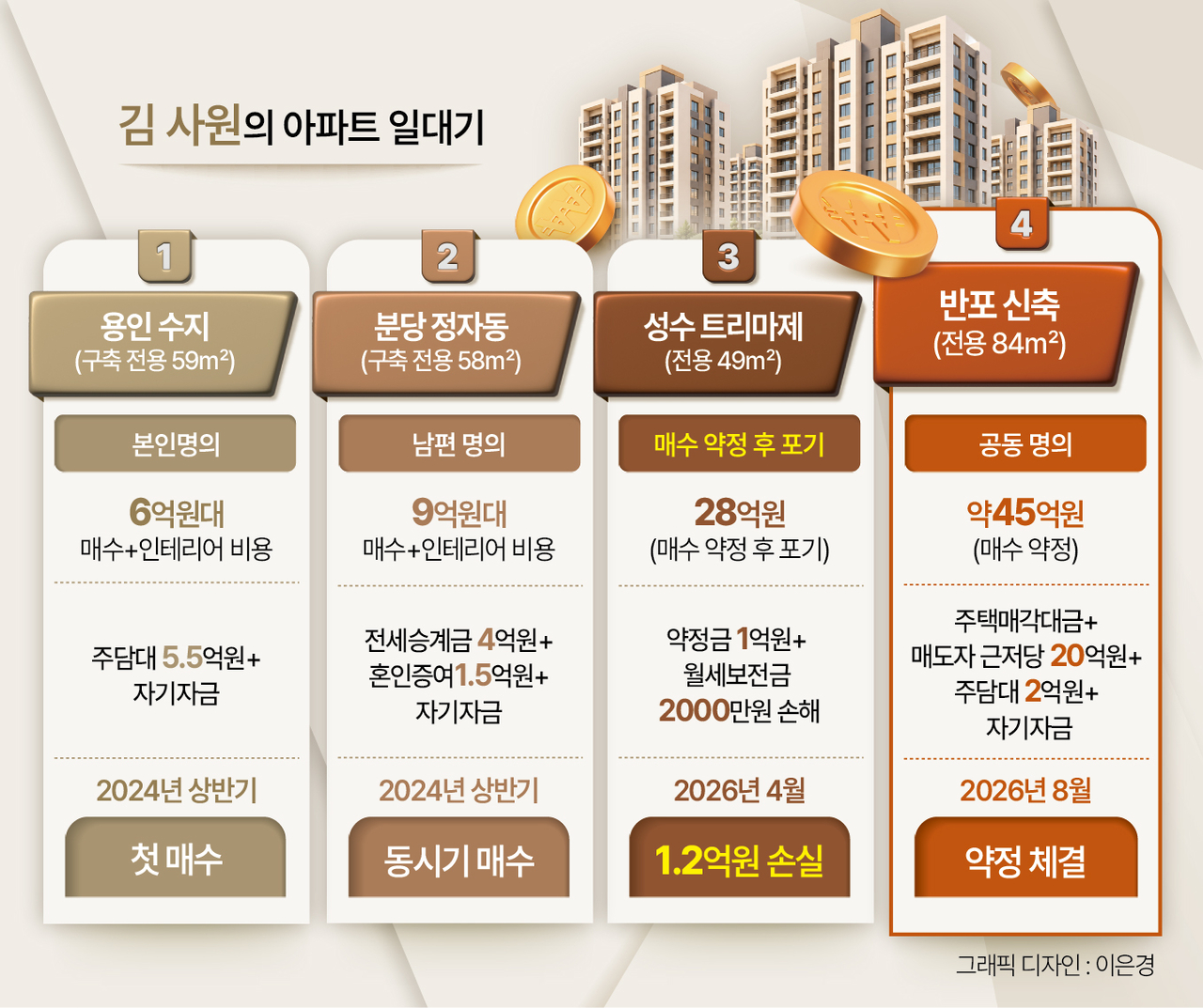
The moment her bank account hit 100 million won ($75,500), she started looking for a home. It had taken about two years since joining a financial firm. She could have set the money aside for a wedding fund, but instead she took out a mortgage and bought an older apartment in Suji, Yongin, Gyeonggi Province, for around 600 million won. Her then-fiancé made a similar move at roughly the same time, purchasing his first home in Bundang, Seongnam, in the 900 million won range.
About two years later, the couple sold both properties. The Suji apartment went for around 1.2 billion won; the Bundang unit fetched roughly 1.7 billion won. Their next destination was Banpo, in the heart of Seoul.
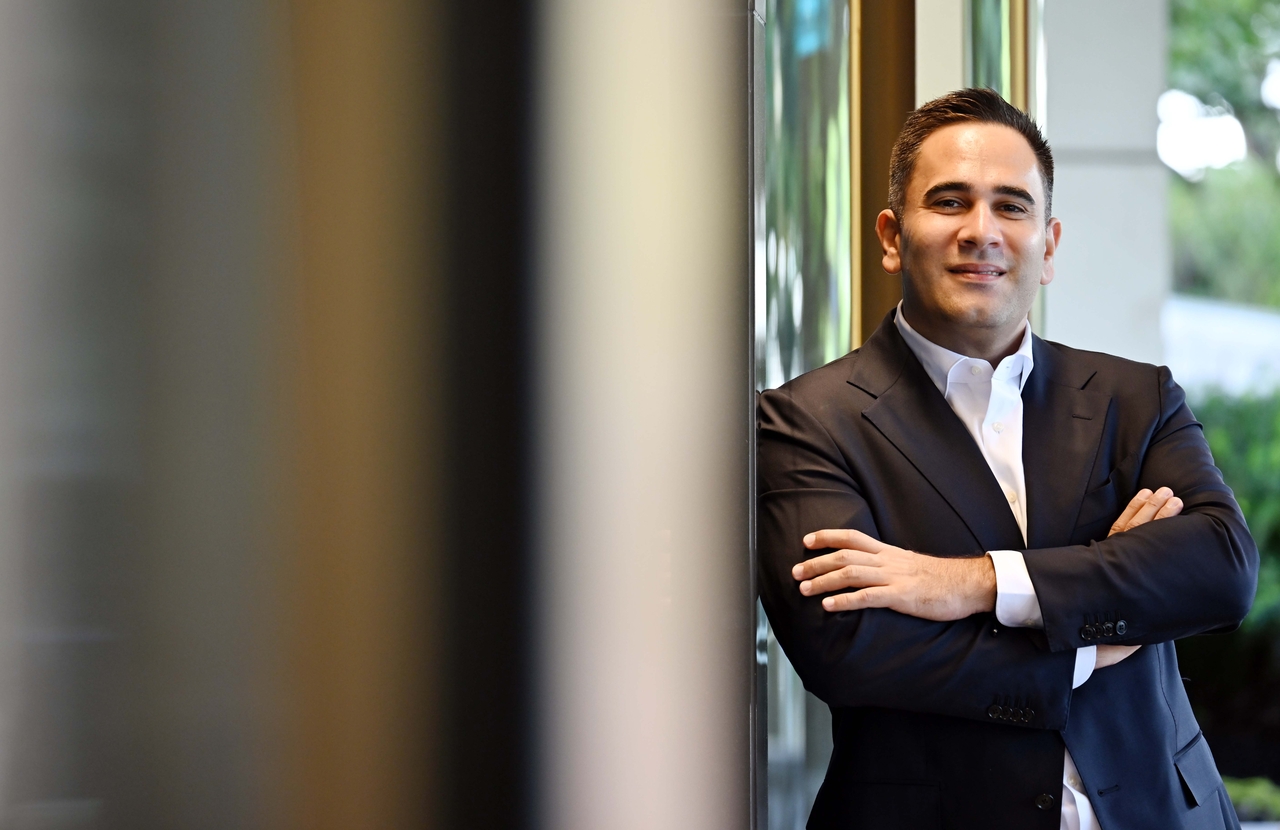
This is the story of Siori (@c.ori.money on Instagram), a real estate influencer who works in finance and is in her 20s. Banpo was never the original plan. When she bought her first home, the question she asked herself was not how much the price might rise, but whether she could hold on if it fell.
"My rule was that it had to be a place I could actually move into myself — even if I couldn't find a tenant or the price dropped," she said.
Between savings, investments and a mortgage, and with her husband receiving 150 million won in parental support, that was the sum total of what the two had to work with. So how did they get from those first purchases all the way to Banpo?
'Save up, then buy a home' — first purchase came two years after joining the workforce
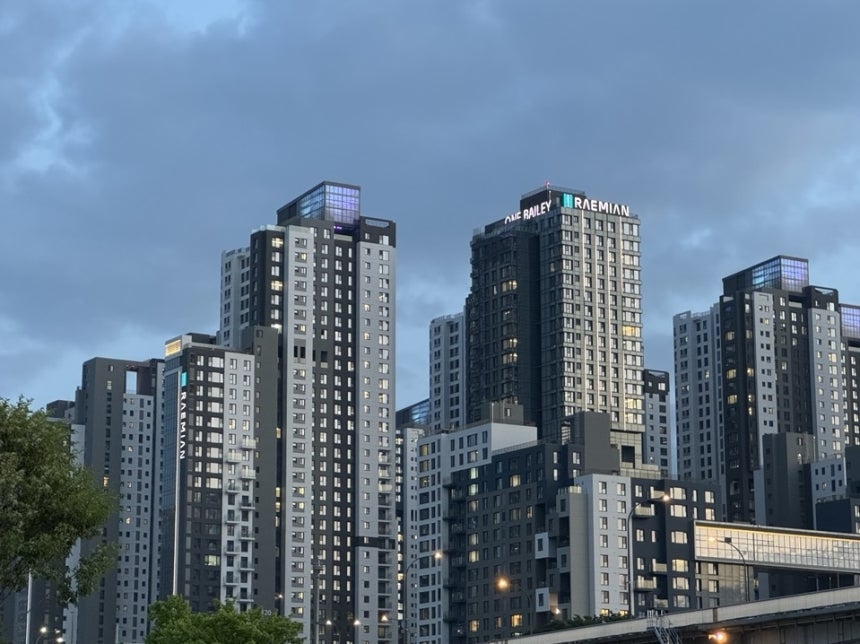
Siori bought her first home in the summer of 2024 — an older apartment of about 83 square meters in Suji-gu, Yongin, for around 600 million won. Including acquisition tax and basic renovation costs, she put in roughly 150 million won of her own money and financed the rest with a 40-year mortgage at an interest rate in the 3 percent range. The initial mortgage alone came to about 550 million won.
In effect, she poured nearly all of her savings into a single property. Siori described the move as "going all-in."
Around the same time, her then-fiancé bought an older apartment in Jeongja-dong, Bundang-gu, Seongnam, in the 900 million won range. Both properties were outside Seoul. Yet roughly two years after those purchases, the couple decided to sell both and move on. Their next destination was Seoul — specifically Banpo, one of the city's most expensive neighborhoods.
Siori had not always been interested in real estate. The turning point was her job. After joining a financial firm, she found herself naturally talking about money with colleagues. She heard the same advice repeatedly from team leaders in their 30s.
"My sunbae at work kept saying: don't waste your money — save hard, invest, and buy a home. You need to own at least one place," she said. "Even during new-employee training, we were exposed to topics like finance, economics and housing prices, so the idea that I had to buy a home someday just settled in naturally."
For her, buying a home was less a distant aspiration than an assignment to be completed. She wanted to check off one of life's major milestones — a wedding fund, retirement savings, a home — and get it done.
"I have a very impatient personality," she said. "When I set a goal, I need to act on it quickly or I can't relax. I think of life a bit like a quest. If I was going to buy a home someday anyway, I just wanted to do it fast."
So she set a target: save 100 million won first. She began building that sum through savings and investments after starting work, and reached her goal in about two years.
The real estate market in 2024 also shaped her decision. Prices in the areas she was watching had pulled back considerably from their previous peaks. She recalled that quite a few complexes had fallen 20 to 30 percent from their highs. The fear that prices could fall further was real. But her thinking was straightforward.
"Even if I'm buying as an investment, I have to be able to live there myself in the worst case. My rule was that it had to be a place I could move into — even if I couldn't find a tenant or the price fell."
Even on the day she signed the contract, she did not hesitate for long. She told her family she was "going to check out a real estate office" and came home having already wired the deposit. Her parents were startled by the sudden news, but her mind was made up. Even in the worst scenario — falling prices and no tenant — she had calculated that she could move in herself and pay down the mortgage.
Suji over Gwanak-gu: 'A good area outside Seoul beats a weak spot inside it'
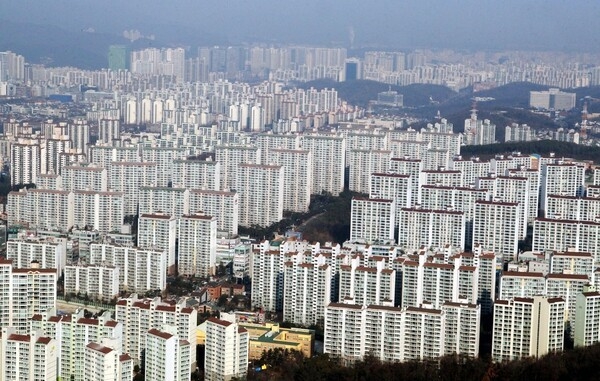
Siori never insisted on Seoul when she began her search. Her thinking was clear: given the same budget, she preferred southern Gyeonggi Province — an area she knew well and where residential demand was solid — over less sought-after parts of Seoul.
She had moved to southern Gyeonggi Province as a student and spent most of her life in Bundang and Suji, learning firsthand which neighborhoods were popular, where the good schools were and where commercial districts had taken root. Her first home search stayed within the Suji-Bundang corridor rather than venturing into other parts of Seoul.
"When people in their 20s and 30s first think about buying a home, they usually look near their workplace first, then near their family home or somewhere they've lived," she said. "For me, that was Bundang and Suji."
What she weighted most heavily were school districts and jeonse and monthly rent demand. Even when buying as an investment, she believed there had to be steady end-user demand to fall back on if prices softened. Suji, with its strong school district and easy access to Gangnam, could hold up relatively well even in a weak market, she reasoned.
Above all, it was a place she knew inside out.
"I think you should never invest carelessly in an area you don't know. Cross one alley and the whole feel and desirability can change — and that's something you simply can't pick up from a map or a real estate app."
When she did look at unfamiliar areas, she tracked down acquaintances who lived there and asked them directly. She even approached junior colleagues she was not particularly close with, asking about the neighborhood atmosphere, the commercial scene and which complexes people actually preferred. "In the end, picking the right complex within an area matters just as much as the area's name," she said.
The home she settled on was an older apartment of about 83 square meters near Sujigucheong Station — a transit-oriented area with a solid school district and rental demand, and a place she could move into herself if things went wrong.
Interestingly, her then-fiancé had been looking at Seoul first. On the recommendation of a colleague, he had considered apartments in Gangdong-gu and Gwanak-gu, but Siori pushed back firmly. Gangdong was too far from where they lived and the commute was inconvenient, she argued, while Gwanak-gu — given its school district and living environment — did not offer enough reason to choose it over southern Gyeonggi Province.
Instead, she steered him toward Geumho-dong in Seongdong-gu, Seoul, or Bundang. He ultimately chose Jeongja-dong in Bundang. The fact that both ended up buying in Suji and Bundang at the same time reflected a shared conviction: rather than chasing a Seoul address at any cost, they would prioritize a genuinely livable area with strong underlying demand.
150 million won in cash, 550 million won in debt: 'We went completely all-in'
When she began her search, she had saved about 100 million won. She added performance bonuses and further savings before the final payment, growing her available funds. Including acquisition tax and basic renovation costs to prepare the unit for tenants, the equity she put into her first home came to roughly 150 million won.
The rest was borrowed. She secured a 40-year mortgage at an interest rate in the 3 percent range, with an initial loan of about 550 million won.
"At the time, it really was going completely all-in," Siori recalled. "After buying the place, I had almost no cash left."
She chose to rent the unit out rather than live in it. After basic renovations, she brought in a tenant on a deposit of 50 million won and monthly rent of 1.45 million won. She remained an investor while keeping the option to move in herself if market conditions deteriorated.
Even with her first purchase, she said she never focused solely on returns. Her first questions were: "What do I do if I can't find a tenant?" and "Can I hold on if prices fall further?"
Future husband buys in Jeongja-dong for 900 million won — each with one property before the wedding
Her then-fiancé also bought around the same time — their purchases were only a month or two apart.
In fact, he had been the one urging her to buy a home even before she started looking at real estate.
The paths they took to build their seed money, however, were different. Siori began saving in earnest after landing her job, while her husband had been setting money aside since his early 20s, even while working part-time. He had also invested prize money and spare cash in shares during his university years, building up a nest egg relatively early.
After moving to Seoul, he ran into an unexpected setback. While renting a studio apartment, he fell victim to jeonse fraud. His father subsequently gave him 150 million won as a marriage gift.
"Some people assume that because we bought homes, we must have received large sums from both sets of parents," Siori said. "But the only support my husband received was the 150 million won marriage gift from his father after the jeonse fraud."
Her husband chose an older apartment near a transit-oriented area in Jeongja-dong, Bundang.
The sale price was in the 900 million won range, and the unit came with an existing jeonse deposit of about 400 million won. He used the 150 million won from his father along with his own savings to complete the purchase. He initially took out no mortgage because a tenant was already in place, but after the tenant left he took out a mortgage of about 350 million won and moved in himself.
The two had opposite personalities. Siori was comfortable using leverage aggressively; her husband found paying interest stressful. "He initially wanted to buy something cheaper," she said. "He hated the idea of paying a lot in mortgage interest, but I kept encouraging him to go for a slightly better place."
Two years later, the numbers told the story. The Jeongja-dong apartment bought in the 900 million won range sold recently for about 1.7 billion won. The Suji apartment Siori had purchased also sold for around 1.2 billion won.
Even so, Siori stops short of calling her approach the right answer just because the first purchases worked out. The principle she returned to repeatedly was buying a home you can hold on to.
Two years on, the couple began unwinding both properties.
They then toured Seongsu-dong, Oksu, Jamsil, Gaepo, Daechi and Cheongdam in search of their next home. They had initially considered properties in the 2 billion won range, but with each visit their budget climbed — to 3 billion won, then 4 billion won. They ultimately landed in Banpo. Along the way, however, Siori walked away from a deal on Trimaje in Seongsu-dong just before signing. Walking away cost her 120 million won in forfeited deposits.
The reason, as with her first purchase, came down to one thing: she decided a better opportunity had come along.
The next installment follows Siori and her husband as they sell their Suji and Bundang homes and make their move into Seoul in earnest — including why they walked away from a deal on Trimaje in Seongsu-dong, forfeiting 120 million won, and turned their sights back toward Gangnam.
quq@heraldcorp.com