Global travel platforms name Busan a top destination for 2027
City draws visitors with coastline, food and urban culture
Foreign arrivals top 3.43 million in first eight months
Long-haul tourists from the Americas and Europe surge
City shifts focus from raw growth to quality tourism

Busan is cementing its status as an international tourism destination, earning recognition from global travel platforms and drawing a growing stream of foreign visitors. As the city's worldwide profile rises, the range of entry points for international travelers is expanding — though keeping pace with surging demand at Gimhae Airport has emerged as a pressing challenge.
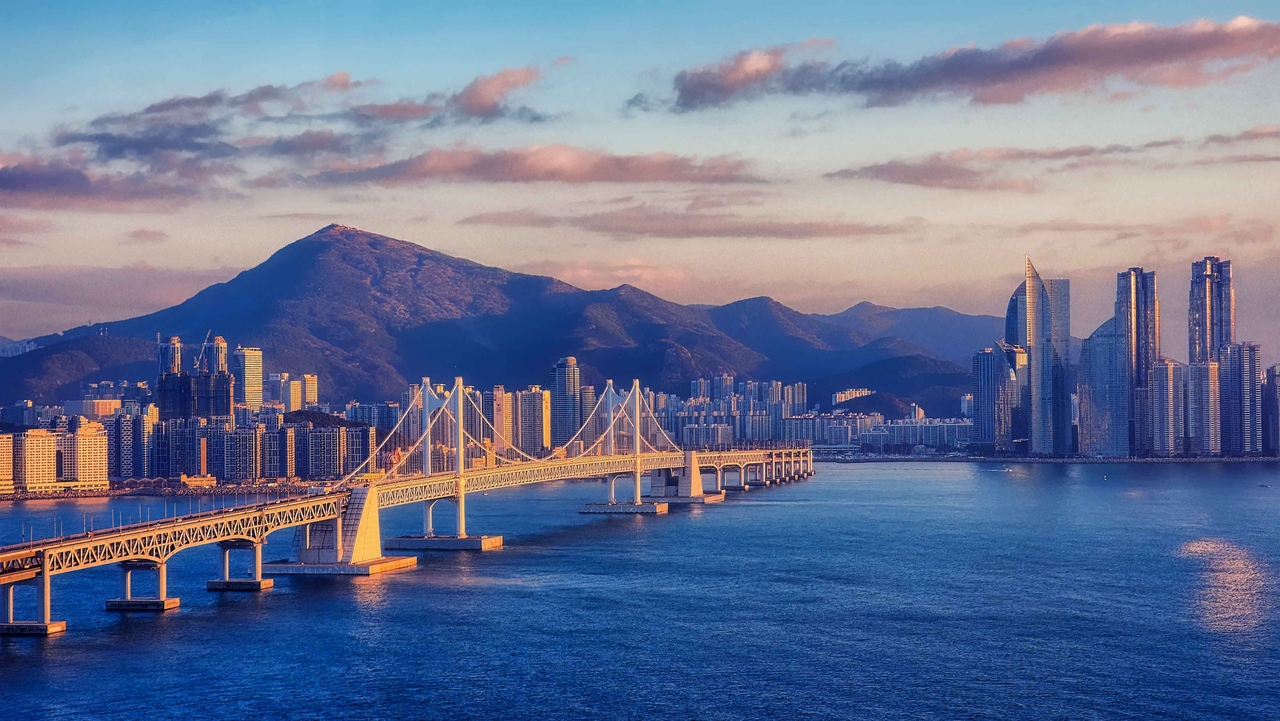
CNN, in an article published Thursday (local time), described Busan as "Asia's next great coastal city," noting that it has evolved from a stopover destination into a place worth visiting in its own right. The outlet highlighted the city's beaches, seafood and relaxed lifestyle as qualities that set it apart from Seoul, and pointed to the North Port redevelopment project and the Busan Opera House as developments poised to reshape the city's global standing.
Busan also earned a spot on Hotels.com's recently released Expedia Group annual travel trends report, "Unpack '27," as the only Korean destination among the 10 picks for "2027 Destination of the Year."
According to the report, flight and accommodation searches for Busan rose 50 percent year-on-year — the fifth-highest increase among the 10 selected destinations. The figures compare search volumes from Sept. 1, 2025, through July 27, 2026, against the same period a year earlier.
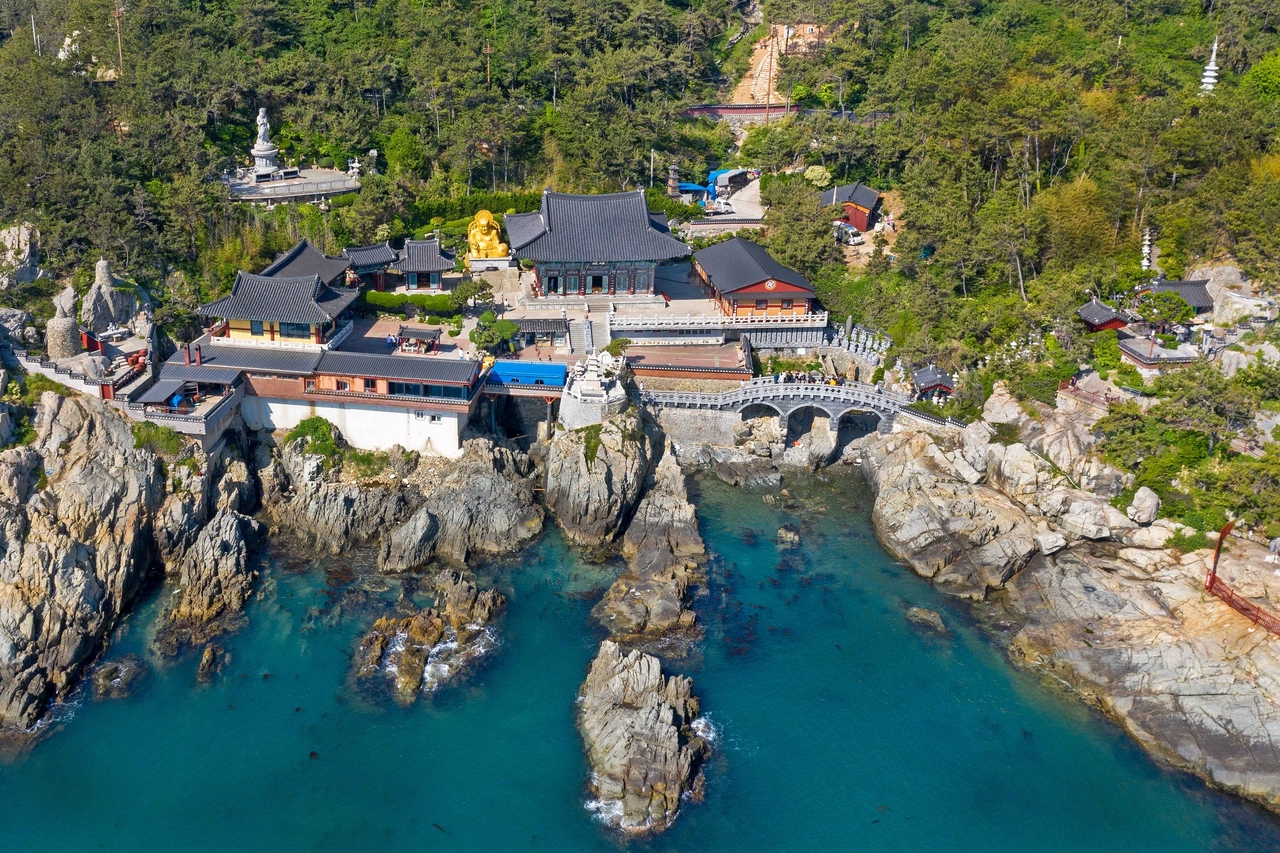
Expedia cited Busan's coastal energy, traditional markets and diverse food scene as key draws, highlighting Haedong Yonggungsa Temple, Haeundae Beach, Jagalchi Market and Gamcheon Culture Village as must-see attractions.
Lavinia Rajaram, head of public relations for Asia at Expedia Group, said that while foreign tourists to Korea once concentrated almost entirely on Seoul, demand has been spreading to Busan and other cities. "Busan welcomed many international visitors last year and this year, and that interest will continue into next year," she said.
Nature and food give way to urban culture as Busan draws global attention
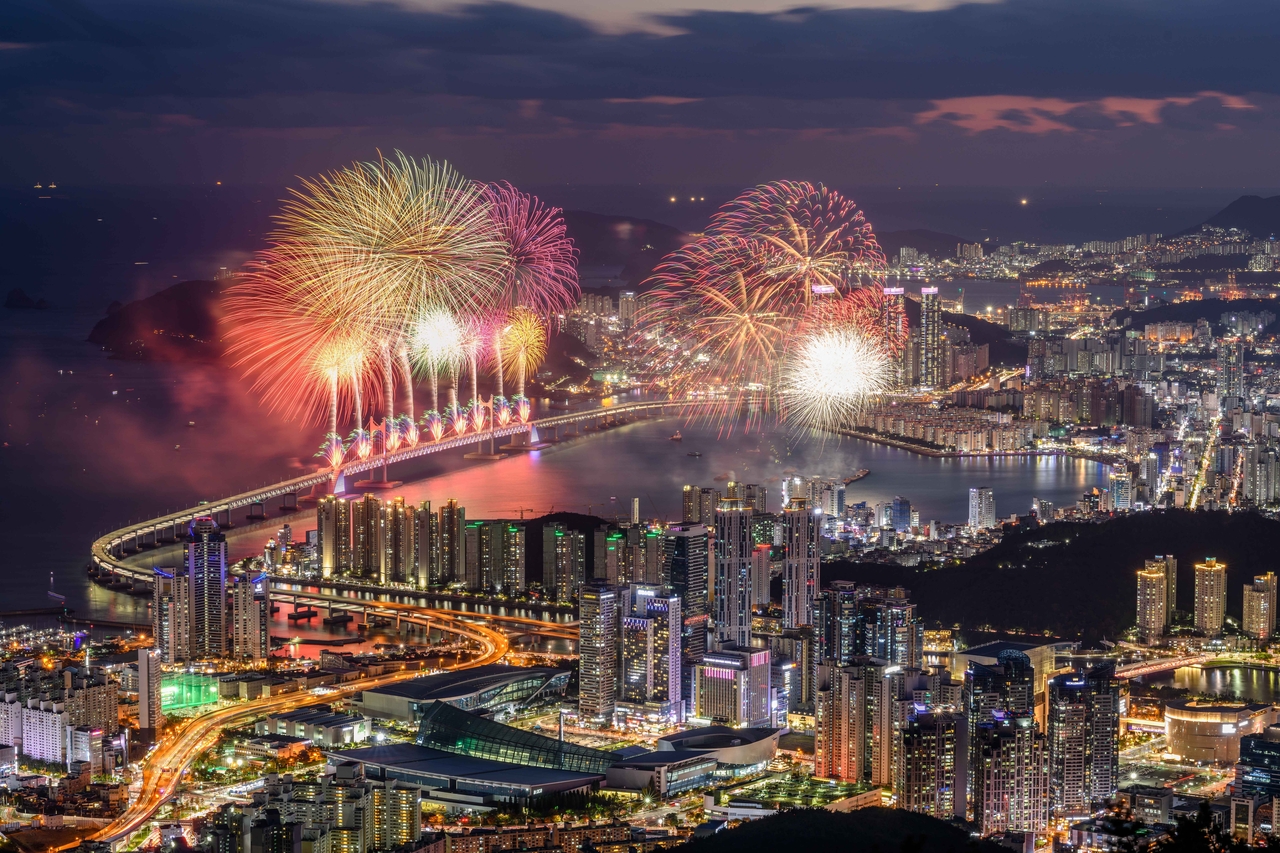
International travel media have long taken notice of Busan. The New York Times included the city in its "52 Places to Go in 2017," spotlighting emerging cultural landmarks such as Jeonpo Cafe Street and cafes that reimagine older spaces. Lonely Planet named Busan Asia's top travel destination in 2018, praising its blend of mountain temples, hot springs and fresh seafood at its fish markets.
National Geographic Traveller's UK edition included Busan in its "35 Best Places to Go in 2023" under the culture category, drawing attention to the Busan International Film Festival, its coffee scene and craft breweries. Southeast Asian media have also repeatedly featured the city, going beyond its beaches to cover the film festival, markets and back-alley neighborhoods.
The numbers reflect that attention. Foreign tourist arrivals in Busan reached 3.43 million in the first eight months of this year, a 45.9 percent increase from the same period last year, according to the city government — more than double the national growth rate of 21.6 percent over the same period. The milestone of 3 million cumulative visitors was reached in August this year, roughly two months earlier than in October last year.
Last year, Busan set an all-time record with about 3.64 million foreign visitors for the full year. With arrivals through August already approaching that figure, the city is closing in on its annual target of 4 million.
Growth is also coming from long-haul markets. American visitors totaled 289,382 in the first eight months of the year, up 76.1 percent from the same period last year. Arrivals from Australia rose 43.5 percent to 48,455, while those from France surged 111.3 percent to 38,941.
Gimhae Airport strains under international passenger surge; quality growth urged
Passenger traffic at Gimhae Airport, Busan's main gateway, is also climbing. Korea Airports Corporation data show that total domestic and international passengers at the airport reached 13.81 million in the first nine months of this year, up 12.6 percent from 12.27 million in the same period last year.
International travel is driving the increase. International passengers totaled 9.24 million from January through September, up 22.7 percent from 7.53 million a year earlier. Domestic passengers, by contrast, fell 3.6 percent over the same period, from 4.74 million to 4.57 million. As a result, international passengers now account for 66.9 percent of all traffic at Gimhae Airport.
Korea Airports Corporation projects that international passenger numbers at Gimhae will exceed 12 million for the full year, building on last year's figure of about 10.5 million, which itself marked the first time annual international traffic surpassed 10 million.
The airport's capacity is struggling to keep up. The international terminal at Gimhae is rated for an optimal annual capacity of 8.3 million passengers — a figure the first nine months of this year have already exceeded by about 11.4 percent. That capacity was itself an expansion: a five-year construction project completed in April 2024 raised the terminal's limit from 6.3 million. Calls are growing for the airport to improve operational efficiency before international flights transfer to the new Gadeokdo Airport, which is targeted to open in 2035.
In response, the Busan city government says it is shifting its policy focus from the sheer volume of tourist arrivals toward qualitative indicators such as length of stay, local spending and return visit rates — aiming to build a foundation that prevents overtourism and ensures the city's growth benefits local communities.
Busan Mayor Jeon Jae-soo said the strong growth from long-haul markets such as the United States, Australia and France signals that the city is transitioning from a destination dominated by short-haul group tours to one that attracts independent travelers from around the world. "We will pursue qualitative growth so that visitors who come once stay longer, spend more and come back again," he said.
terry@heraldcorp.com