Oh issues directive at Monday senior staff meeting
Drones to be deployed for surveillance in hard-to-reach areas
Control zone to extend beyond infected trees
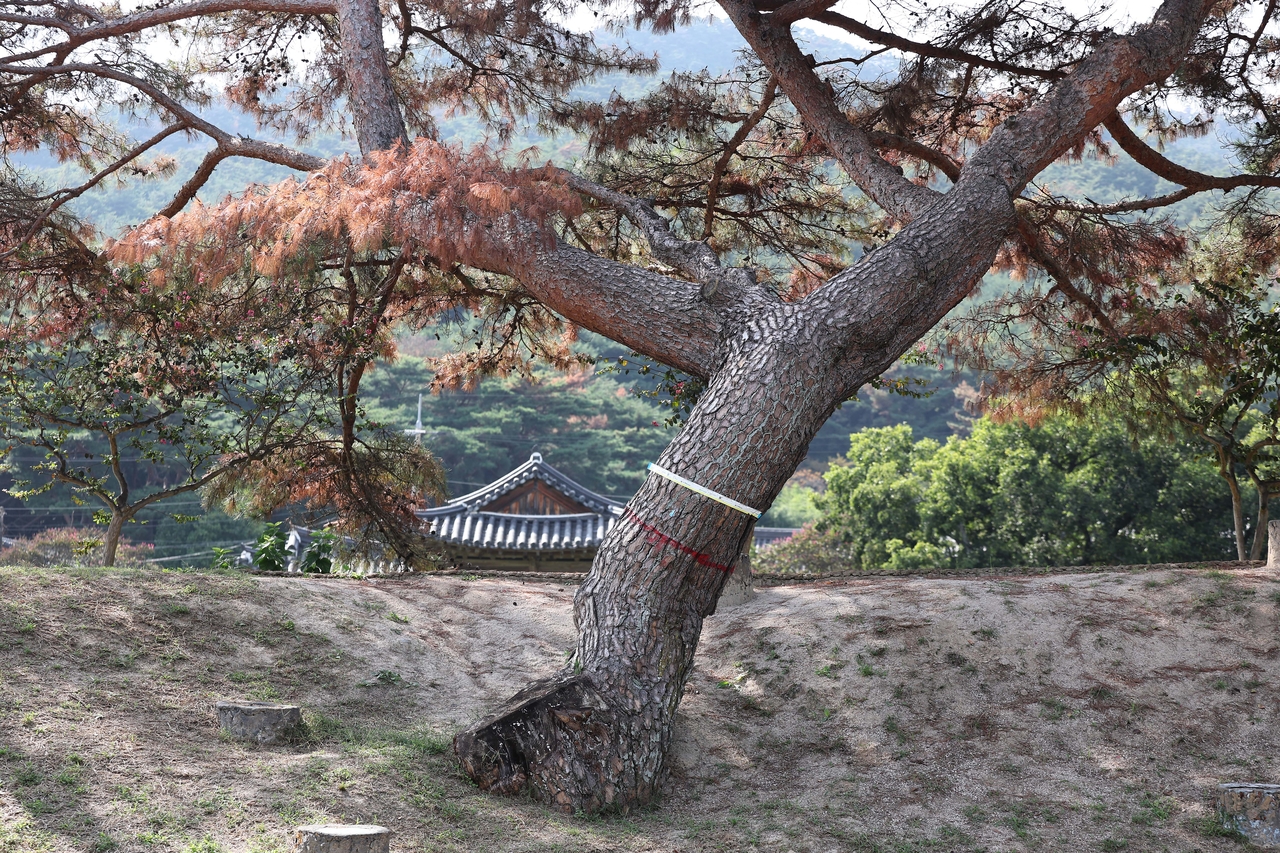
Seoul Mayor Oh Se-hoon on Monday directed city officials to spare no effort in eradicating pine wilt disease, vowing to leave not a single infected tree standing in the capital, the Seoul Metropolitan Government said.
"Pine wilt disease is nearly impossible to reverse once it spreads, so I would rather be criticized for overreacting than let it get out of hand — respond thoroughly," Oh said at a senior staff meeting. He added that control efforts must go beyond removing infected trees to cover surrounding areas, cutting off any possibility of further spread at the source.
Oh called for heightened vigilance at major green spaces frequented by residents, such as Namsan and Seoul Forest, and ordered officials to deploy drones and other advanced equipment to monitor areas difficult to access on foot, leaving no blind spots. "Identify suspected infected trees quickly and take preemptive action," he said.
Pine wilt disease is spread primarily by the pine sawyer beetle, which targets pine trees, and the white-spotted sawyer, which targets Korean white pine. The nematode — a thread-like parasite roughly 1 millimeter in length — lives inside the carrier beetle and enters a tree through wounds made when the beetle feeds on new shoots. In Seoul, 74 trees have been confirmed infected since the first case this year was detected in Gangdong-gu in July.
The city is conducting precision drone surveillance within a 5-kilometer radius of newly identified outbreak sites and inspecting major parks, forests, hiking trails and street trees at least once a month. It also plans to shorten the preventive injection cycle for pine trees on Namsan from every three years to every two years, and to apply the two-year cycle to Seoul Forest and other major parks as well. In addition, the city is sharing outbreak data and diagnostic and control information with the Korea Forest Service and Gyeonggi Province, and will carry out intensive control measures — including removal of suspected infected trees and preventive injections — from November through March next year.
"Thoroughly inspect and manage the situation to ensure that strong prevention and control measures are implemented without gaps on the ground, and respond strictly so that negligence does not lead to further spread," Oh said.
ikson@heraldcorp.com