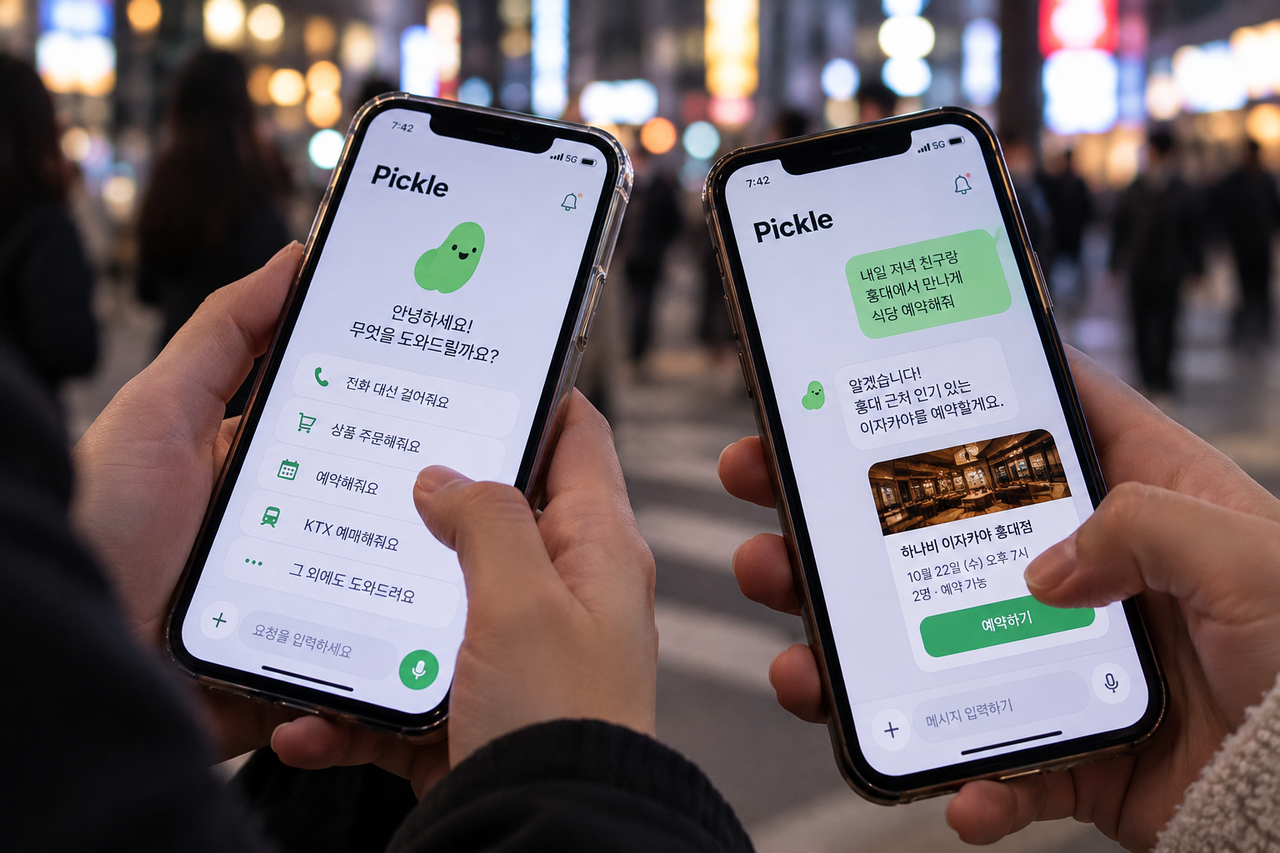
Seoul Metropolitan Government holds briefing on 'Youth AI Growth Voucher' pilot program
Budget cut derailed this year's launch; city to refine and resubmit plan
Oh vows to support youth employment, entrepreneurship and independence through AI
The Seoul Metropolitan Government plans to revive its Youth AI Growth Voucher program by including it in next year's budget, after the initiative — one of Mayor Oh Se-hoon's flagship projects for his current term — was derailed this year when the full budget allocation was cut during a supplementary budget review.
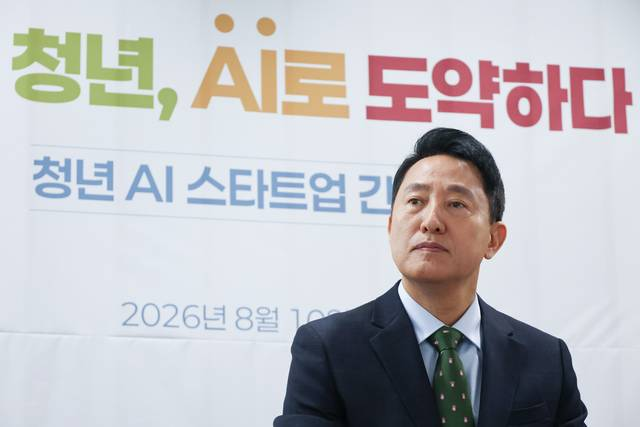
The city held a briefing Tuesday morning at City Hall to present the detailed support plan for the Youth AI Growth Voucher pilot program, also known as the "Youth AI Ladder." A city official said the budget for the program would be included in Seoul's 2027 budget proposal, set to be submitted to the Seoul Metropolitan Council by the end of this month, with the aim of relaunching the initiative next year.
About 100 people attended the briefing, including Mayor Oh, university students, job seekers, AI experts, and representatives from businesses and universities. Oh said the city would "expand access to AI tools and learning opportunities so young people can take on new possibilities," adding that the program would "help youth turn their ideas into tangible results and support them as those experiences lead to employment, entrepreneurship, independence and growth."
The Youth AI Growth Voucher is a key campaign pledge Oh made during the June 3 local elections. The program provides young people with free access to paid generative AI services offered by global companies. The city had allocated 5.62 billion won ($4.25 million) in its second supplementary budget this year to fund three months of subscriptions, with a planned launch in October. However, the Seoul Metropolitan Council, where the Democratic Party of Korea holds a majority, cut the entire allocation during budget deliberations, citing insufficient groundwork — including unclear eligibility criteria and a lack of justification for the budget figures. When the funds were cut, Oh expressed disappointment, saying, "What does it matter whether it's the ruling or opposition party when it comes to youth policy?" The budget figure to be included in the upcoming council submission has not yet been finalized. A city official said negotiations with companies were still ongoing, adding that the 5.6 billion won figure from the second supplementary budget had been based on prices proposed at a steep discount by companies that supported the program's goals, and that costs could rise.
The city refined the program in response to concerns raised by the council during the supplementary budget review. Under the updated plan, participants will choose tasks aligned with their interests and skill level and use AI to work through them independently, with the city aiming to have each participant complete at least one task per year. Academic and job-seeking tracks will cover areas such as organizing study materials and improving cover letters, while career and entrepreneurship tracks will address tasks like data analysis, workflow automation, and prototyping products and services. The city also plans to work with universities, businesses, small merchants and public institutions to develop tasks that reflect real-world demand. During the process, an "AI feedback agent" will guide participants on how to improve their work and recommend relevant online courses, helping them build problem-solving skills by revising and refining their output based on the feedback.
AI education will be offered at multiple levels, from beginner to advanced. All participants will have access to online courses and hands-on training programs. Offline sessions will cover prompt writing and answer verification for beginners, and data analysis and workflow automation for intermediate learners. Advanced programs — including mentoring by industry professionals and AI specialists, corporate collaboration projects, hackathons and AI agent competitions — will also be available based on participants' interests and abilities.
The city plans to explore tailored partnerships with universities, including practical projects and mentoring tied to coursework, extracurricular programs and club activities, adapted to each institution's circumstances.
The support framework was developed based on actual demand from young people. Two surveys conducted by the city between August and October drew 6,466 respondents in the first round and 7,749 in the second. Among youth respondents aged 19 to 39, 85.1 percent said they intended to participate in the program. In the second survey, 75.4 percent of young respondents who did not subscribe to a paid AI service cited subscription costs as the reason.
To narrow the AI access gap driven by economic and social circumstances, the city will prioritize recruitment and selection of disadvantaged youth. Any remaining vouchers will be offered to the general youth population. Priority groups include recipients of basic livelihood benefits, near-poverty households, single-parent families, youth with disabilities, veterans' benefit recipients, youth aging out of foster care, youth caregivers, socially isolated or reclusive youth, youth outside the home, and young veterans with service-related injuries.
Working with dedicated support agencies, the city will help participants get started — including applying for the program and activating their AI accounts — and will run a tailored "AI companion education" program teaching participants how to use AI for daily life and independence, such as managing care schedules and preparing job application documents. All participants must complete an online ethics course before using the AI service for the first time and will undergo mandatory quarterly training thereafter.
cook@heraldcorp.com