Mecca Pact members meet in Tehran
Middle East issues including Strait of Hormuz blockade discussed
Pakistan presents proposal approved by Donald Trump
Iranian president says country does not seek nuclear weapons
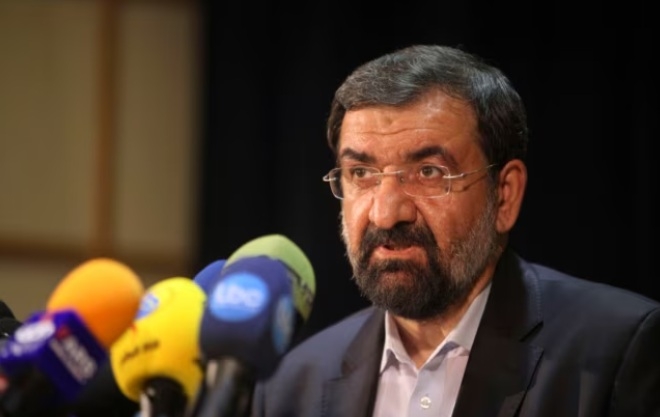
Saudi Arabia, Pakistan and Turkey — the three member states of the Mecca Joint Defense Pact — held their first high-level talks with Iran and agreed to continue cooperating on regional peace and security. The meeting was an effort to seek diplomatic solutions to pressing Middle East issues, including a blockade of the Strait of Hormuz and Houthi rebel attacks on Saudi Arabia, amid the ongoing war between the United States and Iran.
Delegations from the three Mecca Pact member states and Iran convened in Tehran on Monday for the high-level talks and issued a joint statement, according to Iran's state-run IRNA news agency.
In the statement, the four countries said participants "agreed to continue dialogue to strengthen cooperation among the four countries, including on regional peace and security." However, no specific agreements or dates for follow-up talks were disclosed.
The talks were attended by Saudi Defense Minister Khalid bin Salman, Pakistani Army Chief of Staff and Commander-in-Chief Gen. Asim Munir, and Turkish National Intelligence Organization Director Ibrahim Kalin. On the Iranian side, Mohsen Rezaei, secretary-general of the Supreme National Security Council, chaired the meeting.
Speaking on Iranian state television after the talks, Rezaei said participants "agreed that regional security must be guaranteed by the countries of the region themselves" and called for blocking "all forms of external interference in this region."
He said he felt "a new atmosphere is forming in the region" and described the talks as having proceeded in a positive mood. However, the call to exclude external interference was not included in the joint statement, leaving it unclear how far the participating countries actually aligned on that point.
The talks also covered the possibility of negotiations between the United States and Iran, Houthi rebel attacks on Saudi Arabia, and the issue of the Strait of Hormuz blockade, according to sources familiar with the meeting.
A senior Pakistani official told Reuters that Gen. Munir presented Iran with a proposal for resolving the conflict with the approval of US President Donald Trump. If Iran accepts the proposal, the Mecca Pact member states and Qatar could serve as guarantors of the agreement's implementation, the official said.
The meeting also drew attention as the first high-level contact between Saudi Arabia and Iran since military clashes between Saudi Arabia and Iran-backed Houthi rebels in Yemen intensified in July. Saudi Arabia's Foreign Ministry said the purpose of the talks was "to reduce tensions among the parties to the current crisis."
Military tensions, however, persist. The Saudi-led coalition announced Tuesday that it had intercepted three missiles fired by Houthi rebels toward eastern Saudi Arabia.
The delegations from the three Mecca Pact countries also met separately with Iranian President Masoud Pezeshkian. Pezeshkian said Iran "does not seek to possess nuclear weapons" and would "act within the framework of international law and agreements as a party to the Nuclear Non-Proliferation Treaty." He also reaffirmed Iran's longstanding position that it has the right to pursue nuclear activities for peaceful purposes.
The Mecca Joint Defense Pact, signed Aug. 7, is a collective defense arrangement under which an armed attack on any one member state is considered an attack on all three. The talks are significant in that they suggest the Mecca Pact members may be positioning themselves as diplomatic mediators in Middle East conflicts, moving beyond military confrontation with Iran.
sjy@heraldcorp.com