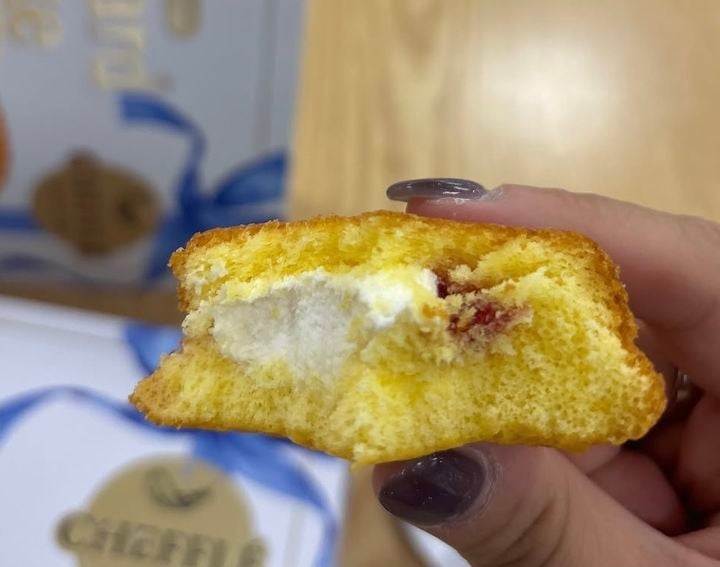
Consumer complaints are pouring in over Lotte Wellfood's newly launched Premium Custard, with buyers saying the actual product looks nothing like the image printed on the packaging.
On Tuesday, posts expressing dissatisfaction spread across social media platforms including Threads, with users sharing photos of the product sliced in half. The images showed almost no raspberry jam inside — a stark contrast to the promotional imagery.
"I'm calling out the Custard Cheese & Raspberry for false advertising," one user wrote. "I finished the whole thing and the raspberry never showed up." Commenters piled on: "No wonder I could see the cream but not the syrup," "I got fooled too," and "Isn't this false advertising at this point?"
In response, Lotte Wellfood said it was injecting the correct amount of filling but that the raspberry syrup had shifted to one side because it is injected inside the cream. The company said it was working to find a solution.
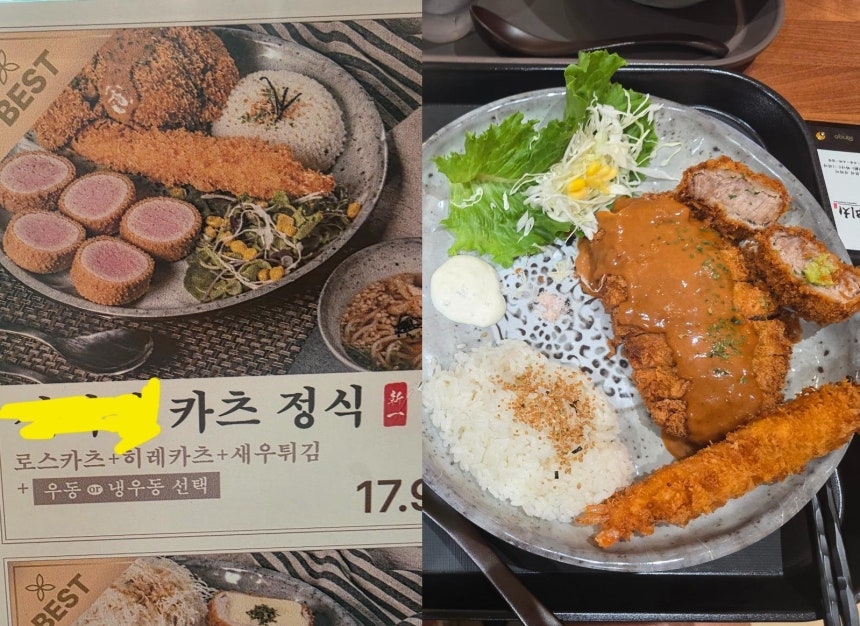
The episode highlights a persistent problem in South Korea's food industry. While the gap between advertising images and actual products has narrowed over the years, disappointment remains common — and not just with packaged goods. Anyone who has ordered at a restaurant only to find the dish looks nothing like the menu photo will recognize the frustration.
Japan, by contrast, is well known for the close match between promotional images and the real product. Some Japanese confectionery companies have gone so far as to print packaging images at the exact same size as the actual item, giving consumers a precise sense of what they are buying.
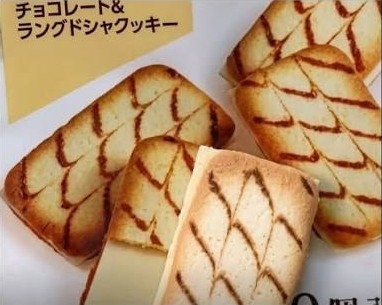
Some have argued that the disparity exists because Japan has laws penalizing misleading food imagery while South Korea does not — but that is not accurate.
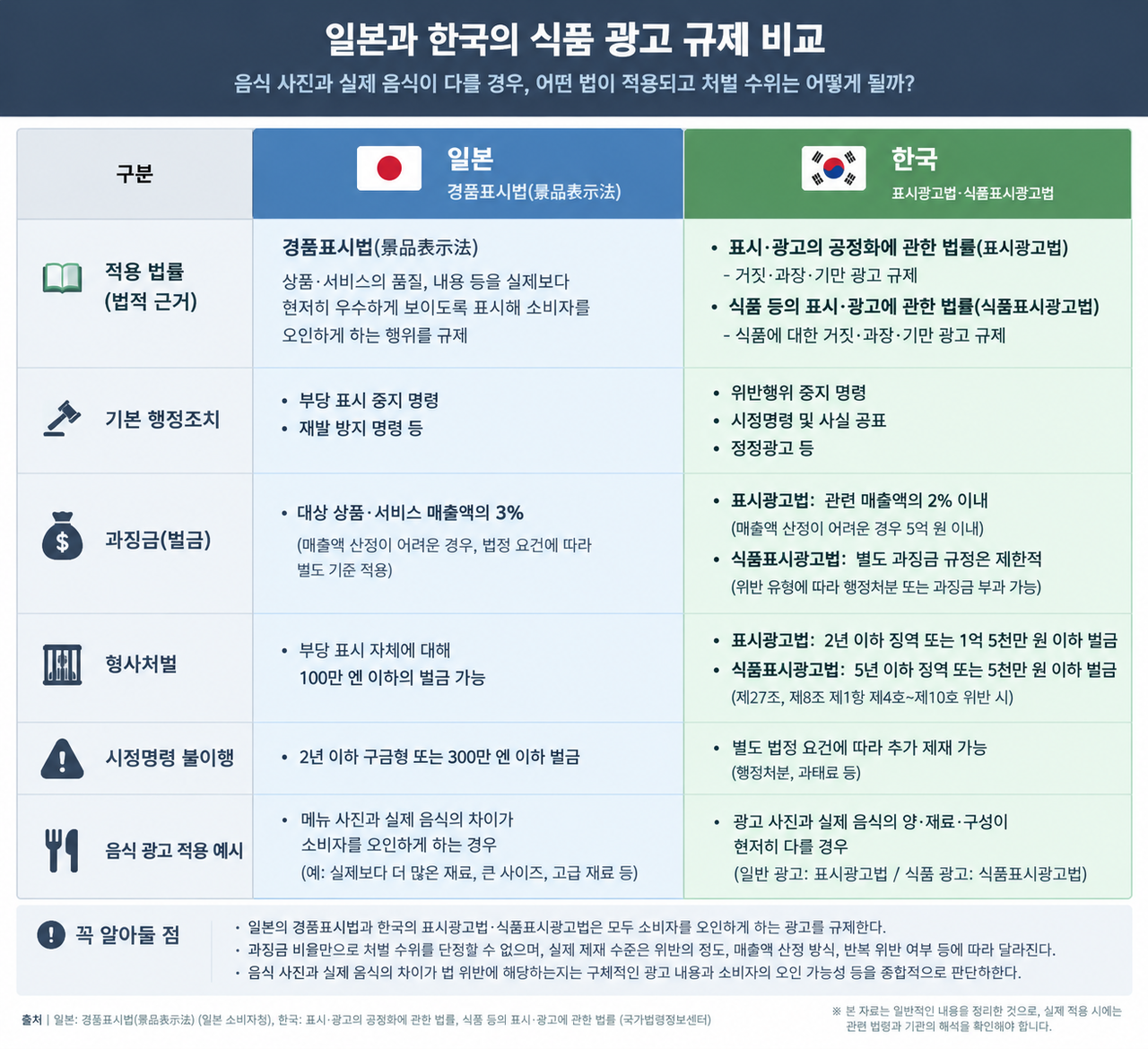
Japan's Act against Unjustifiable Premiums and Misleading Representations prohibits advertising images that differ significantly from the actual product or service. South Korea has comparable rules. The Act on Fair Labeling and Advertising bans false, exaggerated or deceptive labeling and advertising, and the Act on Labeling and Advertising of Food Products similarly prohibits false, exaggerated or misleading food advertising.
Under Japan's premiums and representations law, companies can be fined up to 3 percent of sales revenue from the products in question. South Korea's labeling and advertising law allows fines of up to 2 percent of related revenue, and the country's food labeling and advertising law also carries separate criminal penalties.
If both countries have similar rules on the books, why does enforcement look so different in practice? Experts say the gap lies not in regulation but in how companies approach their responsibility to consumers.
Lee Eun-ha, a professor in the Department of Consumer Science at Inha University, said penalties are applied inconsistently because violations require subjective judgment and it is difficult to monitor every product on the market. "Regulations exist, but actual punishment rarely follows," she said. "What matters first is that companies and producers take responsibility for what they make — and that is not happening enough."
Lee warned that such problems ultimately damage a company's reputation and are bad for business in the long run. She also called on the government to do more to encourage consumers to file complaints when they encounter misleading products. "When these issues arise, the government needs to actively encourage consumers to report them," she said.
123@heraldcorp.com