Reconstruction market sensitive to policy shifts; high-end segment holds firm on scarcity
'Even record prices in luxury market reflect seller concessions,' broker says
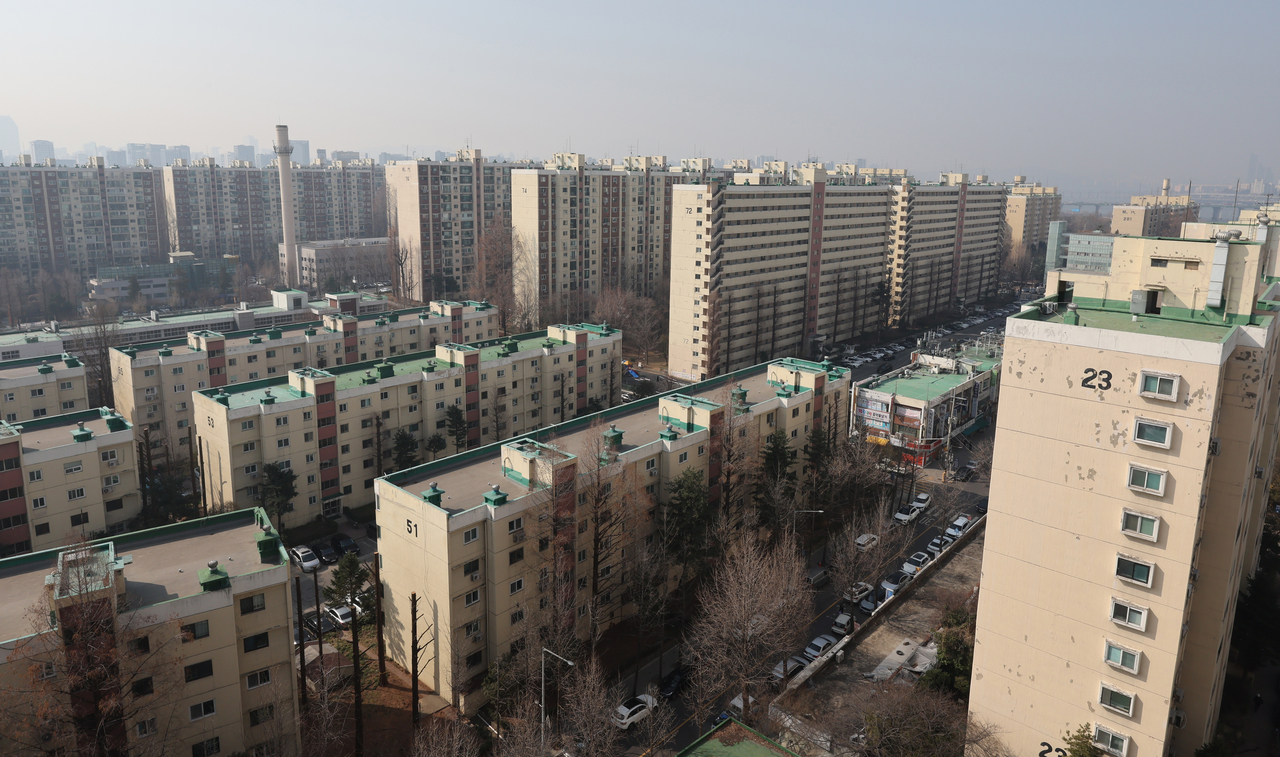
Contrasting trends have emerged in Seoul's housing market this month. Major reconstruction complexes in Apgujeong and other Gangnam-area neighborhoods are recording transactions tens of billions of won below their all-time highs, while luxury properties such as Nineone Hannam are setting new price records. Analysts say reconstruction-zone apartments remain highly sensitive to government policy — including second-half tax reform — whereas the high-end housing segment is holding relatively firm, underpinned by the characteristics of its buyer base and the scarcity of available units.
According to the Ministry of Land, Infrastructure and Transport's actual transaction price disclosure system, a 111-square-meter unit at Shinhyundai apartment complex in Apgujeong Zone 2, Gangnam-gu, sold Sunday for 5.59 billion won ($4.23 million) on the sixth floor. That is 1.91 billion won below the complex's all-time high of 7.5 billion won — set in July last year on the 10th floor. Compared with the previous transaction of 6.65 billion won on the fourth floor on Aug. 23, the price fell 1.06 billion won in just two months.
The gap from peak prices was even wider for larger units in the same complex. A 183-square-meter unit changed hands Wednesday for 9.3 billion won on the fourth floor. That unit had previously sold for 12.8 billion won on the 12th floor in December last year, meaning the latest transaction came in 3.5 billion won below the record.
A similar pattern appeared at Guhyundai apartment complex in Apgujeong Zone 3. A 160-square-meter unit at Apgujeong Hyundai Apartments 1 and 2 sold Tuesday for 9 billion won on the 11th floor. That is 800 million won below the all-time high of 9.8 billion won recorded on the eighth floor on June 27 last year.
Eunma apartment complex in Daechi-dong, one of the area's most prominent reconstruction projects, also saw a string of transactions well below peak prices this month. A 76-square-meter unit sold Friday for 3.12 billion won on the ninth floor, down 680 million won from the record high of 3.8 billion won set in November last year. A 84-square-meter unit also sold Tuesday for 3.4 billion won on the third floor — 910 million won below the all-time high of 4.31 billion won recorded in October last year.
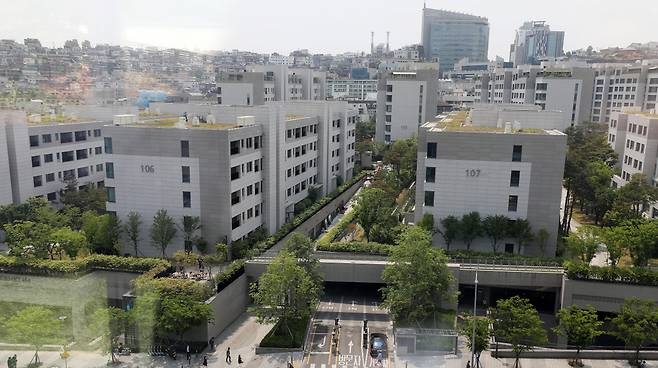
The high-end housing market, by contrast, is telling a different story. At Nineone Hannam in Hannam-dong, Yongsan-gu, new record transactions have emerged this month, reflecting continued price strength in the ultra-luxury segment.
A 206-square-meter unit at Nineone Hannam — one of the relatively more affordable floor plans in the complex — sold Friday for 14.3 billion won on the fifth floor, setting a new all-time high. That surpassed the previous record of 13 billion won by 1.3 billion won. A 273-square-meter duplex unit, prized for its rarity within the complex, also changed hands Wednesday for 26.2 billion won — just 100 million won below the record high of 26.3 billion won set in August, keeping prices firmly in the 26 billion won range.
The head of a licensed real estate agency in Cheongdam-dong, Gangnam-gu, specializing in luxury properties, said that even the record-setting transactions now appearing in the high-end market reflect a form of "adjusted pricing" driven by sellers' circumstances. "Asking prices already far exceed previous highs, but actual deals only happen when a seller who is strongly motivated to sell meets a buyer who is not particularly price-sensitive," the broker said. "Without that kind of seller concession, transactions simply would not happen in this market."
Kim Hyo-seon, a senior real estate specialist at KB Kookmin Bank, said the usual rules of the housing market do not apply to the luxury segment. "In the general housing market, transaction volume serves as a leading indicator of prices, but that formula does not hold in the high-end market," Kim said. "Gangnam reconstruction apartments have a strong character as investment products, so their prices fluctuate sharply in response to government policy. High-end homes, on the other hand, are more like luxury goods bought for owner-occupancy, so prices do not fall easily even when transactions are rare."
Kim added that the scarcity of available listings in the high-end segment, combined with buyers' willingness to pay regardless of price when a unit meets specific preferences — such as a particular view or architectural design — makes it easy for new records to emerge even with low transaction volumes.
quq@heraldcorp.com