Coway enters wearable walking-assist robot rental market
SK Intellix targets AI wellness segment with NAMUH X
Cuckoo diversifies into B2B serving and cooking robots
Companies leverage existing customer networks and service infrastructure
South Korea's rental industry, long built around household appliances such as water purifiers and air purifiers, is pushing into the robot market. Driven by advances in AI technology and the growing mainstream appeal of robotics, companies are looking to tap their existing customer bases and service infrastructure to secure new engines of growth.
Coway launches walking-assist robot rental, eyes 'filial gift' market
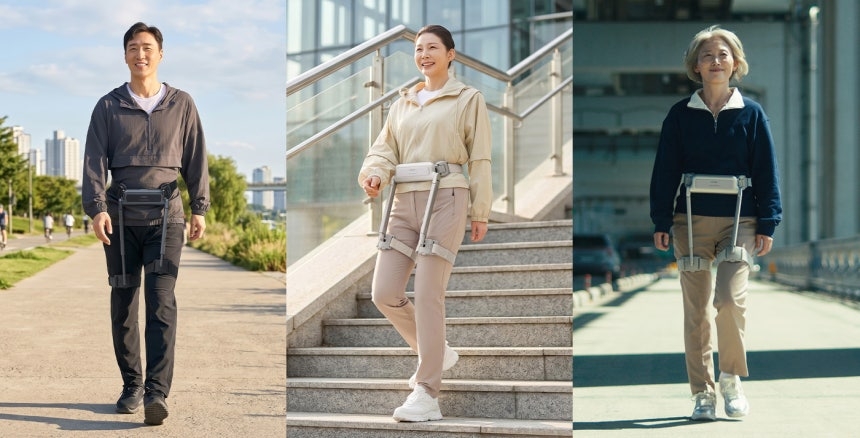
Coway entered the robot rental market earlier this month when it unveiled a wearable walking-assist robot, expanding its rental lineup beyond the water purifiers, air purifiers, bidets and mattresses that have long anchored its business.
Developed in partnership with global robotics firm WIRobotics, the wearable device assists users with movement during walking. The product targets elderly consumers and others who need support getting around.
Coway says it is the first company in the industry to offer a walking-assist wearable robot through a rental model. By making the product available on a subscription basis rather than requiring an outright purchase, the company aims to lower the financial barrier for consumers considering what is a relatively expensive category.
The company says consumer response since launch has been positive, with some customers who tried the device in stores going on to sign rental contracts. The product is also drawing attention as a gift for elderly parents.
"Interest from consumers has been high, as this is the industry's first walking-assist wearable robot offered through a rental model," a Coway official said. "Customers who were unfamiliar with wearable robots have been trying them on and walking around in stores, and they are responding positively after experiencing the walking-assist function and overall convenience firsthand."
SK Intellix, Cuckoo also move into robotics to diversify
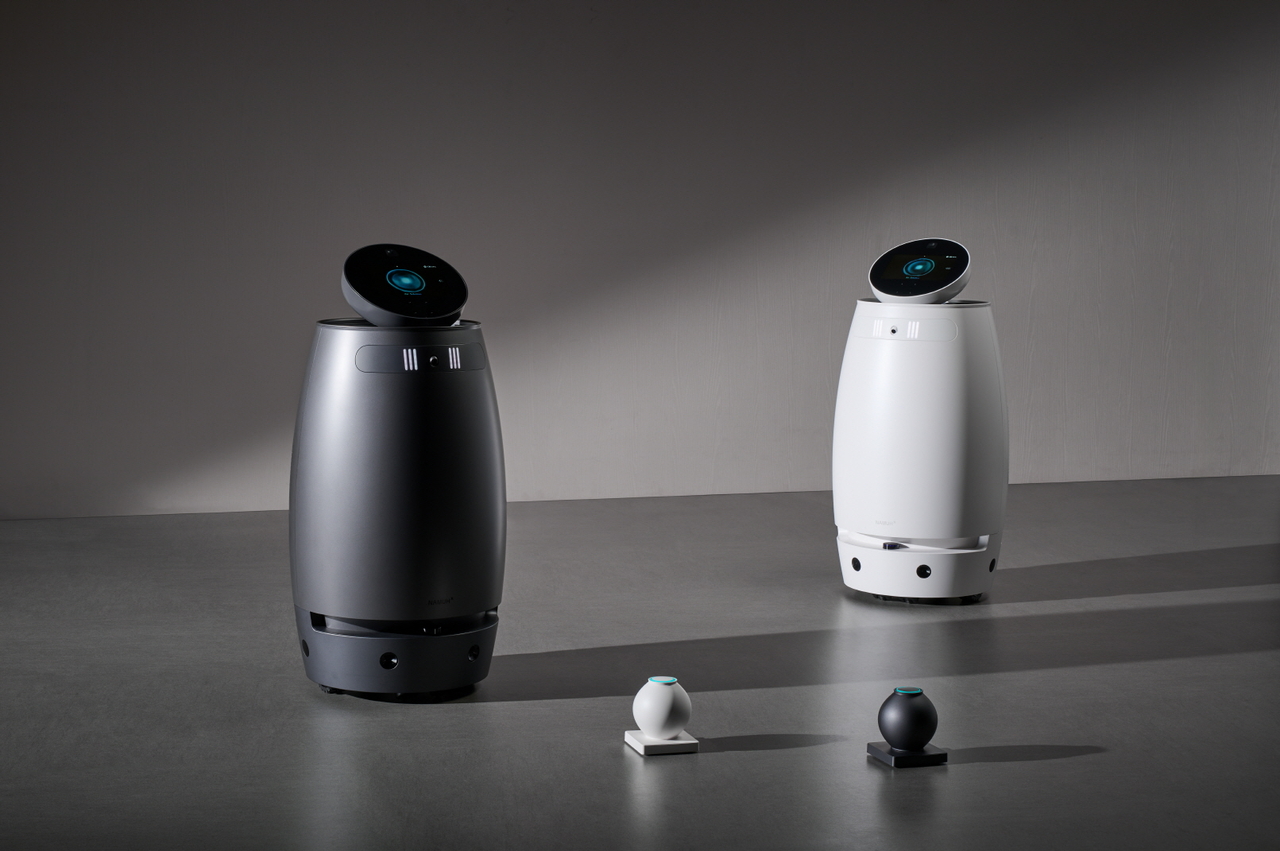
SK Intellix is also making a push into the robot market, leading with its AI wellness robot NAMUH X. The move is part of a broader strategy to diversify its business portfolio beyond the household appliances — water purifiers and air purifiers — that have traditionally defined the company, by integrating AI and robotics into its product lineup.
NAMUH X is a wellness robot that uses AI to provide autonomous navigation and indoor air quality management, among other functions. The company envisions developing it into a robot that goes beyond performing specific tasks to actively interacting with users and helping with daily life.
SK Intellix plans to connect NAMUH X with its existing home appliances to build an AI ecosystem within the home. Kim Eun-young, head of the SK Intellix Design Center, said in an earlier interview that the company is "drawing up a picture of creating a future home ecosystem by linking SK Magic products with NAMUH X as well." The company is also planning follow-up robot models after the NAMUH X A1.
Cuckoo is similarly treating robotics as a new business opportunity. The company is moving beyond its core appliance business — rice cookers and water purifiers — into the business-to-business market with serving and cooking robots. The push comes as the food service industry continues to grapple with rising labor costs and difficulty hiring, driving demand for robots that can handle repetitive tasks.
The rental industry's aggressive move into robotics is rooted in strong synergies with its existing business model. Robots carry high upfront costs and require ongoing maintenance, making them a natural fit for the rental format. Rental companies are also well positioned to capture robot rental demand by leveraging the customer networks and visit-based maintenance and after-sales service infrastructure they have already built. Products like wearable robots that have yet to go mainstream are expected to attract considerable demand from consumers who want to evaluate performance and usability before committing to a purchase.
Whether the robot business will translate into real profits, however, remains to be seen. Higher product prices compared with conventional home appliances, and consumers' limited experience with robots, are among the hurdles the industry will need to clear as it tries to grow the market.
"Robots require high upfront costs and ongoing maintenance, which makes them a good fit for the rental business model," an industry official said. "The ability to leverage existing customer networks and visit-based service infrastructure is drawing attention to robotics as a new growth driver."
boo@heraldcorp.com