Individual stickers trading for around 2,000 won; completed cards selling for up to 60,000 won
Winter frequency event draws strong response as consumer sentiment recovers
Starbucks estimated card spending tops 200 billion won in first four weeks of October
"Please, if you're not collecting Starbucks frequency stickers, send them my way."
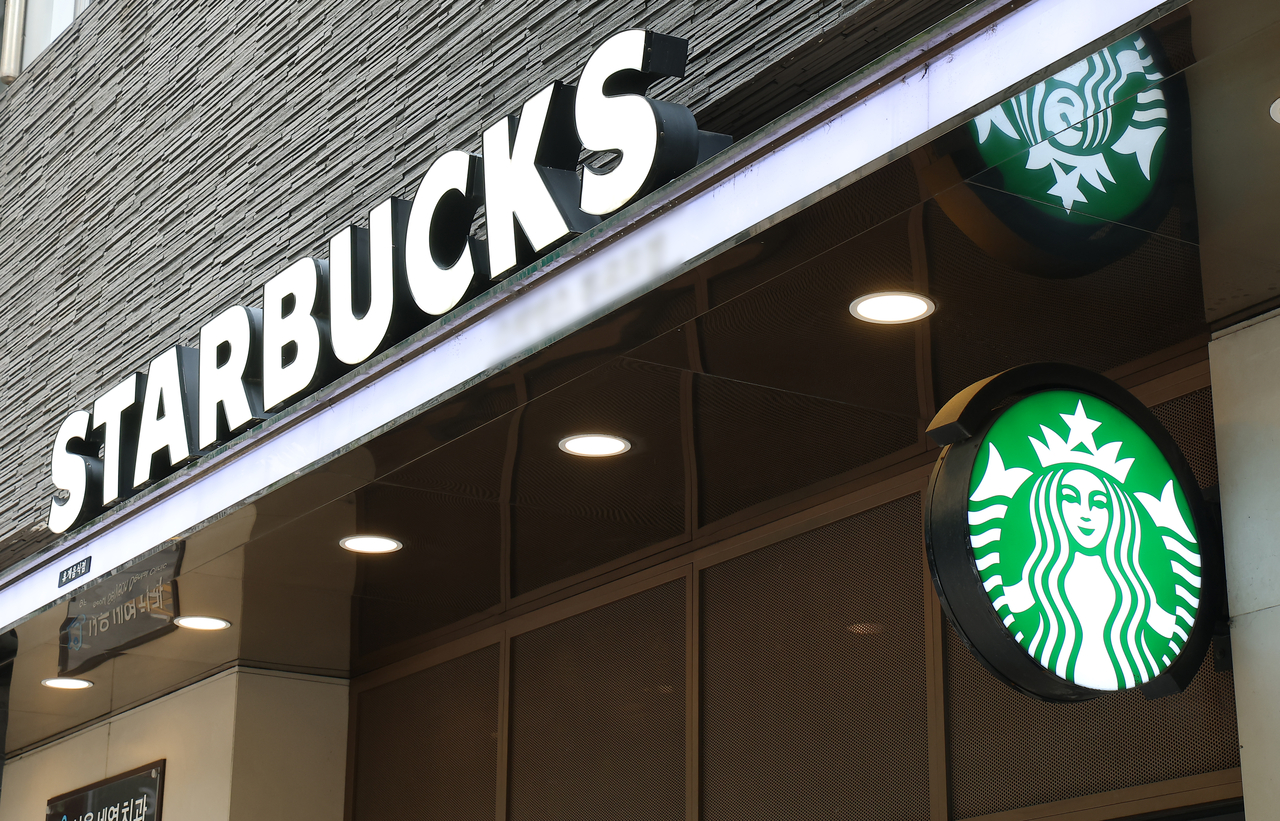
The posts have returned to Korea's secondhand trading platforms — and with them, the annual scramble for Starbucks limited-edition merchandise. The reappearance of "frequency" listings comes as consumer sentiment toward the chain recovers from a marketing controversy that erupted in May, drawing attention to whether the revival can help Starbucks restore its profitability by year-end.
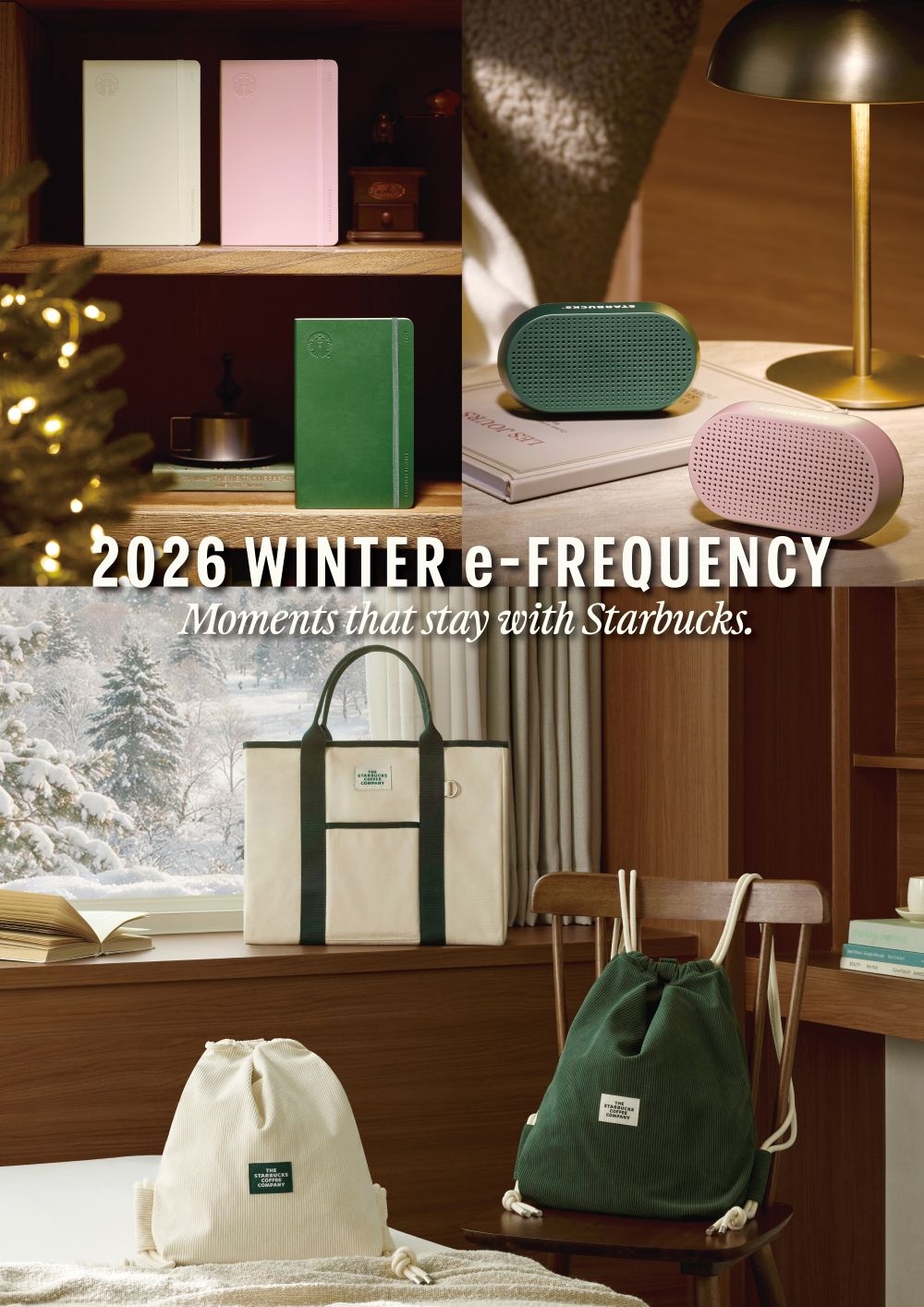
On Wednesday, domestic secondhand platforms and online communities were flooded with posts seeking Starbucks frequency stickers. The frequency event works by having customers collect 17 drink stickers — including three from designated mission beverages — and redeem them for limited-edition goods. Because the merchandise is available in limited quantities, demand surges at the start of each event, and secondhand trading has been brisk every year. Individual stickers are currently changing hands for around 2,000 won, while completed cards with all 17 stickers are selling for anywhere from the low 40,000-won range to around 60,000 won.
The trading activity is drawing particular attention because this is the first frequency event since the May marketing controversy. The event is normally held twice a year — in summer and winter — but the summer edition was scrapped amid the fallout this year. The winter frequency event, which kicked off Thursday, has been extended through the end of the year. Online, users have been posting comments such as "Skipping the summer frequency made all the winter goods look so much prettier" and "Looks like I'll be commuting to Starbucks every day."
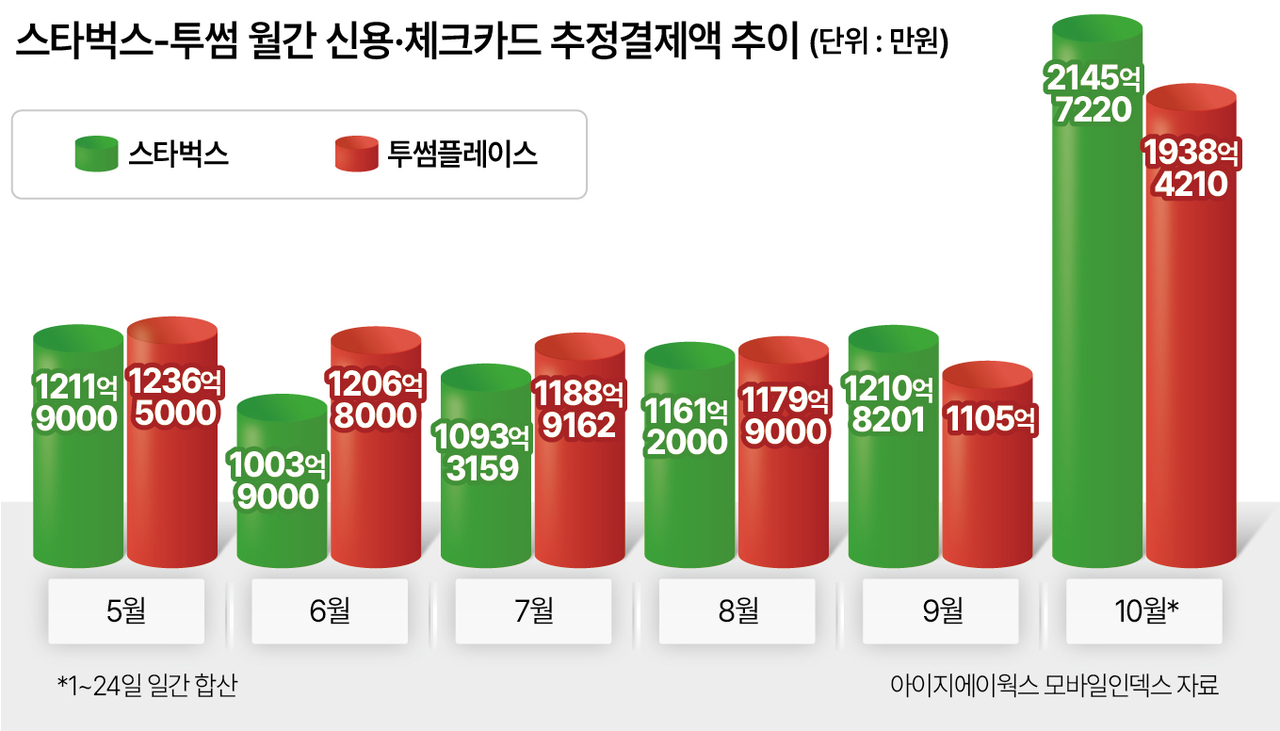
Consumer sentiment toward Starbucks is recovering. According to Mobile Index, a data service run by AI tech firm IGAWorks, estimated combined credit and debit card spending at Starbucks totaled 214.57 billion won ($162 million) from Oct. 1 to Oct. 24 — well above the 121.08 billion won recorded for all of September and, notably, the first time since the controversy that monthly spending has topped 200 billion won. Rival chain Twosome Place posted 193.84 billion won over the same period, up from 117.99 billion won in September, but still trailed Starbucks.
Estimated card spending figures exclude cash, gift vouchers, and various digital payment methods, so they differ from actual sales revenue, though they are useful for tracking trends. Starbucks' card spending had bottomed out at 100.39 billion won in June before edging back up to 109.33 billion won in July and 116.12 billion won in August. Even so, Twosome Place held the top spot in estimated card spending from May through August. Starbucks reclaimed the lead in September.
The industry is watching closely to see how much the frequency event can contribute to Starbucks' recovery. SCK Company, the operator of Starbucks Korea, posted sales of 747.3 billion won in the second quarter, down 6.1 percent from a year earlier, and swung to an operating loss of 18.4 billion won — its first quarterly operating loss since opening its first Korean store in 1999.
Some securities analysts expect Starbucks' sales to recover as early as the fourth quarter. Jang Min-ji, an analyst at Kyobo Securities, wrote in a report that "given that the winter frequency event is scheduled to run longer than last year, we believe the likelihood of a fourth-quarter sales recovery is high."
soho0902@heraldcorp.com