Naver Shopping sends sellers caution notice over exam-cheating concerns
Coupang, Gmarket also step up monitoring
Experts say a complete ban is impossible: 'Ultimately a human problem'
South Korea's e-commerce industry is watching closely as fallout grows from a cheating scandal involving AI-powered devices at a national tax accountant licensing exam. Platforms have long banned items that could be used for illegal purposes such as privacy violations, but concerns are mounting that the latest high-tech gadgets will be exploited in new ways — and that such cases will only increase. The industry is expected to tighten its surveillance, though many in the sector acknowledge that a complete block is out of reach.
Naver Shopping sent a notice to its sellers Monday urging caution over listed products, according to industry sources. "Cheating using micro cameras, AI glasses and micro earphones at national licensing exams and language tests has come to light repeatedly and become a serious social problem," the platform said in the notice. It added that exam cheating "is a grave act that can lead to criminal punishment, including invalidation of results, restrictions on eligibility to sit future exams, and referral for investigation and prosecution." Naver Shopping said it "restricts the handling of products that could be exploited for criminal purposes and monitors products that could be used to cheat on exams," and asked sellers for "special caution and cooperation."
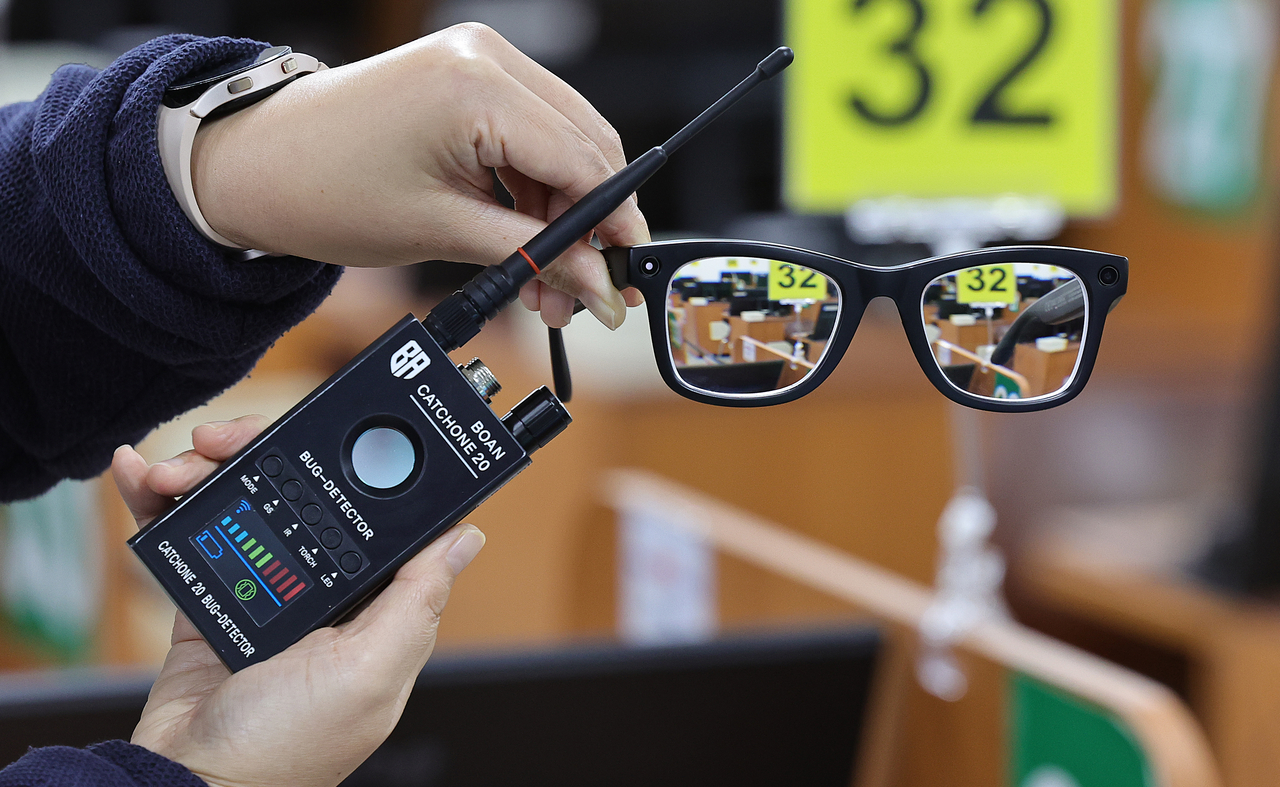
Through the notice, Naver Shopping banned product names, descriptions and images that evoke exam cheating — including terms such as "for exams," "crib sheet," "college entrance exam" and "certification exam." Promotional phrases such as "won't get caught by the proctor" and "won't show" were also prohibited. Marketing micro earphones small enough to hide inside the ear for exam use or covert purposes is likewise restricted. Also banned are cameras disguised as glasses, ballpoint pens, watches or buttons, as well as stickers and covers designed to conceal the recording indicator on AI glasses.
The measures follow Naver Shopping's own product-handling standards, which restrict the sale of items that raise criminal concerns or could violate privacy. The platform holds a large share of South Korea's open-market segment, where individual sellers list their own products. Naver Shopping said that "if such products are found, sales may be suspended and sanctions imposed without prior warning."
Gmarket, one of South Korea's first-generation open marketplaces, has also begun internal discussions on the issue. The platform has already banned the sale of cameras too small to tell whether they are recording or that are disguised as other objects. Coupang Inc also restricts the sale of privacy-violating devices and wiretapping or eavesdropping equipment, blocking listings through monitoring even when sellers attempt to post such products in violation of its policies. AliExpress said it "identifies problematic products in advance through seller and product verification, AI-based monitoring and additional review by staff, and suspends sales of any product found to violate policy."
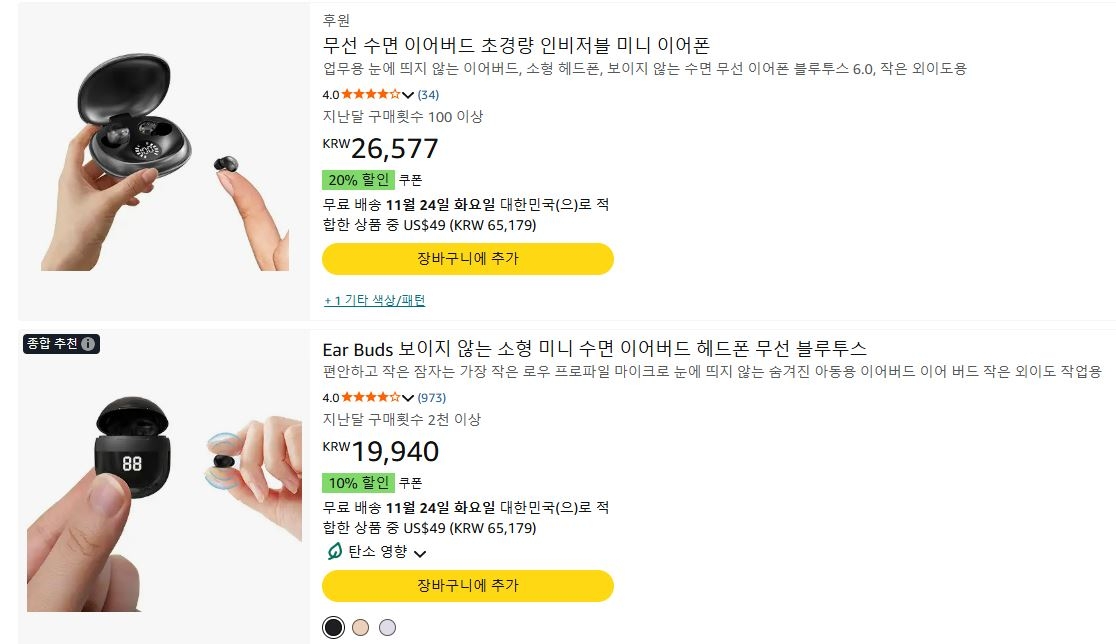
The platforms are acting because e-commerce has been identified as a primary distribution channel for the devices used in the cheating cases. Searching for micro cameras, earphones and AI glasses on various e-commerce platforms returns thousands of listings. Prices are low: searching "invisible earbuds" on Amazon yields products priced from around 10,000 to 30,000 won. Some platforms are also reported to sell micro cameras, wireless earphones and communications equipment as bundled sets. The top scorer on the tax accountant exam at the center of the controversy has admitted to using such devices to cheat.
Despite the industry's self-policing efforts, many observers say a complete block will remain elusive. "A kitchen knife sold online can become a weapon or not, depending on who buys it, for what purpose and how they use it," one industry official said. "It's impossible to block everything, so all we can do is strengthen monitoring." Another official echoed the point: "AI glasses themselves are not illegal items. The problem lies with the people who use them for illegal purposes."
The scandal could also prompt broader policy discussions. Lee Eun-hee, a professor of consumer studies at Inha University, said e-commerce platforms need to strengthen both pre- and post-sale self-regulation. "Full prior regulation is difficult, but platforms are required to take a proactive approach — constantly reviewing potentially problematic products and setting clear standards through internal review committees or similar evaluation bodies," Lee said.

soho0902@heraldcorp.com