German paper unusually covers Korea's Tesla national audit
Door handle cause still unknown two years after fatal crash
Tesla Korea dodges recall question at audit hearing
174,000 US Model Y units under probe; China recalls 2.98 million
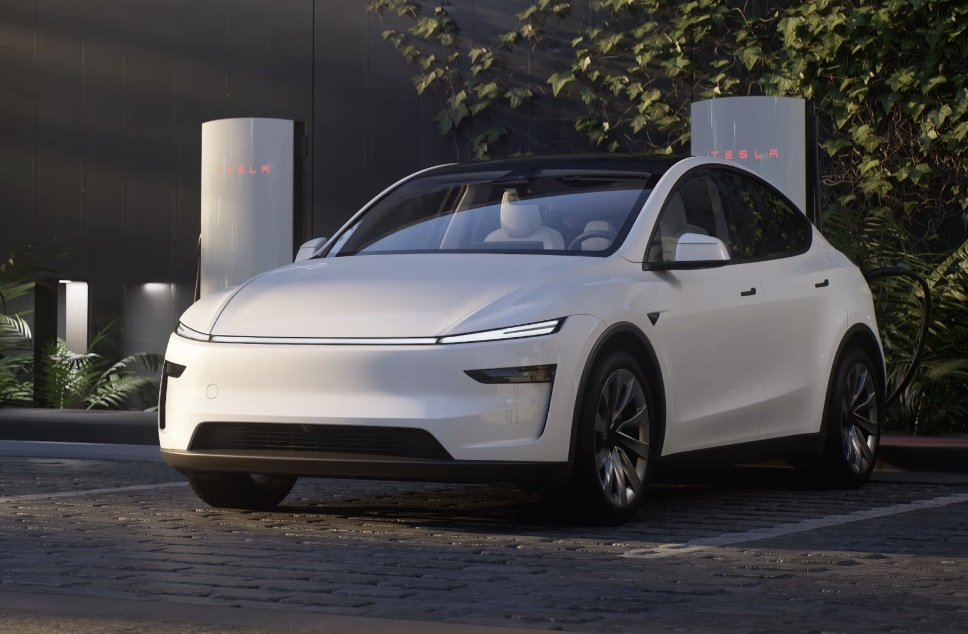
A prominent German newspaper has turned a spotlight on a fatal Tesla Model Y fire in Anseong, Gyeonggi Province two years ago, noting that the cause of the doors failing to open has yet to be determined. With Tesla Korea declining to announce a recall and investigators still unable to establish the cause of the crash, concerns over consumer safety are mounting.
German financial daily Handelsblatt ran a story Monday headlined "Tesla Model Y driver burns to death — the door would not open," covering the October 2024 fatal fire in Anseong. The report drew on safety concerns and details of the fatal crash raised by Rebuilding Korea Party lawmaker Hwang Un-ha at this year's national audit.
The paper examined the sequence of events and the subsequent investigation and response, drawing on national audit records and data from fire department, police and Ministry of Land, Infrastructure and Transport probes. Handelsblatt previously drew international attention with its "Tesla Files" series in 2023, which analyzed leaked internal Tesla documents.
'Limits in fire, police and ministry probes' — manual release hard to operate in emergencies
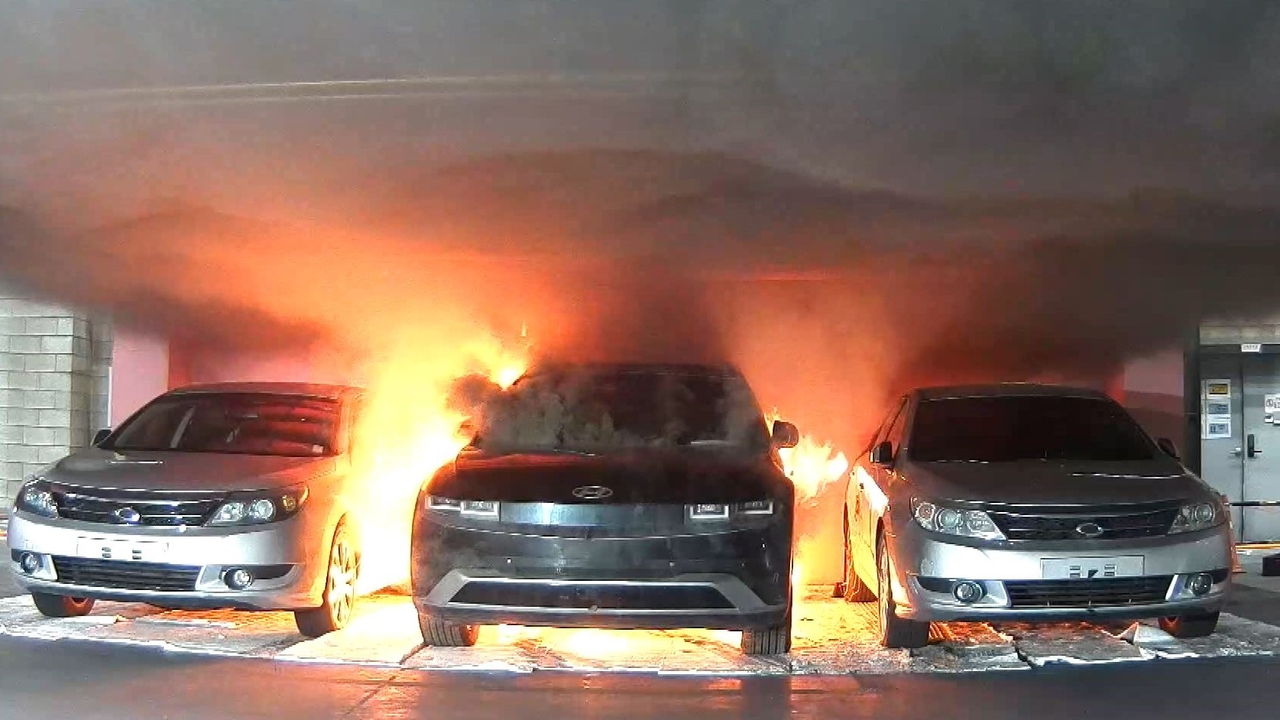
In October 2024, a Model Y collided with a road structure in Anseong, Gyeonggi Province, caught fire and the driver died. A bystander attempted a rescue but could not open the car doors. The driver is believed to have moved to the back seat in an attempt to escape but was ultimately found dead. Two years on, the reason the doors failed to open remains unexplained.
At the National Assembly's Land, Infrastructure and Transport Committee national audit on Oct. 8, lawmaker Hwang raised the fact that the doors had not opened during the Anseong crash and questioned the effectiveness of the emergency release mechanism, asking Tesla Korea CEO Seo Yeong-deuk about recall plans. Seo did not give a clear answer on whether a domestic recall was planned.
Tesla's door-opening mechanism has long been a subject of safety debate. When power is cut, occupants must use a manual emergency release — a process that requires removing a mat and cover before pulling an internal wire, making rapid operation difficult in an emergency. Tesla officially states that manual emergency releases are not installed in some models.
Families sue Tesla in US; China mandates manual releases
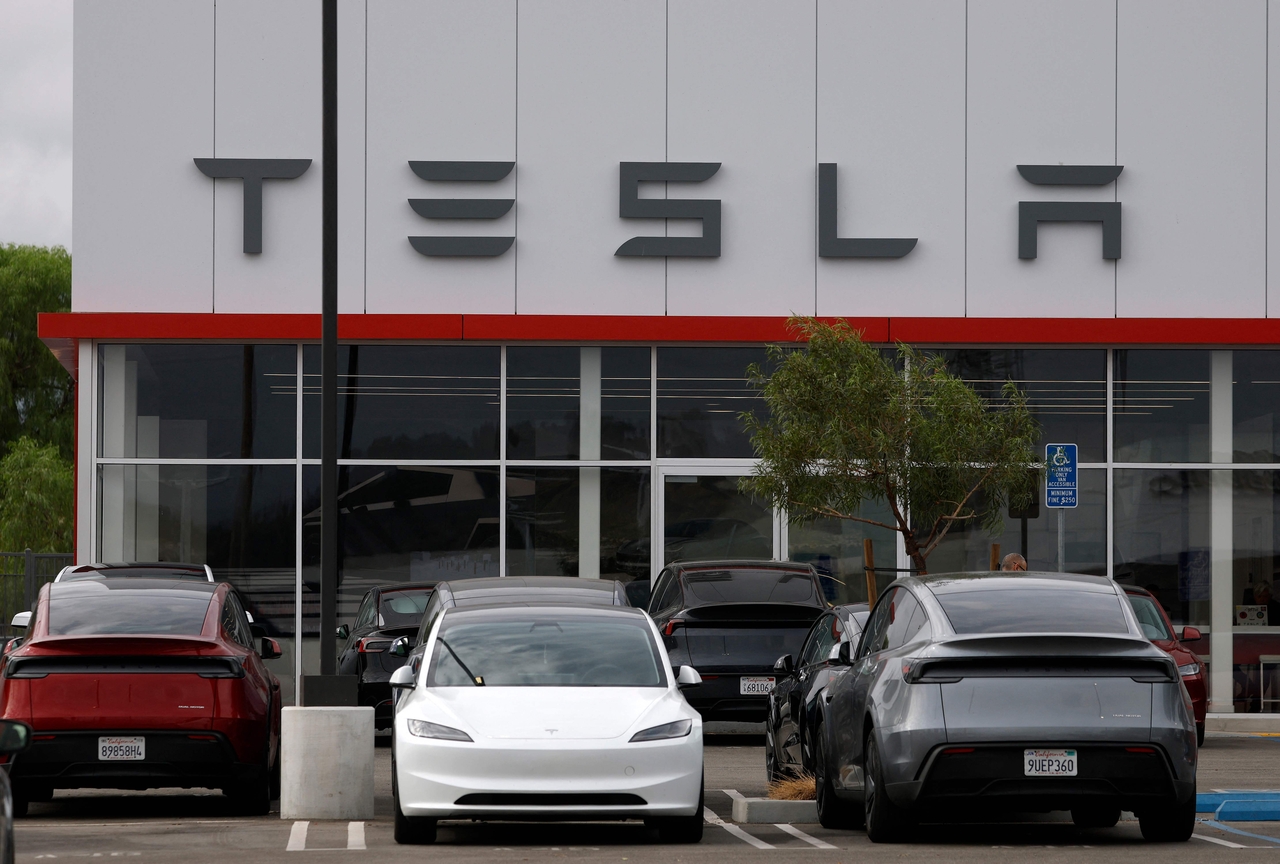
In the United States, families of crash victims have filed a series of lawsuits against Tesla alleging that doors failed to open after accidents. In November 2024, a 2016 Model S struck a tree in Verona, Wisconsin, caught fire and killed all five occupants. In a lawsuit filed in Dane County Circuit Court, the family alleged that the rear manual release was hidden under carpet with no markings. In October 2025, a college student in their 20s died in Massachusetts after a Model Y struck a tree and the driver could not escape; the family filed a lawsuit.
According to Bloomberg, at least 12 Tesla crashes involving fires or collisions had resulted in occupants or rescuers being unable to open the doors as of December last year, leaving more than 15 people dead.
The National Highway Traffic Safety Administration has opened a defect investigation into about 174,000 Model Y vehicles from the 2021 model year, following reports that low-voltage battery problems prevented electronic door handles from operating, making it difficult to open doors from outside. NHTSA has also received a petition to require all vehicles to have an emergency escape system that is easy to identify and operate, and has begun a review process toward establishing new federal motor vehicle safety standards.
China has also moved to address Tesla safety issues. According to China's State Administration for Market Regulation, Tesla filed a recall plan in August covering about 2.98 million vehicles — including the Model 3, Model Y, Model S and Model X — and began remediation work in September. China's Ministry of Industry and Information Technology, in new safety standards announced in February this year, made manual door releases mandatory on both the interior and exterior of vehicle doors, with exterior handles required to provide a graspable space. The standards will apply to new models from January 2027, and existing vehicles on sale must be redesigned to comply by January 2029.
Tesla Korea seeks approval to expand FSD; US NTSB flags design limitations
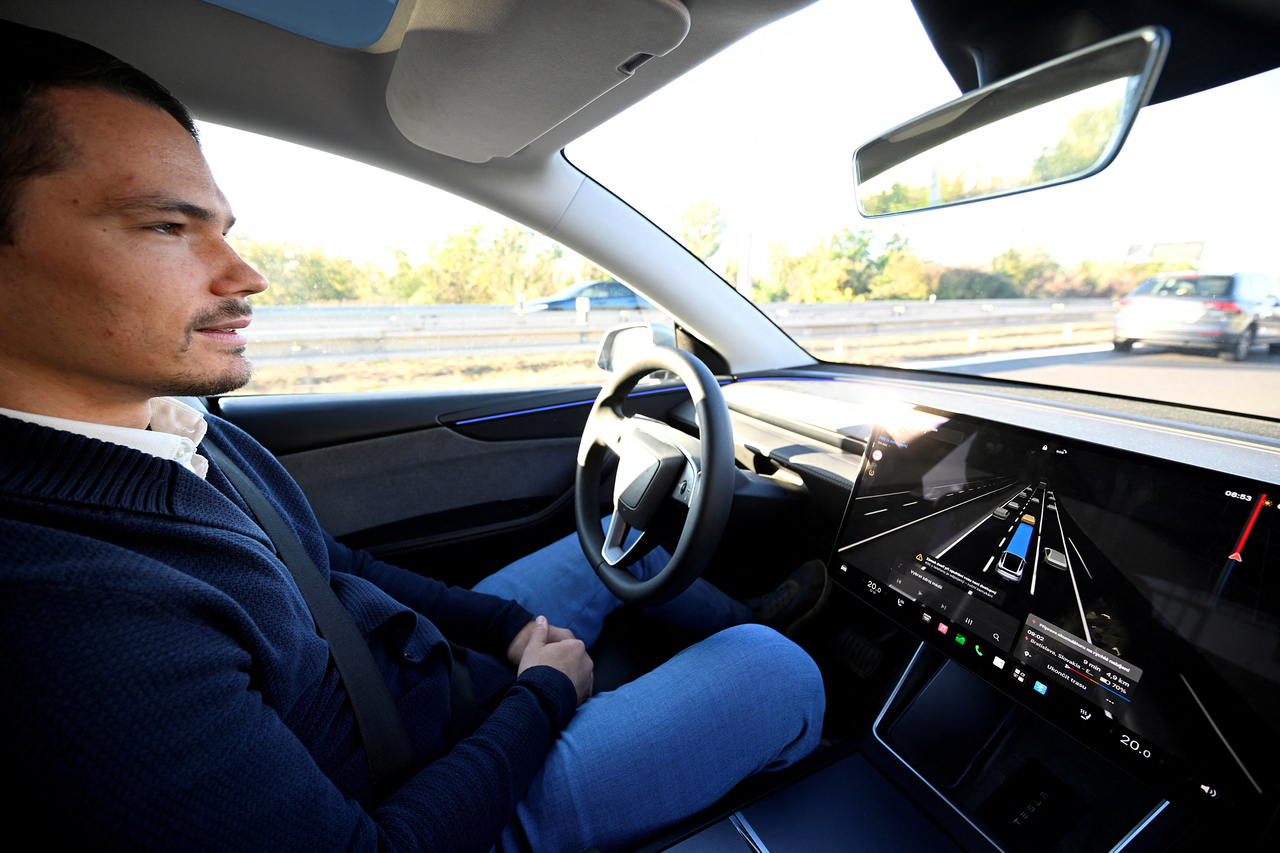
Meanwhile, Tesla Korea has submitted an application to the Ministry of Land, Infrastructure and Transport seeking approval to expand the use of its supervised Full Self-Driving feature domestically. Some US-made Tesla vehicles currently offer FSD in South Korea under a special provision recognizing US safety standards pursuant to the Korea-US Free Trade Agreement; Tesla Korea is asking that the feature be extended to all vehicles.
In the United States, an FSD-related defect investigation is also under way. In March this year, NHTSA expanded an existing probe to cover about 3.2 million FSD-equipped vehicles to determine whether there may be problems with hazard detection and driver-warning functions. The agency has identified nine potentially FSD-related crashes, including at least one fatality.
A Model S driver using Autopilot died in a crash in Florida in 2016, and fatal crashes involving Autopilot also occurred in 2018 and 2019. In several investigations, the National Transportation Safety Board cited limitations in Tesla's system design and the safeguards meant to ensure driver engagement as contributing factors.
Within the automotive industry, voices are calling on Tesla to resolve the safety issues already raised with existing vehicles before seeking approval to expand FSD. "Tesla Korea is focused solely on expanding sales while ignoring safety problems and consumer anxiety," one industry official said. "It needs to urgently take responsible action to address consumers' safety concerns."
eyre@heraldcorp.com