Large Seoul officetels rise for 18 consecutive months
Purchases of units over 60 sq. m. surge while small units decline
Rising apartment prices, tight jeonse and monthly rent supply weigh in
Experts call trend temporary, driven by loan regulations
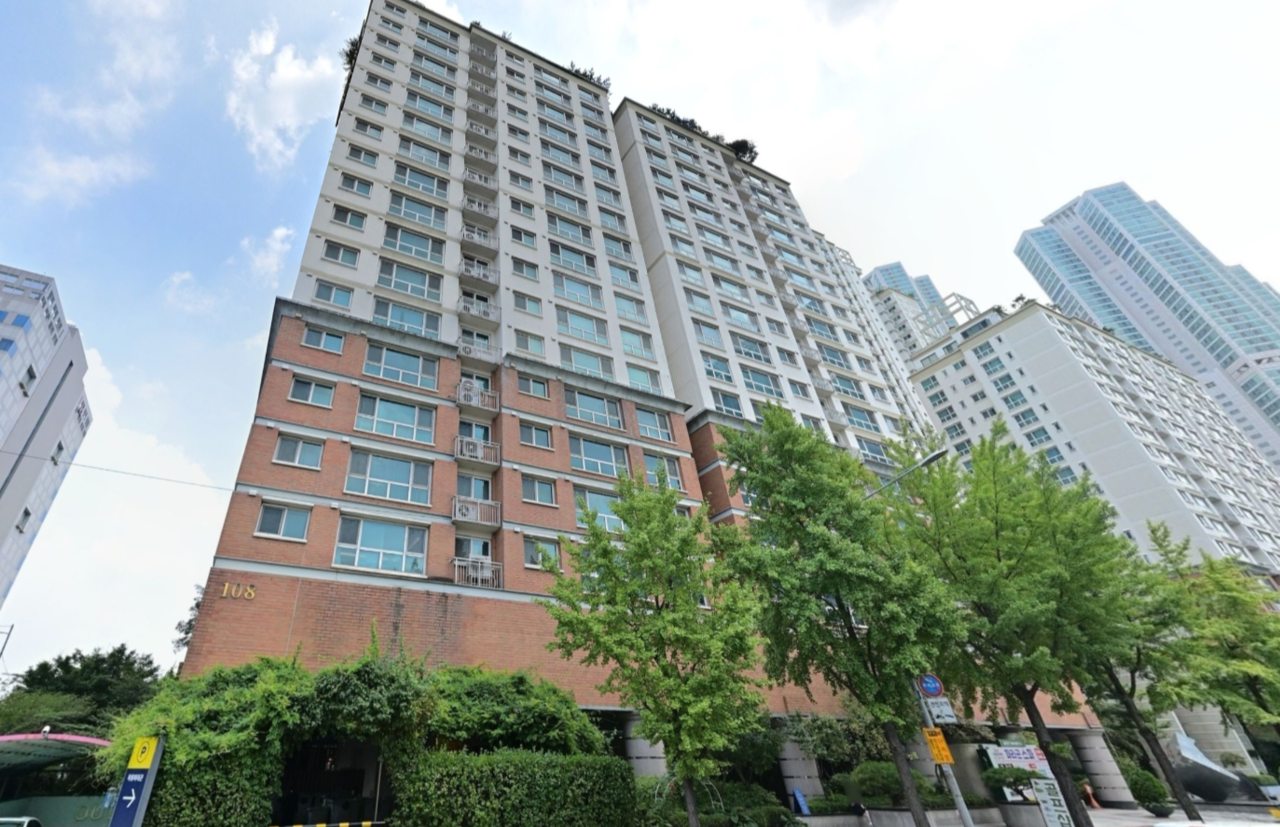
In Seoul's officetel market, larger units are seeing prices climb at a markedly faster pace than smaller ones. Analysts say the trend reflects a confluence of soaring apartment prices, instability in the jeonse and monthly rent market, and tightened loan regulations — all pushing buyers toward relatively affordable "apartels."
According to the Korea Real Estate Board's officetel price trend survey released Sunday, the sale price index for Seoul officetel units with an exclusive use area exceeding 85 square meters rose 0.59 percent month-on-month in September. The segment has now posted gains for 18 consecutive months since turning positive in April last year. The cumulative increase this year stands at 3.50 percent, far outpacing the 0.29 percent gain recorded by small units of 40 square meters or less over the same period — a gap of roughly 12 times.
Officetel units in the 60-to-85-square-meter range also rose for 17 consecutive months from May last year through September, with a cumulative gain of 2.25 percent this year. Units between 40 and 60 square meters, by contrast, rose just 0.87 percent over the same period. The pattern is clear: the larger the unit, the steeper the price increase.
Analysts interpret the trend as a sign that end-users priced out of the apartment market are turning to mid- to large-size officetel units as an alternative. As Seoul apartment prices have climbed steeply, the financial burden of purchasing one has grown, and with the jeonse and monthly rent market also under strain, buyers have increasingly looked to the comparatively affordable officetel segment.
Strict loan regulations targeting apartments have also channeled demand toward officetels. Seoul apartments in designated regulated zones are subject to a loan-to-value ratio cap of 40 percent, while officetels — classified as non-residential properties — can qualify for loan-to-value ratios of up to 70 percent.
While mid- to large-size officetel values have risen, demand for studio-type units has cooled. The sale price index for small officetel units of 40 square meters or less fell 0.05 percent in both August and September, marking two consecutive months of decline.
Transaction data also reflect the shifting preference. An analysis of actual transaction price data from South Korea's Ministry of Land, Infrastructure and Transport shows that individual purchases of Seoul officetels totaled 7,083 units in the January-to-September period this year, up 4.48 percent from 6,779 units in the same period last year. That stands in sharp contrast to individual apartment purchases in Seoul, which fell 14.25 percent over the same stretch — from 59,750 to 51,236 units.
The surge was particularly pronounced in mid- to large-size units. Purchases of officetels between 60 and 85 square meters jumped 46.99 percent, from 366 to 538 units, the highest growth rate among all size categories. Units exceeding 85 square meters also rose 30.00 percent, from 250 to 325. The share of units larger than 60 square meters in total officetel purchases climbed 3.10 percentage points, from 9.09 percent to 12.18 percent.
Only the smallest size category saw purchases decline year-on-year. Units of 40 square meters or less fell 4.12 percent, from 5,359 to 5,138, while units between 40 and 60 square meters rose 34.58 percent, from 804 to 1,082.
Experts, however, view the trend as a temporary phenomenon reflecting rising apartment prices and a tightening rental market. Lee Dong-hyun, a senior real estate specialist at Hana Bank, said younger end-users feeling the strain of current market conditions are likely using officetels as a temporary residence. "The fact that there is more room to leverage loans compared with apartments may also be a factor," Lee added.
Lee cautioned that the trend is unlikely to become a lasting shift. "Preference for apartments remains strong, and it is not easy to expect officetel prices to rise as much as apartment prices," Lee said, adding that the potential for the trend to become mainstream appears limited.
shy@heraldcorp.com