Average bag of 100 Halloween candies hits $16.96
Prices up 71% in 5 years, 15% from last year
Some households swap chocolate for ramyun, school supplies
Candy sales fall 6% as consumers cut back
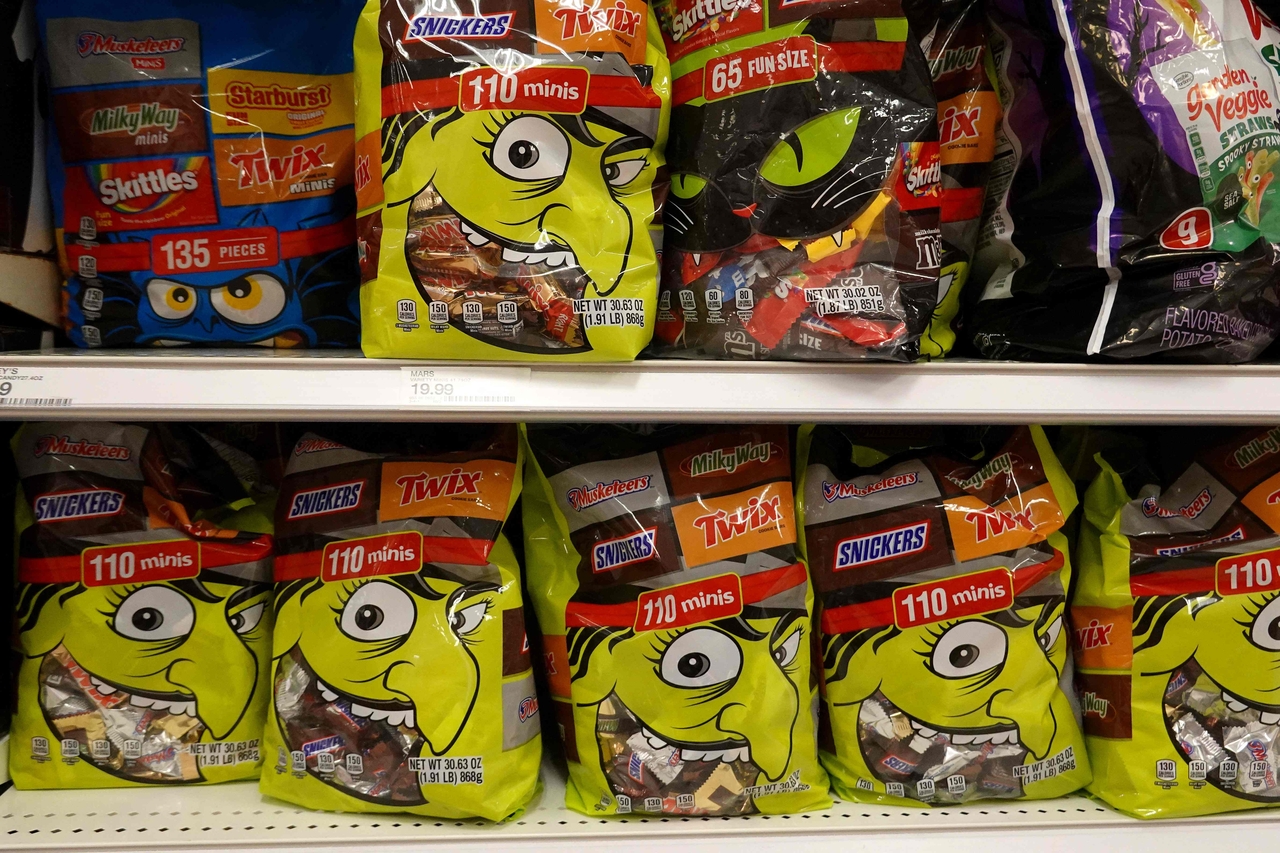
Halloween candy prices in the United States have jumped 71% over the past five years, prompting some households to hand out ramyun instead. With high prices weighing on budgets, consumers are buying less candy or hunting for cheaper alternatives — and the look of America's signature autumn holiday is changing as a result.
According to The New York Times, price-analysis firm FinanceBuzz examined the cost of 17 popular Halloween candies and found that prices this year rose an average of 15% from last year. The average price of a bag of 100 candies now stands at $16.96, up 71% from 2021.
That increase far outpaces other grocery staples. Vegetable prices in the US rose about 6% over the past year, while beef prices climbed about 9%. As candy costs mount, Google searches for "cheap Halloween candy bulk" and "where to buy cheap Halloween candy" jumped more than 5,000% compared with last year.
Tammy Adolphson, 63, who lives near Salt Lake City, Utah, considered skipping candy handouts altogether this Halloween. After retiring last year following the closure of the trucking company Adolphson ran with a spouse, the household budget has grown tight. But unwilling to abandon the annual tradition of giving candy to neighborhood children, Adolphson ultimately bought a bag of 90 chocolates for $21.39 — and decided to skip one restaurant meal this month to offset the cost.
"Even this joyful tradition of giving candy to kids is getting harder and harder to afford," Adolphson said. "I'll give up one dinner out this month, but keeping the tradition is worth it."
Lenny Turpin, 30, of Charlotte, North Carolina, faces a similar dilemma. Having recently bought a home, Turpin is preparing candy for a first Halloween in the new neighborhood — but estimates the cost will run about $100, roughly a week's worth of groceries, even after choosing relatively affordable options.
"Prices have gotten completely out of control," Turpin said. "Halloween tradition has become a financial burden."
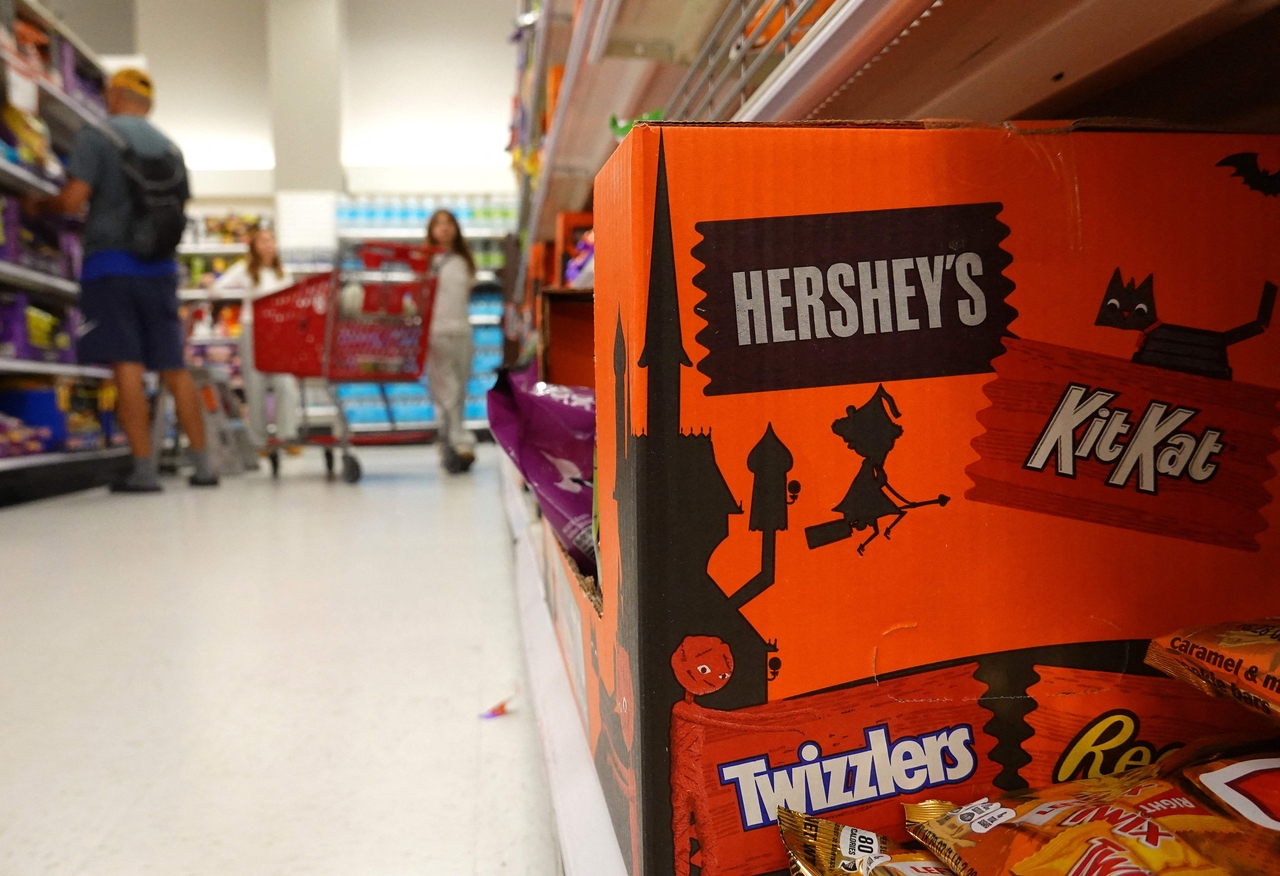
The financial strain is showing up in actual sales figures. According to market research firm NielsenIQ, Halloween candy sales in the US fell 6% in the month through Oct. 17 compared with the same period last year. A New York Times survey of more than 200 readers found that about 90% said rising candy prices had changed the way they shop for the holiday.
Chocolate prices have been hit particularly hard. A global cocoa supply crisis driven by climate factors sent cocoa prices to a record high last year, pushing manufacturers to raise prices or shrink package sizes. According to web research firm Apify, a bag of Reese's Miniatures shrank from 17.6 ounces last year to 15.8 ounces this year — while the price rose by $1.50.
Consumers are turning to relatively cheaper options such as gummy candies and fruit-flavored sweets, with Sour Patch Kids, Skittles and Nerds Gummy Clusters among the popular picks. Some households are cutting costs by handing out school supplies or small toys instead of candy.
Angie Bacy, a teacher in Round Lake, Illinois, replaced candy this Halloween with instant ramyun, which Bacy was able to buy for 10 cents a pack during a sale. Cynthia Tomasset of Shillington, Pennsylvania, is pairing candy with school supplies and stickers — and has decided not to buy more candy once the initial supply runs out.
Some households are offering homemade food instead. Megan Filler, a communications director at United Way, opted to give neighbors a beef-and-bean chili made by a spouse rather than spend $25 on a bag of candy. "It's hard to believe that making a pot of chili costs less than one bag of candy," Filler said.
Sally Ryan Wyatt, a vice president of consumer goods and foodservice insights at market research firm Mintel, said people will still celebrate Halloween — just differently. "Candy will still be part of it, but it won't be as central as it once was," Wyatt said. "Instead, we'll see people get a little more creative."
Still, some consumers are holding firm on tradition despite the cost. Mitch Collins, 71, of Oakdale, California, spent $269 this year to prepare 270 pieces of chocolate and candy to hand out to trick-or-treaters.
"I still vividly remember getting a big chocolate bar on Halloween as a kid," Collins said. "It costs a lot, but seeing the children's faces light up makes it worth every penny."
sjy@heraldcorp.com