FT: Dell, HPE and other server vendors demanding extra payments at delivery
GPU server prices up 20–30%; CPU server nodes more than triple
DRAM prices seen rising over 400% from early 2024; disputes spilling into courts
Server prices — a critical cost in building AI infrastructure — have been rising by as much as 45% after contracts are signed, as memory chip costs surge and vendors pass the burden on to customers. Companies that have already signed deals and begun constructing data centers are being hit with unexpected additional charges, and some have filed lawsuits demanding that suppliers honor the originally agreed prices.
According to the Financial Times on Sunday (local time), major server vendors including Dell, Hewlett Packard Enterprise (HPE), Lenovo and Super Micro Computer have been demanding significantly higher prices at the time of delivery — months after contracts were signed.
By renegotiating prices that were fixed at signing, vendors are forcing customers to absorb cost increases that can run into the tens of percentage points.
Large trading firms building their own data centers have been particularly hard hit. Jane Street, Optiver and Hudson River Trading are among those facing sharply higher costs as they construct data centers for AI computing and high-frequency trading, sources said.
"When prices go up 25%, 30%, 45%, it's embarrassing," one source told the FT.
Another source said it has now become standard practice for prices to be revised upward at delivery even when a contract specifies a fixed base price. "We have never once said no," the source added.
The scale of price increases varied by server type. GPU servers rose at least 20 to 30 percent, according to one source. CPU-based server nodes, which rely more heavily on memory chips, more than tripled in price.
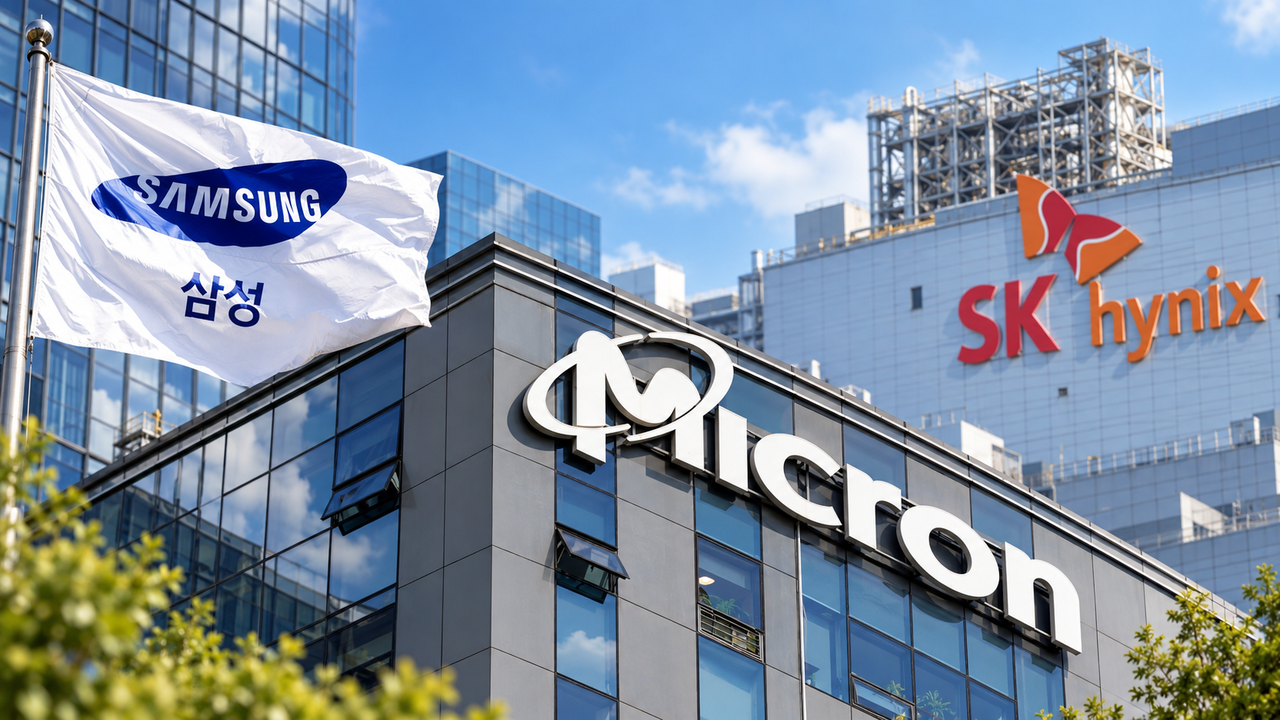
The primary driver of the surge is the sharp rise in memory chip prices. As competition to build AI data centers has intensified, demand for memory has soared, and server manufacturers are passing their higher procurement costs on to customers.
JP Morgan Research estimates that DRAM prices will rise more than 400 percent from early 2024 through the end of this year. The prolonged climb in memory prices has made it increasingly difficult for server manufacturers to hold to their original contract prices, analysts said.
The disputes are also spilling into the courts. XTX Markets, a British trading firm building a data center in Finland, filed a lawsuit against Dell in an Irish court in June.
Court documents show that XTX Markets and Dell had signed a contract fixing the server supply price at $549 million. Dell subsequently demanded at least $62 million to $70 million in additional payments, citing rising memory costs — roughly 11 to 13 percent above the original contract value.
In its complaint, XTX Markets said Dell pressured it to accept the price increase by citing cases involving other customers.
According to XTX Markets, Dell executives said other firms that had received similar price-increase demands had tried to find alternative suppliers but ultimately returned to Dell and accepted the higher prices. XTX Markets said the remarks were in effect an attempt to coerce it into agreeing to the revised terms.
The episode illustrates how the costs of expanding AI infrastructure are spreading beyond server manufacturers to their end customers. Given the large capital outlays involved in data center construction, sharp post-contract price increases can disrupt overall project budgets and investment plans.
sjy@heraldcorp.com