Originally planned for 5 schools, the program grew to 11 after 16 applied; each school receives up to 10 million won in support
Eleven elementary, middle and high schools will run 29 tailored programs covering reading, debate and author visits
As AI becomes part of everyday life, the ability to accurately understand and critically evaluate information is growing more important than simply knowing a lot of it. The capacity to identify what matters within the vast flood of AI-generated content — and to express one's thinking logically — is increasingly seen as a defining competitive skill for the future.
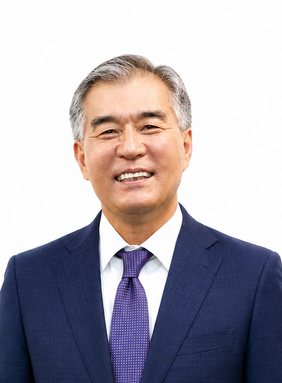
Gangnam-gu District Mayor Kim Hyun-ki is responding to that shift by stepping up reading education aimed at building students' literacy and critical thinking.
Gangnam-gu has selected 11 elementary, middle and high schools in the district as participants in its "Gangnam-style reading schools" initiative, with tailored reading education programs to run at each school through December.
Launched for the first time this year, the project goes beyond simply encouraging students to read more. It focuses on developing literacy, critical thinking and logical expression through a combination of reading, discussion and creative activities.
The district had originally planned to select five schools, but strong interest from schools — 16 applied — prompted Gangnam-gu to expand the program to 11 participants.
Following a review in October, the district selected three elementary schools, six middle schools and two high schools. Each school receives up to 10 million won ($7,490) in support, and a total of 29 reading education programs will be offered across the 11 schools.
Core programs include reading and debate sessions, author meet-and-greet events, book clubs, and reading-linked creative and expressive activities. Each school's program is tailored to its own educational environment and student body, with the goal of helping students read, share ideas with one another and develop deeper thinking skills.
The initiative extends Kim's ongoing policy emphasis on improving literacy, foundational academic skills and reading education.
The underlying rationale is that in an era when AI produces and delivers information, the ability to properly understand that information and judge its accuracy becomes all the more critical. The district aims to help students naturally build reading habits within the school curriculum and develop the capacity for self-directed learning.
Gangnam-gu plans to conduct a comprehensive review of this year's results — including student participation rates and program satisfaction — and expand the number of participating schools and supported programs in 2027. The district also intends to build a sustainable framework for reading education support by incorporating feedback from schools.
"In the AI era, literacy — the ability to accurately understand and interpret what matters within a vast sea of information — becomes a competitive advantage," Kim said. "We will continue to strengthen reading education as the foundation of all learning, and spare no effort in supporting students' foundational academic skills and future capabilities."
seouldream01@heraldcorp.com