We see the world through food. Welcome to Middam, stories worth savoring.
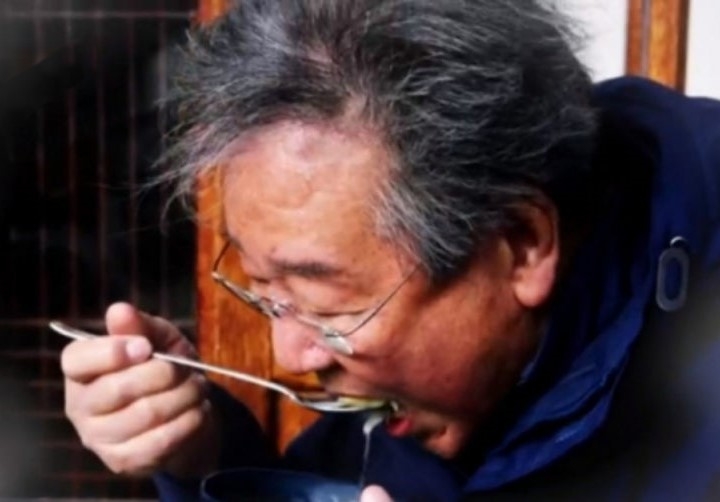
Choi Bool-am was born in Incheon in 1939, during the Japanese colonial period, and his early years were far from easy. His father, who ran a business, died when Choi was around six years old. Left without a father, he spent his childhood at his maternal grandparents' home — and it was there that his grandmother often made him mujjanji, salted radish pickles.
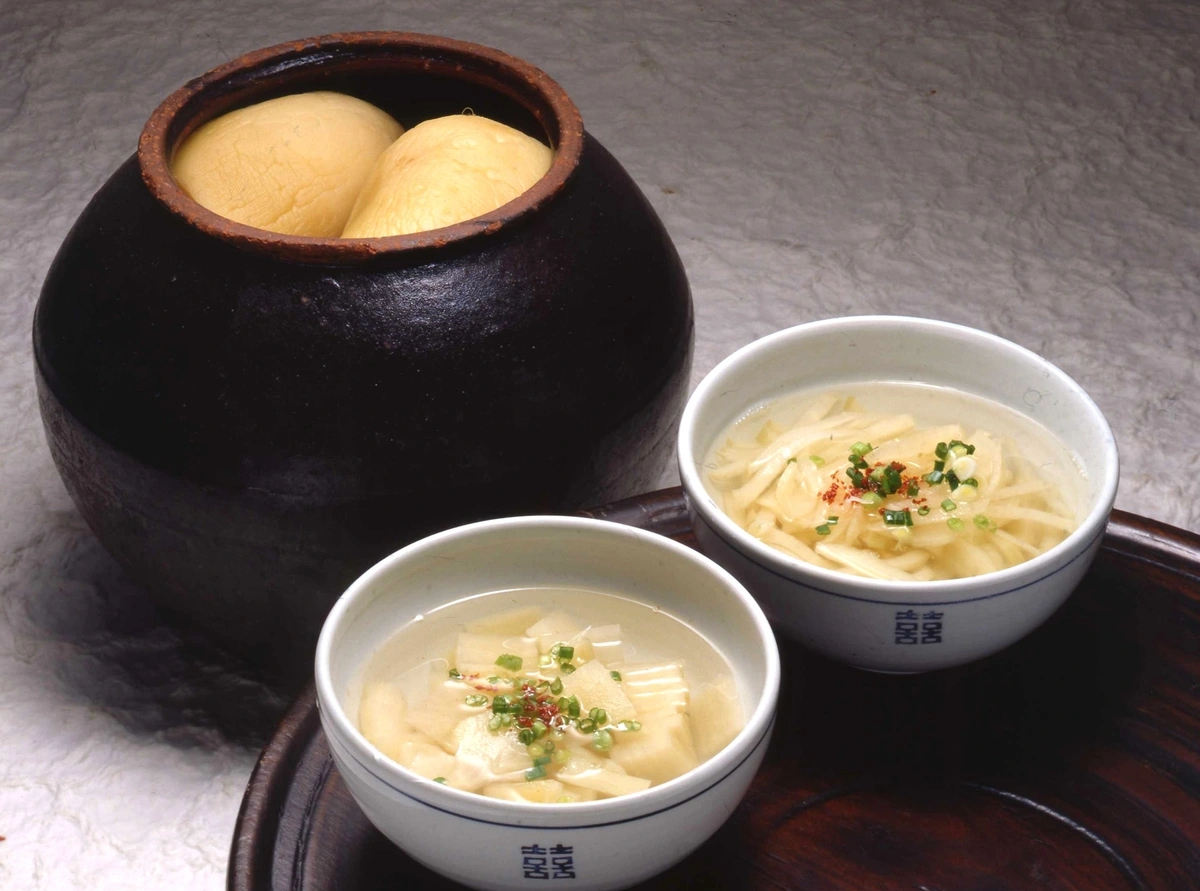
Mujjanji requires nothing more than radish and salt, keeps well, and was a practical banchan for households with little to spare. Perhaps because of the comfort it brought him in those lean years, Choi kept mujjanji on his table even after he found success as an actor. It was, by all accounts, the soul food of his life.
"After my father passed away and I was growing up at my grandparents' house, I ate a lot of mujjanji," he once said. "It was a banchan that cost almost nothing — you just salted the radish. Maybe it was because we were poor, but my grandmother fed it to me all the time. Even now, I need mujjanji on the table."
For Choi, eating was never simply a matter of filling the stomach. It was a way of filling the heart, a thread connecting people to one another, and a vessel for life's most cherished moments. He once named a dish of aged kimchi braised by his wife, Kim Min-ja, as the meal he would want as his last — a testament to how deeply he valued the warmth and memory held within food.
Choi described the essence of Korean cuisine as "creativity born of poverty." Mothers who had little to work with found ways to feed their families by making the most of whatever ingredients were at hand, conjuring new dishes from scarcity. To him, the Korean table was completed not by abundance but by ingenuity and love for family. That, perhaps, is why the mujjanji his grandmother made stayed with him for the rest of his life.
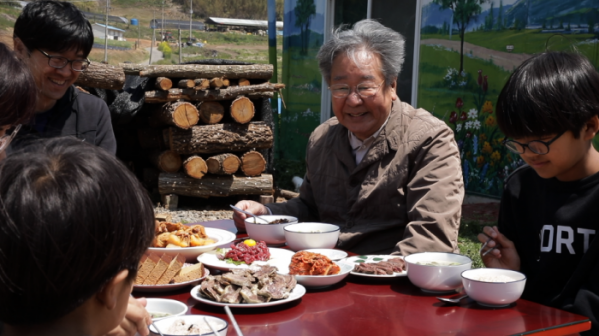
That philosophy ran through every episode of "Hangukineui Bapsang" (Koreans' Table), the KBS program Choi hosted for 14 years.
Choi remembered people through food. During a shoot in Namwon, North Jeolla Province, for a segment on chueo-tang, a loach soup, he mentioned on camera that he loved the sancho pepper used in the dish. After filming wrapped, an elderly villager was waiting for him beneath an old zelkova tree, holding a single spoonful of sancho pepper wrapped carefully in newspaper — a small gift prepared because the villager had remembered what Choi said he liked. Recalling the moment, Choi said, "It's not the food that stays with you. It's the people."
Food could also bridge borders. In the fall of 2012, while filming in New York for the program, Choi was served perilla-leaf pickles made by an American couple — blue-eyed, as he described them — who had grown the perilla themselves in a backyard garden. He was moved to tears. He later explained why: "In a city where so many races and cultures coexist, I discovered the greatness of something most purely Korean."
Choi Bool-am has passed on, but when we see mujjanji or perilla pickles, we will think of him again. Just as he did, we can reach through food to feel his warmth once more — and bring back the memory of a man who defined an era.
123@heraldcorp.com