Park In-seo outlines 4 priorities including inner harbor redevelopment and AI Auto Valley normalization
Park In-seo, the newly appointed president of the Incheon Port Authority, moved immediately upon taking office to address the port's long-standing challenges and strengthen its competitiveness.
Park's plan centers on reviving stalled development projects, transitioning to a smart port model and diversifying cargo volumes to drive a new phase of growth for Incheon Port.
Park, the eighth president of the Incheon Port Authority (IPA), held his inauguration ceremony Monday and began official duties.
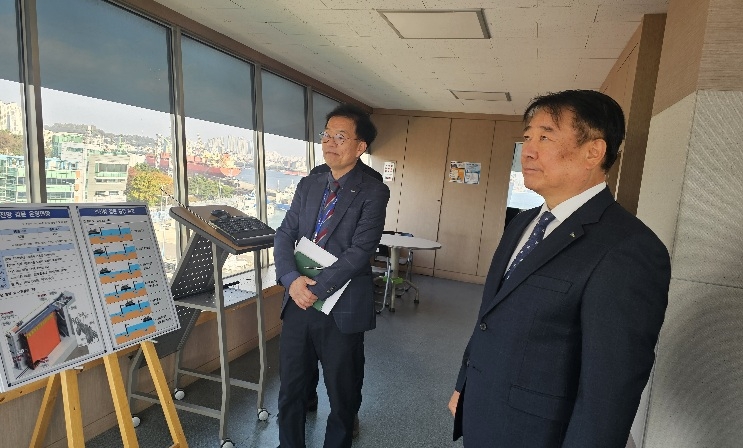
On his first day, Park visited the redevelopment site of Piers 1 and 8 at Incheon's inner harbor and the port's lock facilities in succession, reviewing the progress of ongoing projects and inspecting safety management conditions.
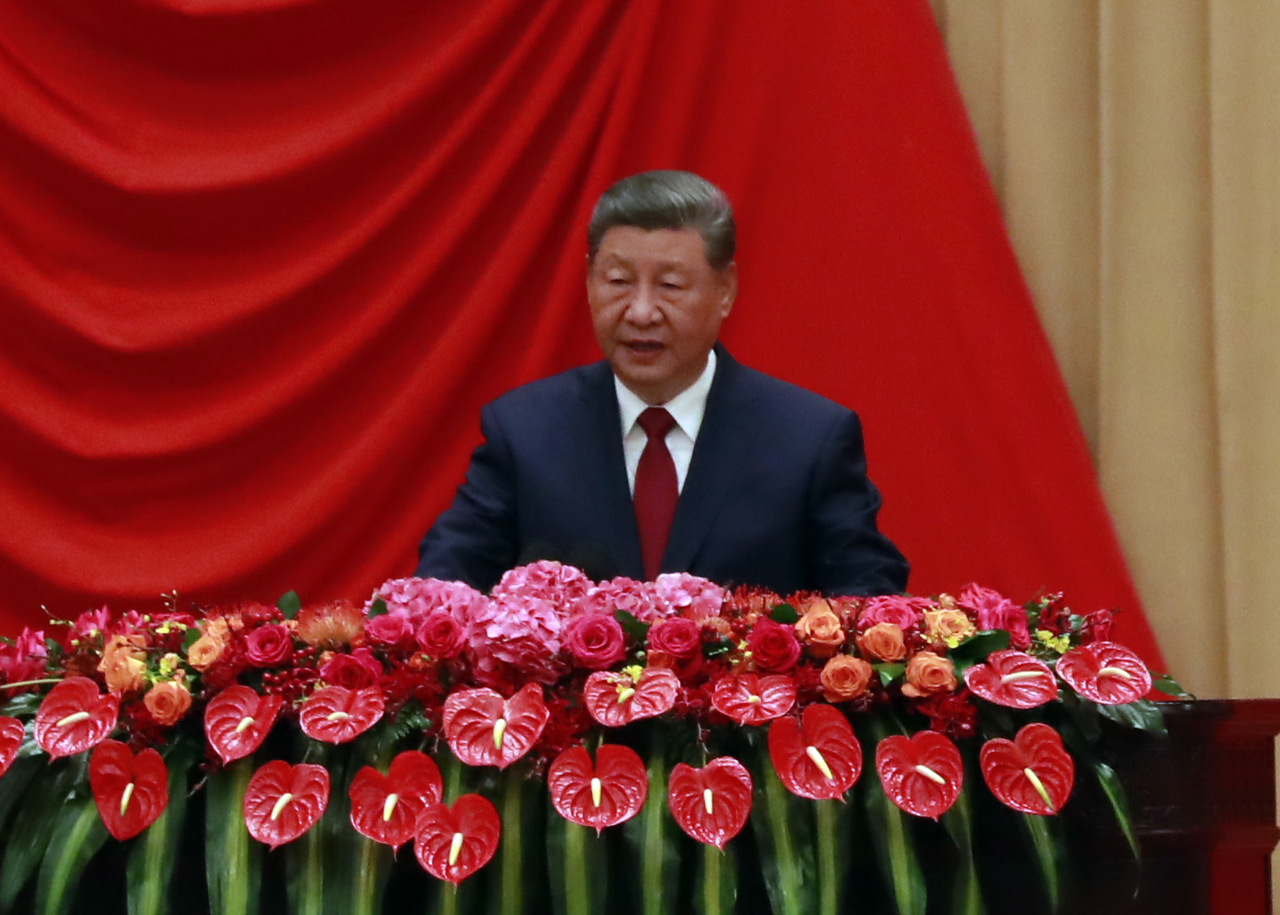
In his inaugural address, Park expressed his commitment to building on the authority's existing achievements while moving swiftly to resolve issues that have gone unaddressed for years.
"I will become a problem-solver who quickly clears up and resolves the pending issues that have remained unsettled for so long," Park said, stressing the need for rapid execution of key reform tasks.
Incheon Port recorded container throughput of 3.55 million TEUs in 2024, its highest ever, cementing its position as South Korea's second-largest container port. Achieving zero serious accidents for five consecutive years was also cited as a major accomplishment.
Uncertainty in the global trade environment stemming from the US-China trade conflict and intensifying competition among global ports in AI-based smart port development were identified as challenges to overcome.
In response, Park outlined four priorities to pursue after taking office: strengthening the Incheon inner harbor Pier 1 and 8 redevelopment project, activating the AI Auto Valley and attracting investment to Golden Harbor, opening the Incheon New Port Phase 1-2 smart berths on schedule, and building self-sustaining capacity through route and cargo diversification.
The Pier 1 and 8 redevelopment project at Incheon's inner harbor was singled out as both a long-sought civic priority and a key initiative for revitalizing the original city center and reshaping urban space.
Park said the project would be developed into a world-class port regeneration model through eco-friendly redevelopment that reflects Incheon's history and identity.
The AI Auto Valley, which has faced prolonged difficulties, will be normalized as quickly as possible, while unsold land at Golden Harbor will be targeted for early sale through a revamped investment attraction strategy.
Expanding the foundation for Incheon Port's future growth is also a key priority.
"We will strengthen cooperation with operators to ensure the Incheon New Port Phase 1-2 container berths — which will be developed as South Korea's first U-shaped berths — open without delay," Park said.
The authority also plans to expand cargo attraction efforts targeting emerging markets in Southeast Asia and Africa to reduce the port's heavy reliance on China. China currently accounts for 64 percent of Incheon Port's cargo volume.
At the Pier 1 and 8 redevelopment site, which Park visited immediately after his inauguration, he received a briefing on the project's progress and future plans and examined key pending issues and potential solutions.
"Please work hard to advance the project so that we can return this aging port space to citizens and breathe new life into the original city center through cooperation among relevant agencies," Park said.
At the port's lock facilities, Park checked operational conditions and maintenance status and reviewed the progress of facility repair work and safety management practices.
Park also called for safety to be the top priority at port operations and construction sites, with hazards identified and eliminated in advance to protect workers.
Park signaled his intention to improve the organization's culture as well, saying he would build a workplace where employees can carry out their work with conviction, free from entrenched practices, and have their achievements fairly recognized.
Park said he would listen directly to voices from the field and from citizens and work to resolve problems, stressing the importance of strengthening port competitiveness and fostering mutual growth with the local community.
A native of Incheon, Park joined the Korea Land and Housing Corporation (LH) in 1985 and later served as head of its Incheon regional headquarters, among other roles.
He subsequently served as president of Incheon Urban Corporation, vice mayor for balanced development of Incheon, and standing vice chairman of the Incheon Chamber of Commerce and Industry.
Attention is focused on whether Park can draw on his experience in public enterprise management, urban development, administration and the regional economy to resolve the IPA's key pending issues.
Park's term runs three years from Monday.
gilbert@heraldcorp.com