US stocks rose after 95% of midterms since 1938
S&P 500 averaged 23% gain under divided government with Republican president
Democratic Congress may not spell doom for markets
Corporate earnings, not election results, seen as key driver
A single word from Donald Trump can shake global markets. If keeping up with the flood of Trump news feels overwhelming, this column cuts through the noise — delivering the essential stories, from Wall Street's closing bell to the global market moves that matter, in just one minute.
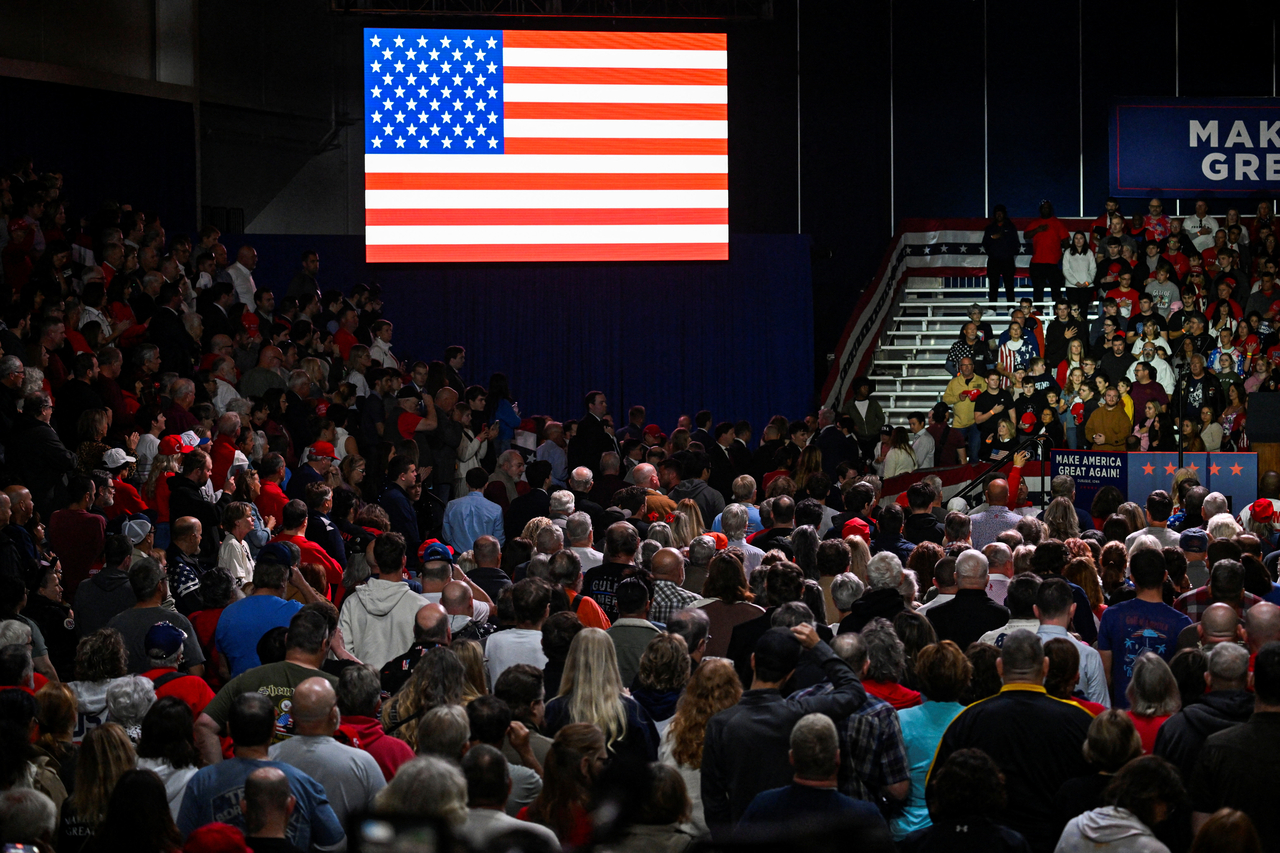
If Donald Trump's Republican Party loses the midterm elections, will Wall Street follow suit?
Politically, a defeat would be a blow to Trump, but Wall Street's calculus runs differently. US stocks have historically continued to climb even when the president's party loses control of Congress, and some analysts argue that a divided government — where the executive and legislative branches check each other — can actually be a tailwind for investors.
With the US midterm elections set for Tuesday (local time), Wall Street has been flooded with analyses on where markets will head after the vote. All 435 House seats and 35 Senate seats are up for grabs. As Democrats' chances of reclaiming the House are discussed, investors are watching closely to see how key economic policies — tariffs, taxes and fiscal spending — might shift over the remaining two years of Trump's term.
US stocks up after 95% of midterms — is divided government a tailwind?
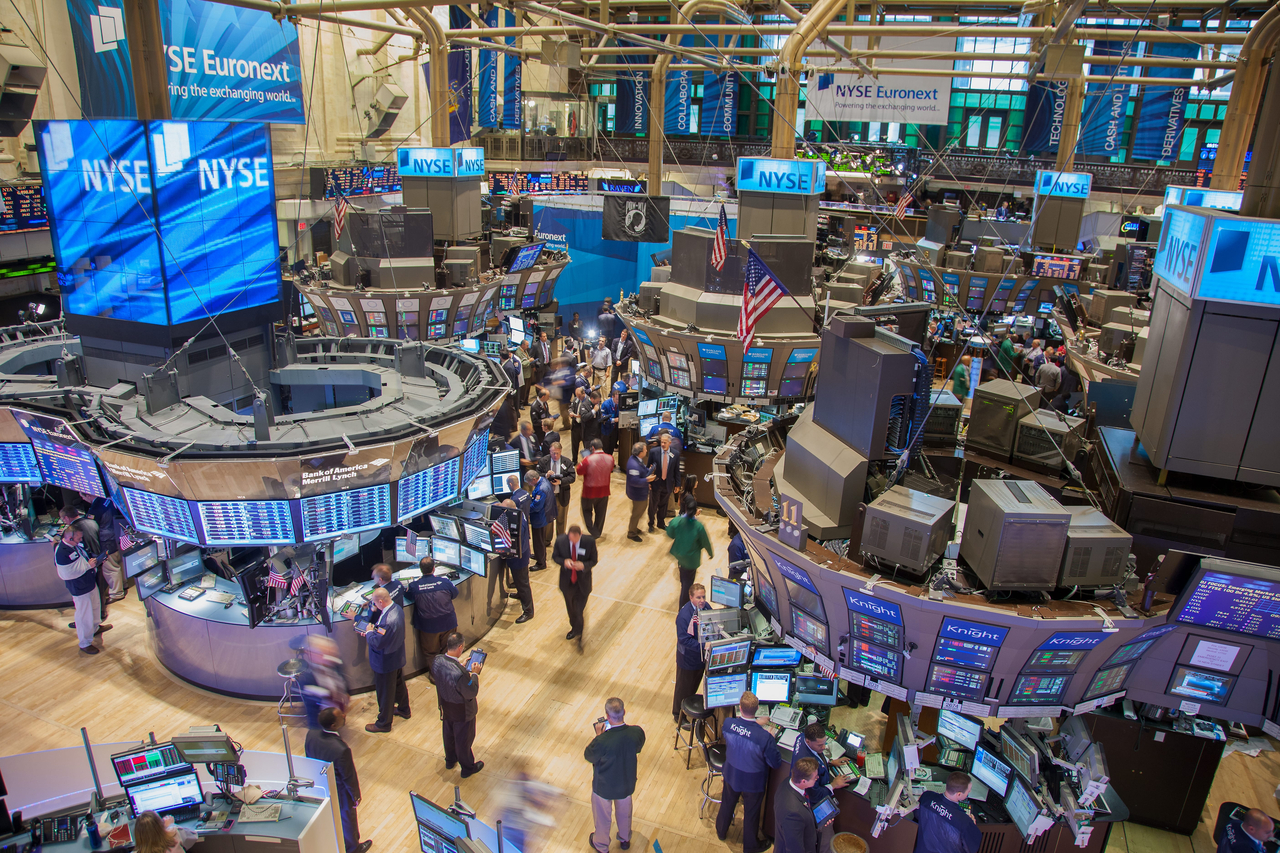
Historical data show that US stocks have tended to perform strongly after midterm elections regardless of which party won.
According to an analysis Fidelity published in August, the S&P 500 rose in the 12 months following midterm elections roughly 95 percent of the time since 1938. The index averaged about 5 percent during the second year of a presidential term, but that figure rose to 14 percent in the 12 months after midterms.
The pattern reflects a tendency for markets to underperform ahead of elections as policy uncertainty mounts, then recover once the political direction becomes clearer.
Analysts have also noted that US stocks have posted particularly strong returns when a Republican president faces a divided Congress.
According to Morgan Stanley, the S&P 500 averaged a 23 percent gain in the year following midterms when a Republican president governed alongside a split Congress — well above the overall post-midterm average of 12 percent.
That suggests a Republican loss in the midterms would not necessarily be bad news for stocks. The historical averages, however, do not guarantee future gains, nor do they imply that any particular party's victory causes markets to rise.
What Wall Street is focused on is the potential for policy change under a divided government. When the two branches are controlled by different parties, sweeping legislative changes to taxes, regulation or government spending become harder to push through — a dynamic that can ease corporate anxiety over abrupt policy shifts.
Anu Gaggar, vice president of capital markets strategy at Fidelity, cautioned against reshaping investment portfolios based purely on speculation about election outcomes. While political uncertainty can amplify market volatility, what matters more than the result itself is how much of that uncertainty gets resolved afterward.
If Democrats take the House, Trump would face legislative checks for the remainder of his term. Large-scale tax cuts and expanded fiscal spending — measures that require congressional approval — could become harder to advance, but investors may see the reduced likelihood of sudden legislative swings as a positive.
Trump's tariffs here to stay? The variable Wall Street is really watching
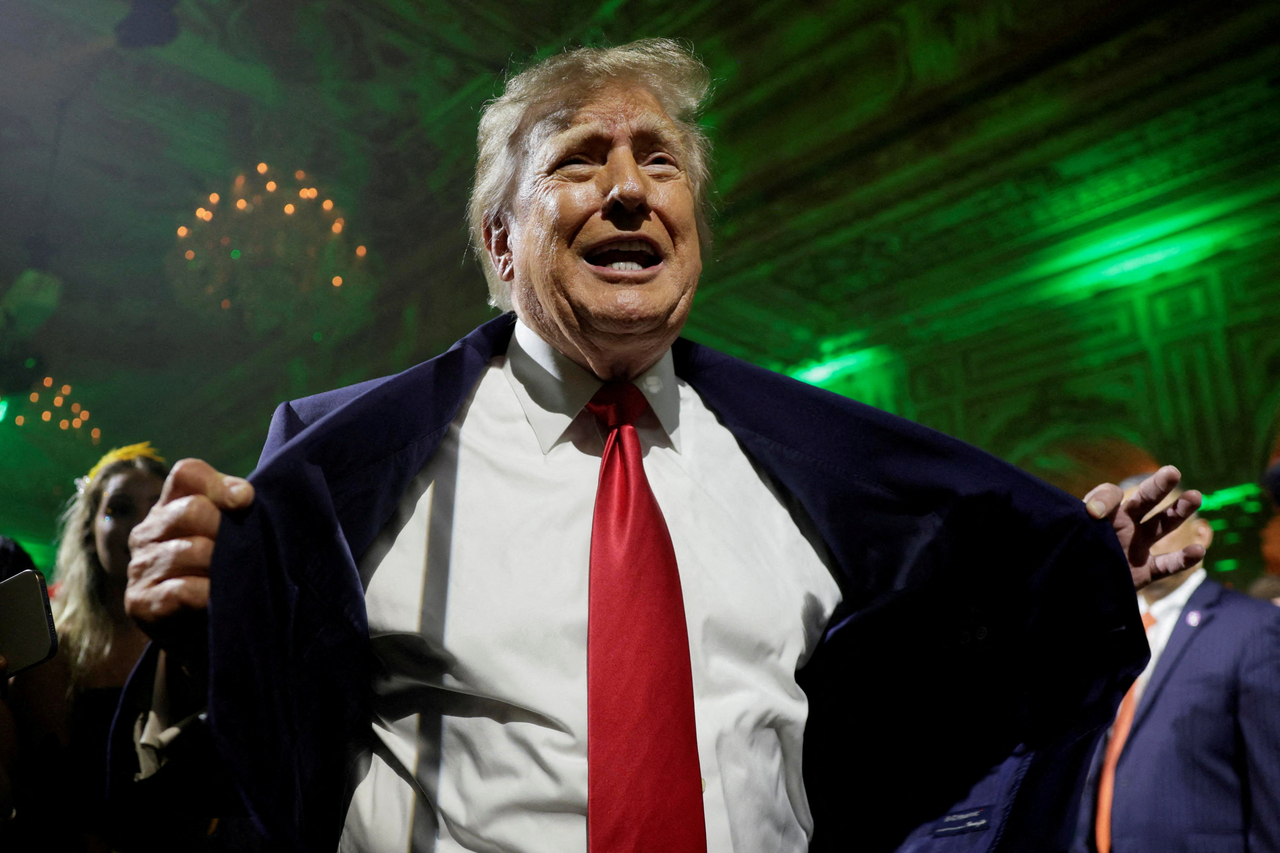
Whether this midterm will repeat the historical pattern of post-election stock gains remains uncertain, however. A significant portion of the Trump administration's core economic policies are being pursued through presidential executive authority rather than congressional legislation.
Morgan Stanley has argued that even if Democrats take the House or both chambers, the overall direction of US policy may not change dramatically. Tariffs and trade policy, the bank noted, can largely be advanced by the executive branch within the limits set by law and judicial constraints.
In other words, a Democratic majority in Congress would not entirely strip Trump of his policy-making momentum.
Fiscal policy is another variable. A Democratic-controlled Congress could make large spending increases harder to pass, but it could also intensify political battles over the budget and the debt ceiling — potentially introducing fresh uncertainty for both the government bond market and equities.
There are also counterarguments to the idea that divided government reliably lifts stocks.
US Bank Wealth Management compared the S&P 500's average three-month return under different political configurations since 1948 and found that unified government — one party controlling both the White House and Congress — produced an average return of 2.42 percent, while divided government yielded 2.17 percent. The difference, however, was not statistically significant.
That finding underscores how difficult it is to predict market direction from the political landscape alone. Economic conditions at the time of the election, along with interest rates, inflation and corporate earnings, can all shape how stocks move.
In practice, Wall Street is paying as much attention to AI investment trends, corporate earnings and employment data as it is to the midterm results.
According to Reuters on Friday, US markets were already contending with shaky investor sentiment following disappointing earnings from AI-related companies, even as the midterms, major tech earnings reports and jobs data all loomed. Concerns about the profitability of massive data center investment have pushed AI-sector earnings to the forefront as a key variable for market direction.
German asset manager DWS said in a report on Sunday that what matters more than the election outcome itself is the gap between what markets have already priced in and what actually happens. If the possibility of Democrats reclaiming the House is already largely reflected in share prices, the actual result — even if it matches expectations — may produce only a muted market reaction.
Dennis Chisem, director of quantitative strategy at Fidelity, similarly argued that corporate earnings, investment trends and broader economic conditions have a greater long-term influence on stock performance than election results.
A midterm defeat could be a political crisis for Trump, but Wall Street increasingly views it as not necessarily a crisis for stocks. Historical data, too, suggest that economic conditions and corporate earnings after the vote may matter more for market direction than which party comes out on top.
sjy@heraldcorp.com