GOP and allied groups aired transgender-related attack ads 217,000 times
Ad spending up 21% from same point in 2024 presidential race
85% of voters cite economy as top issue; only 12% cite transgender policy
Party bets culture war can rally base amid economic discontent
With US midterm elections approaching, Republicans have poured more than $183 million into campaign advertisements attacking LGBTQ-related policies. Even as American voters say their top concerns are high prices and the cost of living, the Republican Party has chosen to focus its messaging on criticizing transgender policy — a strategy widely seen as an effort to mobilize the conservative base by appealing to cultural grievances amid growing economic discontent.
According to the AP, the Republican Party and allied political groups spent approximately $183 million on television advertisements criticizing transgender-related policies through Sunday. The figure, compiled by ad-tracking firm AdImpact, covers roughly 217,000 airings of such ads nationwide. That represents an increase of about 21 percent from the $151 million spent on comparable advertising at the same point during the 2024 presidential election. The Democratic Party spent approximately $11 million on related ads, most of it in response to Republican attacks.
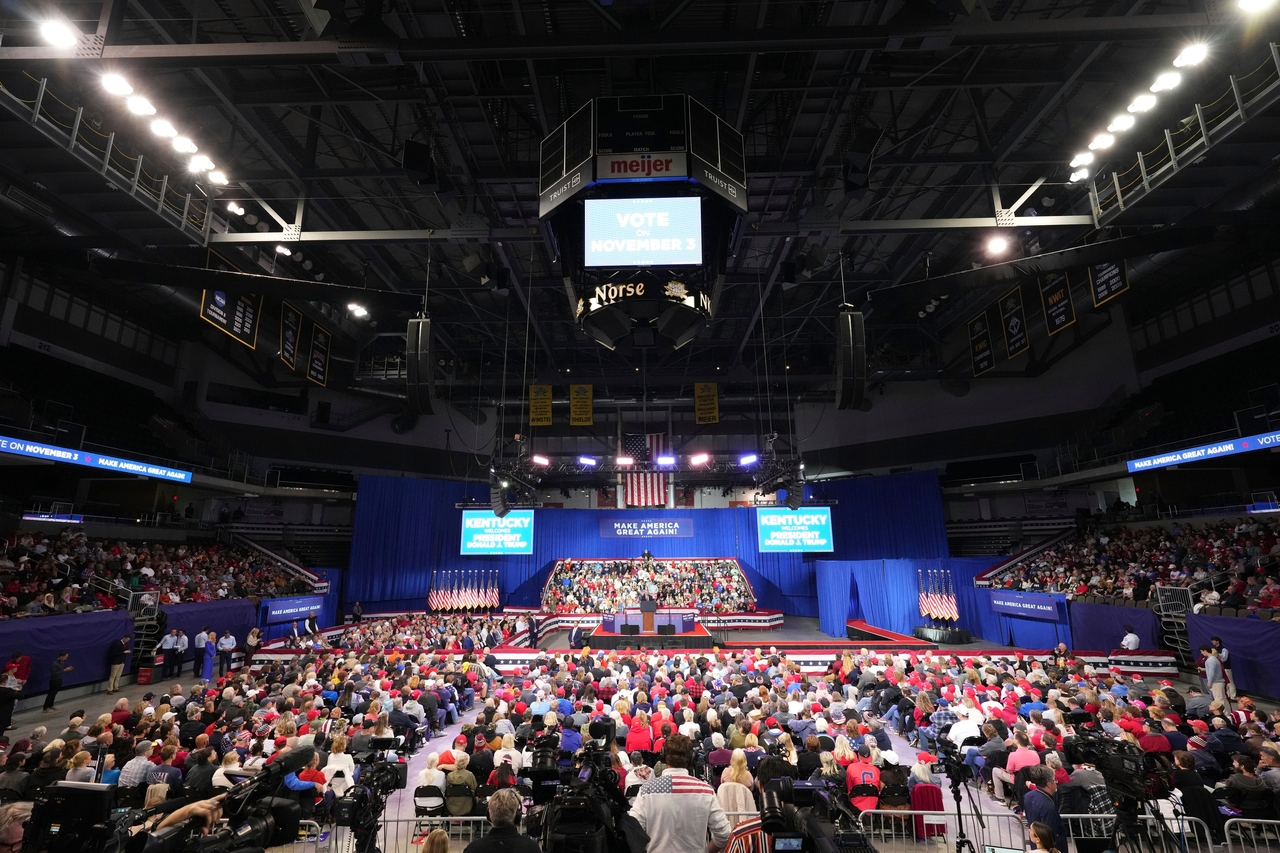
Republicans' focus on LGBTQ issues comes as voter frustration over the economy continues to mount. President Donald Trump has played down concerns about surging gasoline prices and the cost of living while hammering Democratic transgender policy. At a rally in Corinth, Mississippi, on Monday, Trump attacked Democratic transgender policy within the first five minutes of remarks. At a Florida rally the previous day, Trump repeatedly raised the participation of transgender women in women's sports and the issue of gender-transition medical care for minors.
Republicans are using these issues to reinforce their argument that Democrats are out of step with mainstream voters' values — particularly in conservative-leaning areas, where spotlighting LGBTQ issues is seen as a way to drive turnout among the existing base.
In practice, Republican ad spending has been concentrated in competitive Senate battlegrounds. Texas has received the largest share of the investment. Republicans spent approximately $58 million on transgender-related ads in the Texas Senate race, with those spots airing more than 50,000 times — meaning roughly two out of every 10 ads broadcast in that race touched on transgender issues.
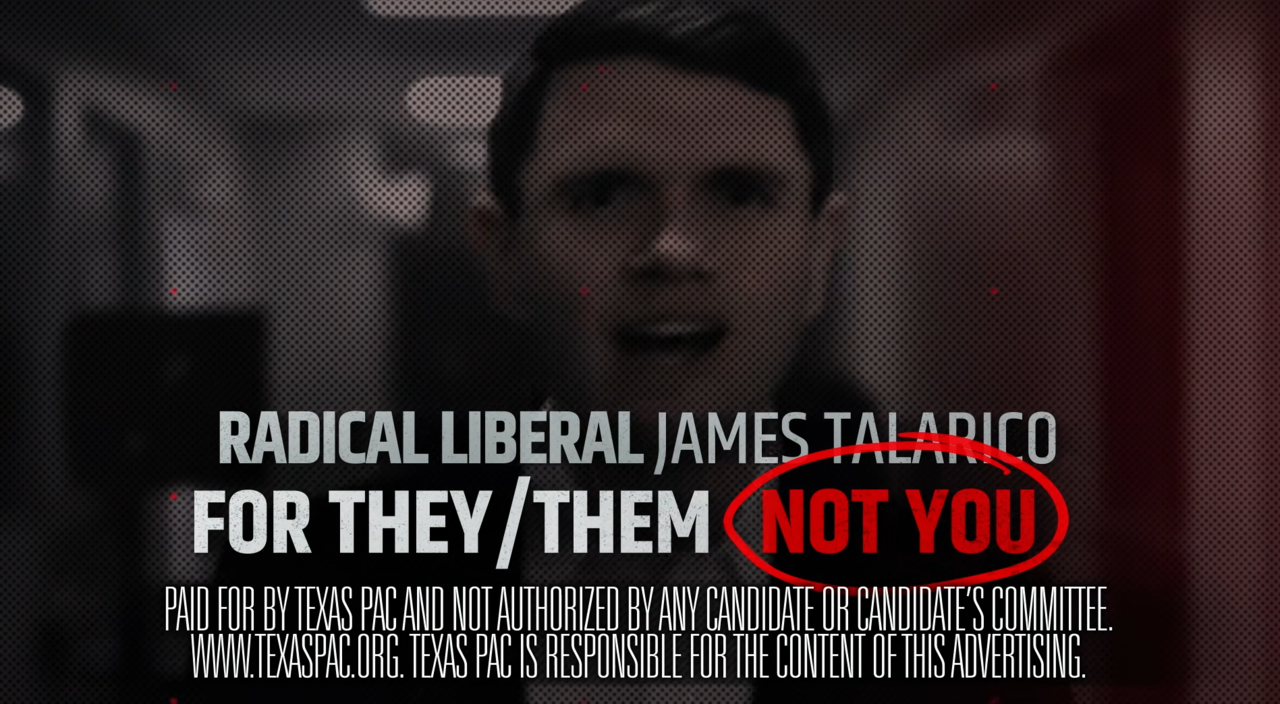
Texas PAC, a political action committee backing Republican candidate Ken Paxton, has run a heavy barrage of ads targeting Democratic candidate James Talarico. Some ads claim Talarico supports using taxpayer money for gender-transition surgeries for minors. One spot declared, "If you care about your children, don't vote for James Talarico." That ad aired approximately 17,000 times at a cost of more than $23 million. Talarico, however, has publicly stated opposition to gender-transition surgeries for minors.
In Ohio, Republicans spent approximately $26 million targeting Democratic Senate candidate Sherrod Brown, with ads claiming Brown supports gender-transition surgeries for minors or would allow transgender women to compete in women's sports. PolitiFact, the US political fact-checking organization, rated one of those ads as false. Brown's campaign also rebuffed the ads, saying the claims were inaccurate and amounted to an attempt to distract voters from economic issues.
The Republican ad offensive has spread to other states, including Kansas and South Carolina. In the Kansas Senate race, roughly $7 million was spent to air related ads approximately 7,000 times. South Carolina saw more than $5 million invested in similar advertising.
What stands out is that the LGBTQ issues Republicans have invested so heavily in are far from voters' top concerns. A survey of 1,119 American adults conducted by the AP and the University of Chicago's NORC Center for Public Affairs Research from Oct. 8 to Oct. 12 found that 85 percent of respondents named the economy as one of the most important issues in this election. Eighty-four percent said the cost of living was important. Healthcare followed at 69 percent, and the war with Iran at 64 percent. By contrast, only 12 percent said transgender-related issues were important to them.
Even as American voters remain focused on the economy and war, Republicans are channeling enormous campaign resources into LGBTQ issues. The calculation behind the strategy appears to be that a candidate's stance on transgender policy can serve as a proxy for voters assessing that candidate's broader values.
Republican pollster Chris Wilson said the party "believes this issue reveals a cultural disconnect between Democratic candidates and a large share of voters." Wilson added that this does not mean transgender policy is itself a top voting issue. "What it means is that voters can use a candidate's position on this to gauge that person's overall values and judgment," Wilson said.
Republicans leaned heavily on anti-LGBTQ advertising during the 2024 presidential election as well. At the time, the Trump campaign targeted then-Democratic candidate and former Vice President Kamala Harris with messaging that Harris was overly focused on LGBTQ policy. The same playbook appears to be in use in this midterm cycle — an effort to prevent economic discontent from turning into a referendum on the Republican Party.
Whether the strategy will actually persuade undecided voters remains uncertain. Wilson said the more interesting question "is not why Republicans are running these ads, but whether these ads are still persuading someone — or whether they're just reinforcing the views of voters who already think that way." Wilson added, "Those are very different things, and the fact that you spent $100 million on ads doesn't tell you which one it is."
sjy@heraldcorp.com