Ahead of broader financial sector security review Thursday
Virtual asset industry put under early scrutiny
Cold wallet storage ratio increase among topics discussed
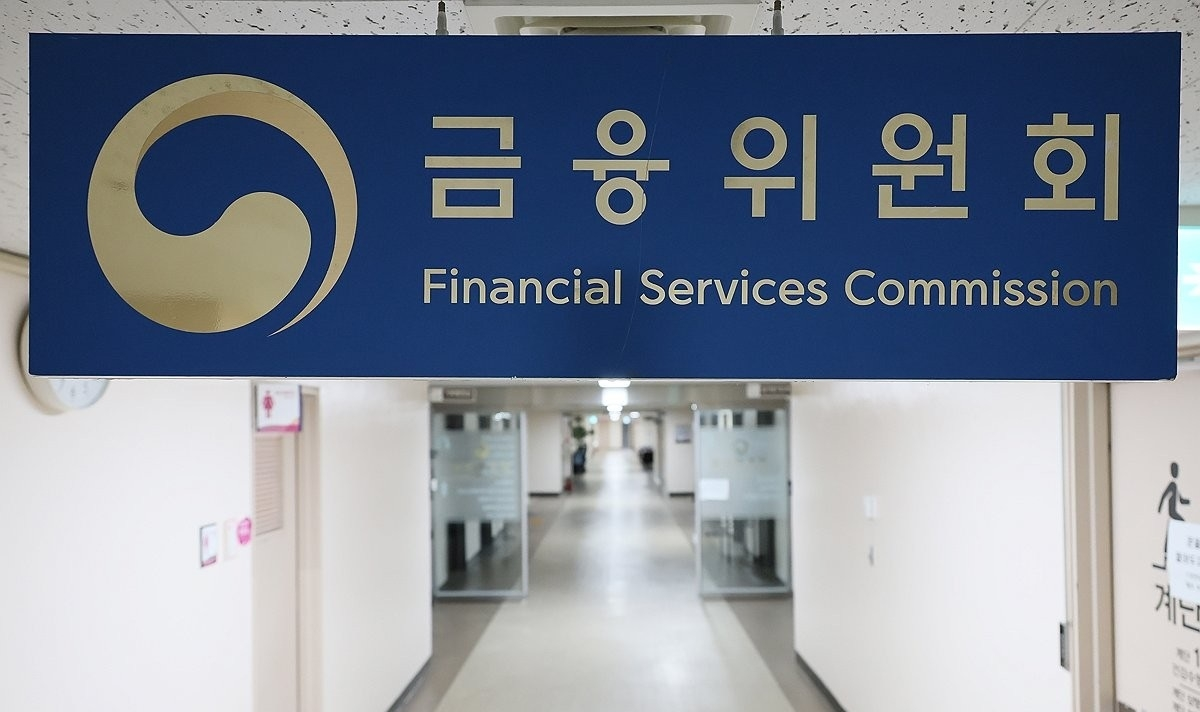
South Korea's financial regulator convened an emergency meeting with domestic cryptocurrency exchanges Monday after a hack at Binance — the world's largest virtual asset exchange — drained some $6.4 billion in assets. The Financial Services Commission called the session ahead of a broader financial sector security review scheduled for Thursday, seeking a separate, early look at how the virtual asset industry is prepared to respond to large-scale cyberattacks. The urgency grew after the FBI formally attributed the Binance hack to North Korea, and as a string of domestic security incidents at crypto platforms continued to mount.
The FSC summoned representatives from won-denominated exchanges — including Upbit, Bithumb and Coinone — as well as coin-market exchanges for a security review meeting that began at 10 a.m. Monday.
"Given the concerns surrounding the Binance incident, we felt it was necessary to check how prepared domestic virtual asset exchanges are," an FSC official said.
The Monday session served as a preliminary check ahead of the wider financial sector security meeting set for Thursday. Officials focused on the Binance incident's progression, the security frameworks of domestic exchanges, and their readiness to protect customer assets, sources said.
One or two working-level officials from each of the five major won-denominated exchanges — Upbit, Bithumb, Coinone, DigitalEx and Gopax — as well as coin-market exchange Foblgate attended the meeting. Discussions were also expected to include raising the proportion of customer virtual assets stored in cold wallets, which are kept offline and isolated from the internet.
Under the current Virtual Asset User Protection Act, exchanges are required to store at least 80 percent of customer virtual assets in cold wallets. In practice, Upbit stores more than 99 percent in cold wallets, Bithumb around 94 percent, and Coinone about 85 percent, while DigitalEx and Streami — the operator of Gopax — are understood to keep figures in the low 80 percent range.
Cold wallet ratios have drawn particular attention because the Binance breach originated in hot wallets — those connected to the internet. According to Chainalysis, attackers illicitly drained roughly $6.4 billion worth of virtual assets from hot wallets Binance operates across multiple blockchains on Thursday. Attackers are believed to have rapidly converted the stolen stablecoins into assets harder to freeze, such as Ether, before dispersing them across thousands of wallets.
Meanwhile, Bithumb suffered a separate incident in which an unauthorized outsider gained access to Daou Office, the company's internal mobile groupware system, exposing the resident registration numbers, bank account details and copies of identification documents of 844 customers. In another case, Prabank had to suspend its service after attackers stole 100 million won ($74,900) in customer assets.
rim@heraldcorp.com
kyoung@heraldcorp.com