If a pending amendment to the tax code passes, the exemption would end in 2027 — two years early
Each electric bus could cost about 35 million won more; the national burden is projected at 139.8 billion won
Incheon alone fears an additional 7.9 billion won hit as it plans to add 178 buses next year
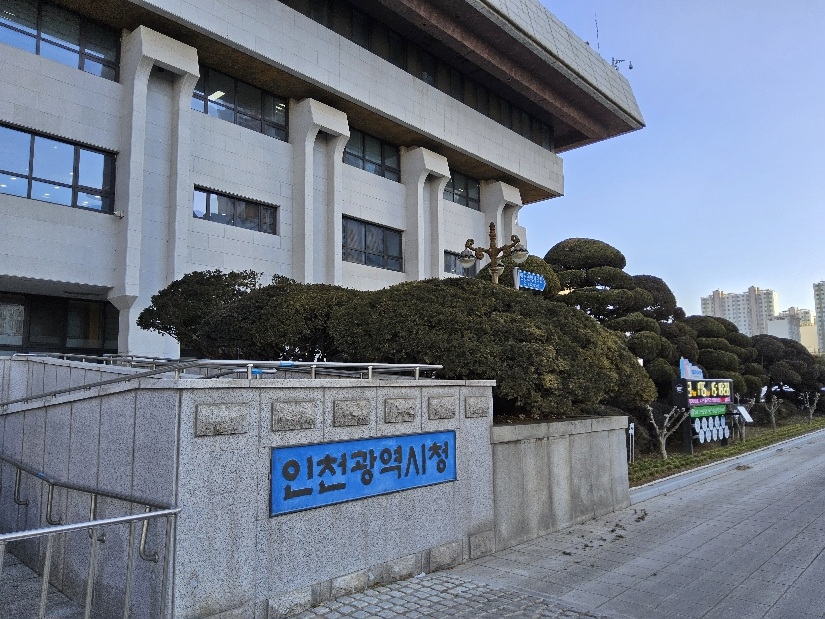
Incheon and 15 other metropolitan and provincial governments across South Korea have joined forces to preserve a value-added tax exemption on eco-friendly city and community buses, after a legislative amendment raised the prospect of an early end to the benefit.
Local governments and the transport industry warned that trimming the tax break — even as the shift to eco-friendly buses remains a core policy goal — would drive up vehicle purchase costs and strain public finances.
Incheon said Thursday it would join all other metropolitan and provincial governments in a joint petition to the central government and the National Assembly, calling for the VAT exemption on eco-friendly buses to be kept in its current form and for expanded national subsidies.
At the center of the push is a government-sponsored amendment to the Restriction of Special Taxation Act currently pending before the Assembly.
Under the existing regime, the supply of eco-friendly city and community buses — including electric and hydrogen-powered vehicles — is exempt from VAT through Dec. 31, 2028.
If the amendment passes, however, the exemption would expire on Dec. 31, 2026, and buses delivered from Jan. 1, 2027 onward would be subject to a VAT charge equal to 10 percent of the vehicle price.
That would add an estimated average of about 35 million won to the purchase cost of each electric bus.
The timing is particularly difficult because production of compressed natural gas buses is set to end next year, making a transition to eco-friendly vehicles effectively unavoidable.
A rise in vehicle prices on top of that shift is expected to place a significant burden on local governments' bus-replacement plans and their broader push to expand eco-friendly public transit.
About 3,500 buses are scheduled for replacement or retirement across the country's metropolitan and provincial governments in 2026.
If the tax exemption ends as the amendment proposes, roughly 4,000 buses nationwide would be affected in 2027 alone, with the total loss of tax benefits estimated at about 139.8 billion won.
Incheon faces a substantial fiscal hit of its own. The city received a total of 28.9 billion won in VAT exemptions on 639 eco-friendly buses in 2024 and 2025.
Should the amendment take effect, the city projects an additional tax burden of about 7.9 billion won when it introduces 178 eco-friendly buses in 2027.
Incheon is particularly concerned because it operates a semi-public bus system, meaning cost increases would not fall solely on transport operators but would ultimately flow through to the city's own budget.
In response, all 16 metropolitan and provincial governments plan to jointly petition the central government and the National Assembly for three measures: halting the government-initiated push to amend the Restriction of Special Taxation Act, maintaining the VAT exemption for eco-friendly city and community buses, and expanding national subsidies for eco-friendly low-floor buses.
Incheon stressed that the issue goes beyond a simple matter of tax support, saying it is directly tied to the transition to an eco-friendly transport system, the conditions under which residents use public transit, and the stable provision of bus services.
"The shift to eco-friendly buses is a core policy for improving residents' quality of life and building a sustainable public transport system," said Ryu Yeong-ryeol, head of Incheon's bus policy division. "We will continue to jointly petition for the necessary policy improvements together with the relevant metropolitan and provincial governments."
gilbert@heraldcorp.com