"Why are they feeding it like that?"
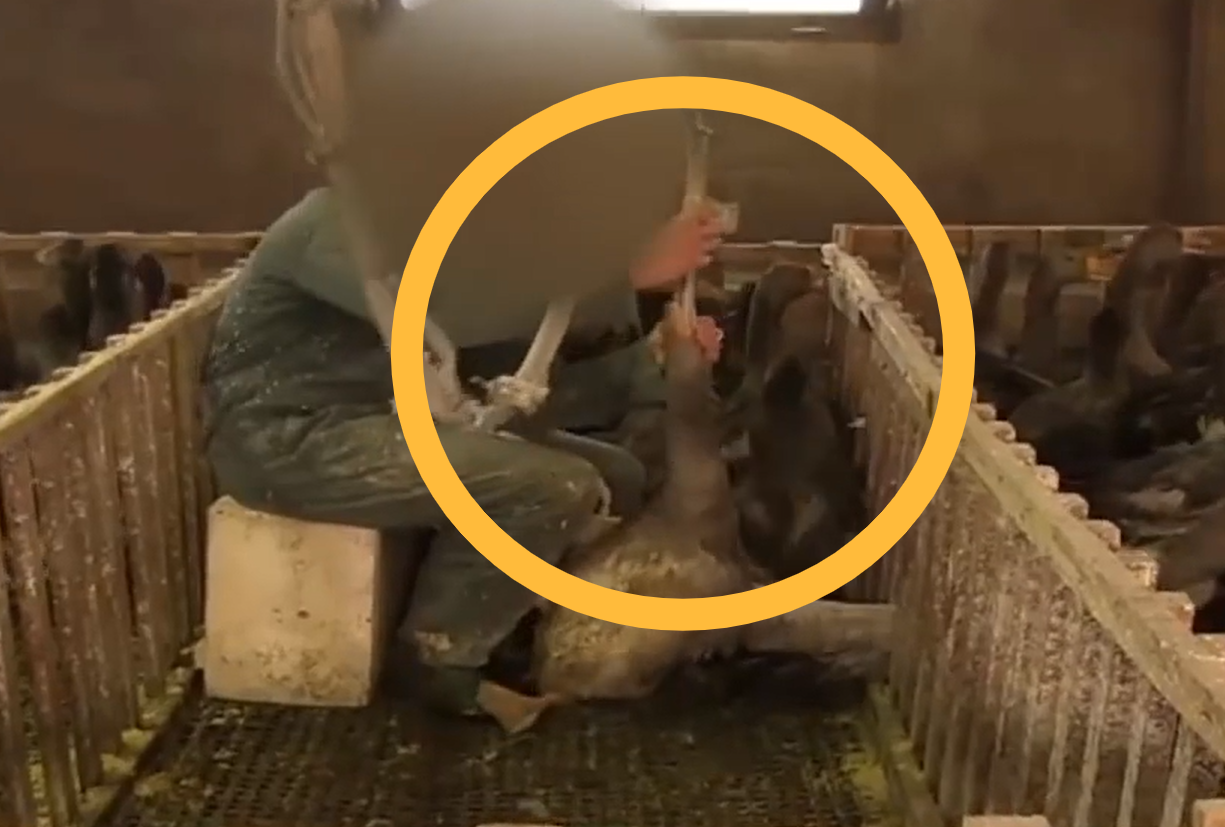
A duck is held in a worker's hands. Its beak is forced open, and a long tube is pushed down its throat. Then an enormous quantity of feed is pumped through the tube.
At first glance, it looks like a sick animal being treated because it cannot eat on its own. The reality is the exact opposite.
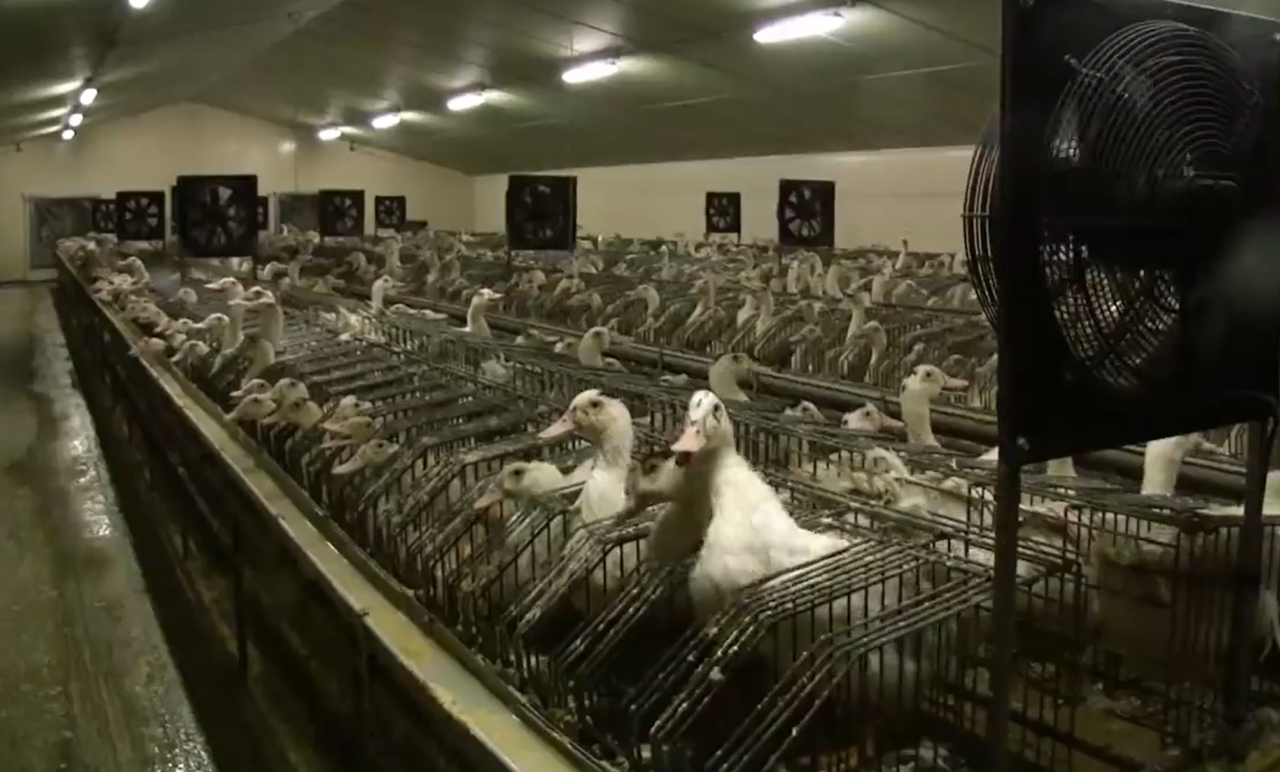
The process is designed to rapidly accumulate fat in the liver, enlarging it to an abnormal size. The birds are force-fed twice a day for roughly two weeks before slaughter.
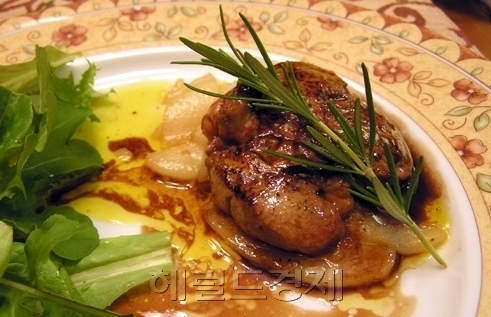
The product of this process is foie gras — one of the world's three great delicacies. Prized for its silky texture and rich flavor, it is considered the domain of gourmands and high-end cuisine.
Yet to produce it, about 20 million ducks and geese are subjected to this grueling practice every year in France alone, the world's primary producer.
As the cruelty behind foie gras production has come to wider public attention, some US states have begun moving to ban the sale of force-fed foie gras. A majority of citizens surveyed have expressed support for such measures.
Foie gras is French for "fatty liver." True to its name, it is made by packing fat into the livers of ducks or geese.
The method is straightforward. A duck or goose is restrained, and a tube is inserted into its beak. A feed mixture — typically corn-based — is then pumped through the tube. The process continues for roughly 10 to 15 days, with the tube inserted twice a day, for a total of 20 to 30 sessions.
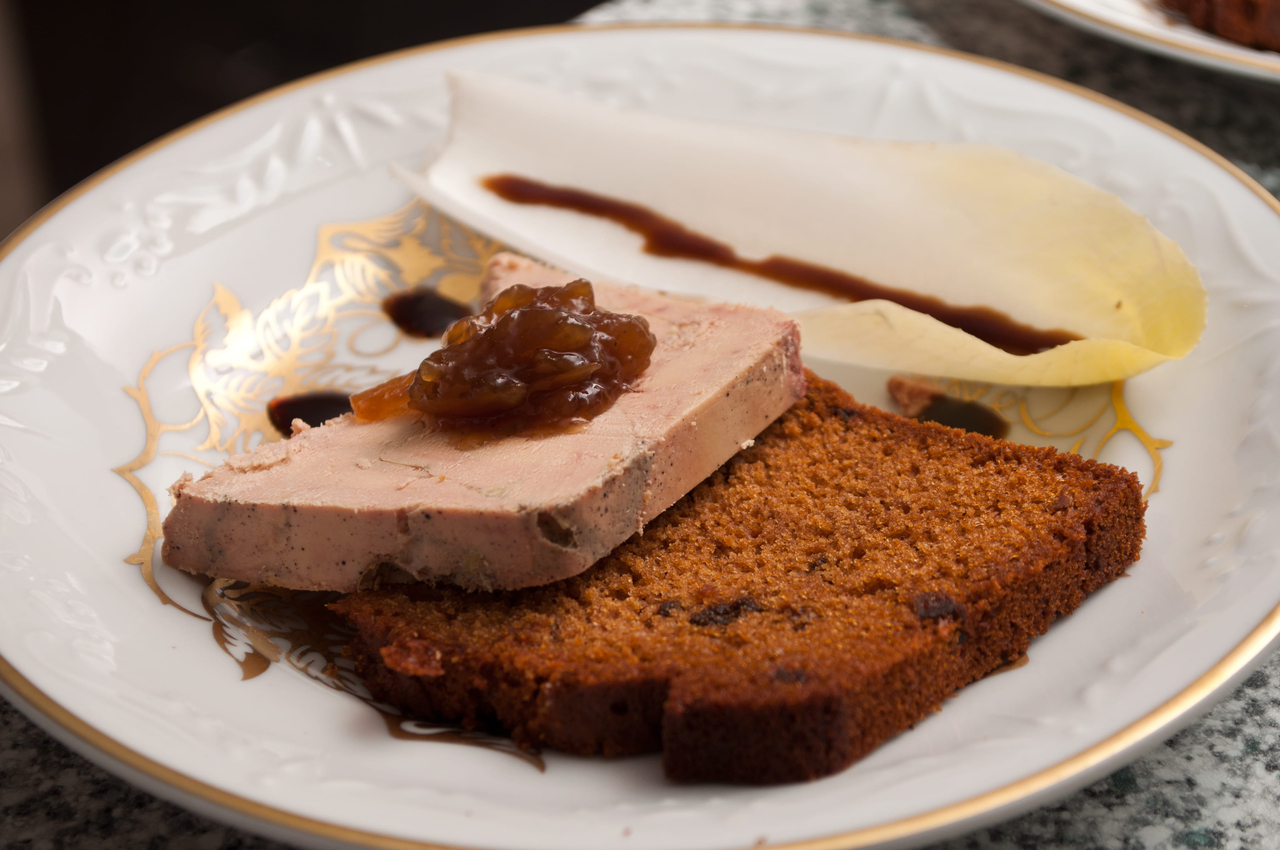
The forced feeding causes fat to accumulate in the liver. Repeated sessions cause the organ to swell, and the resulting enlarged liver — far larger than its normal state — is what ends up on the plate.
The concern is what this process does to the animals' health. A study published in September in the international academic journal Animals found that force-feeding can cause lesions in the esophagus of ducks and geese, and that the enlarged liver can impair the birds' ability to move.
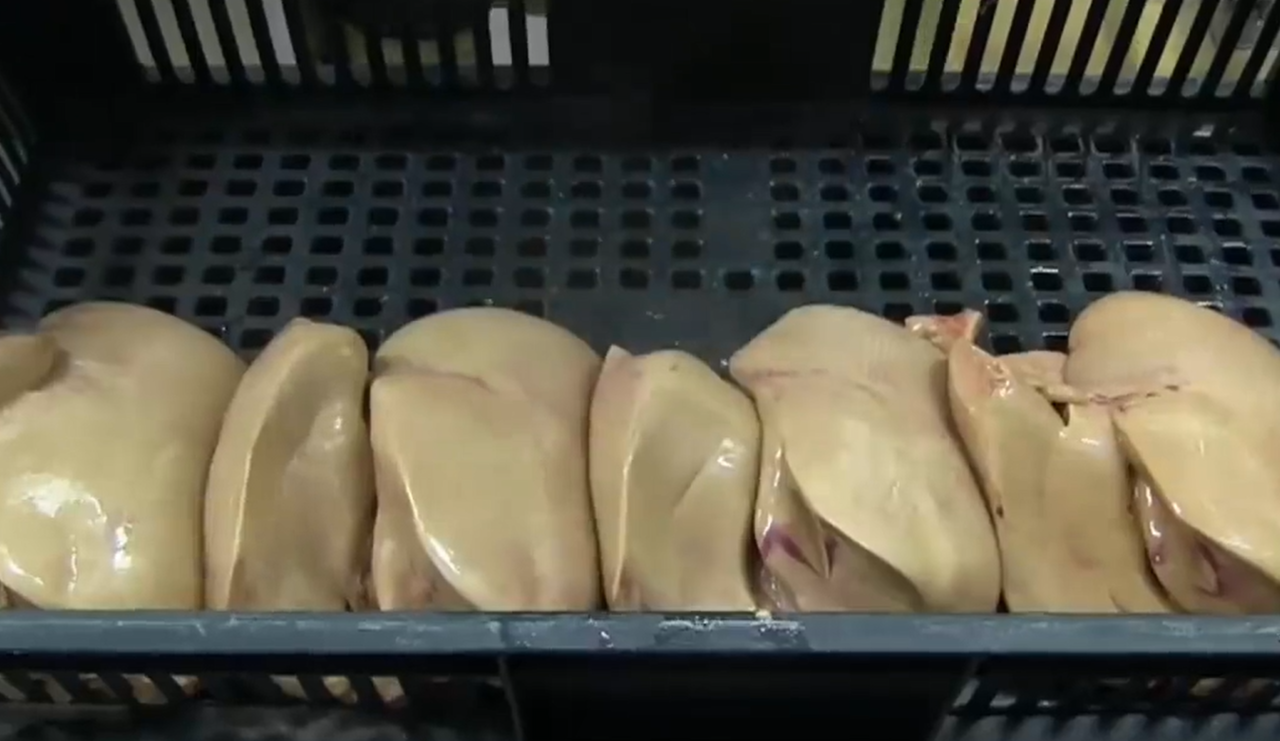
Repeated tube insertions, physical restraint and rapid weight gain can all harm animal welfare, the research found. These concerns are not new. The EU's scientific committee on animal welfare concluded as far back as 1998 that force-feeding is harmful to the welfare of birds.
Despite this, foie gras continues to be produced at scale. According to France's Ministry of Agriculture 2025 agricultural statistics, about 23.78 million ducks and about 66,000 geese were raised for foie gras in France last year.
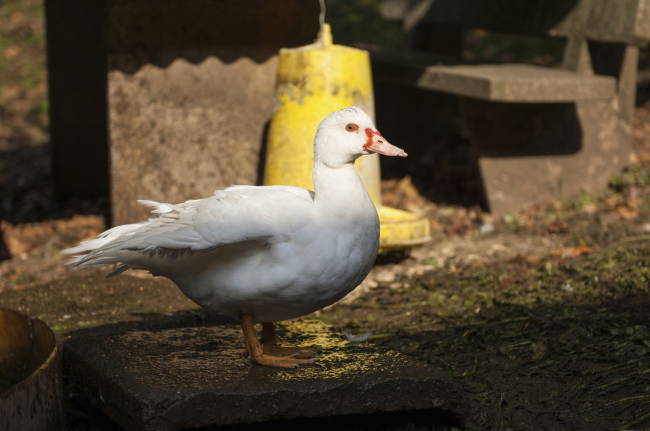
Combined, that comes to about 23.85 million birds — meaning nearly 24 million ducks and geese are used for foie gras production in France alone each year. France regards foie gras as part of its traditional food culture; French law explicitly designates it as a protected cultural and gastronomic heritage.
Not every country shares that view. On Tuesday, voters in Washington, D.C., and Denver, Colorado, went to the polls on ballot measures to ban the sale of foie gras.
The votes were driven by animal protection groups. Pro-Animal Future, a US animal rights organization, gathered signatures to put the measures on the ballot, arguing that the sale and distribution of foie gras products must be banned to stop the animal cruelty inherent in their production.

In Washington, D.C., organizers collected more than 31,000 valid signatures; in Denver, more than 16,000 signatures were gathered, enough to trigger a public vote in both cities. The results were decisive. About 73 percent of D.C. voters backed the ban, as did about 67 percent in Denver.
Similar moves have emerged in South America. In July, Brazil enacted a nationwide law banning the production and sale of food made through force-feeding, with foie gras explicitly included among the prohibited products. The law is set to take effect in January next year.
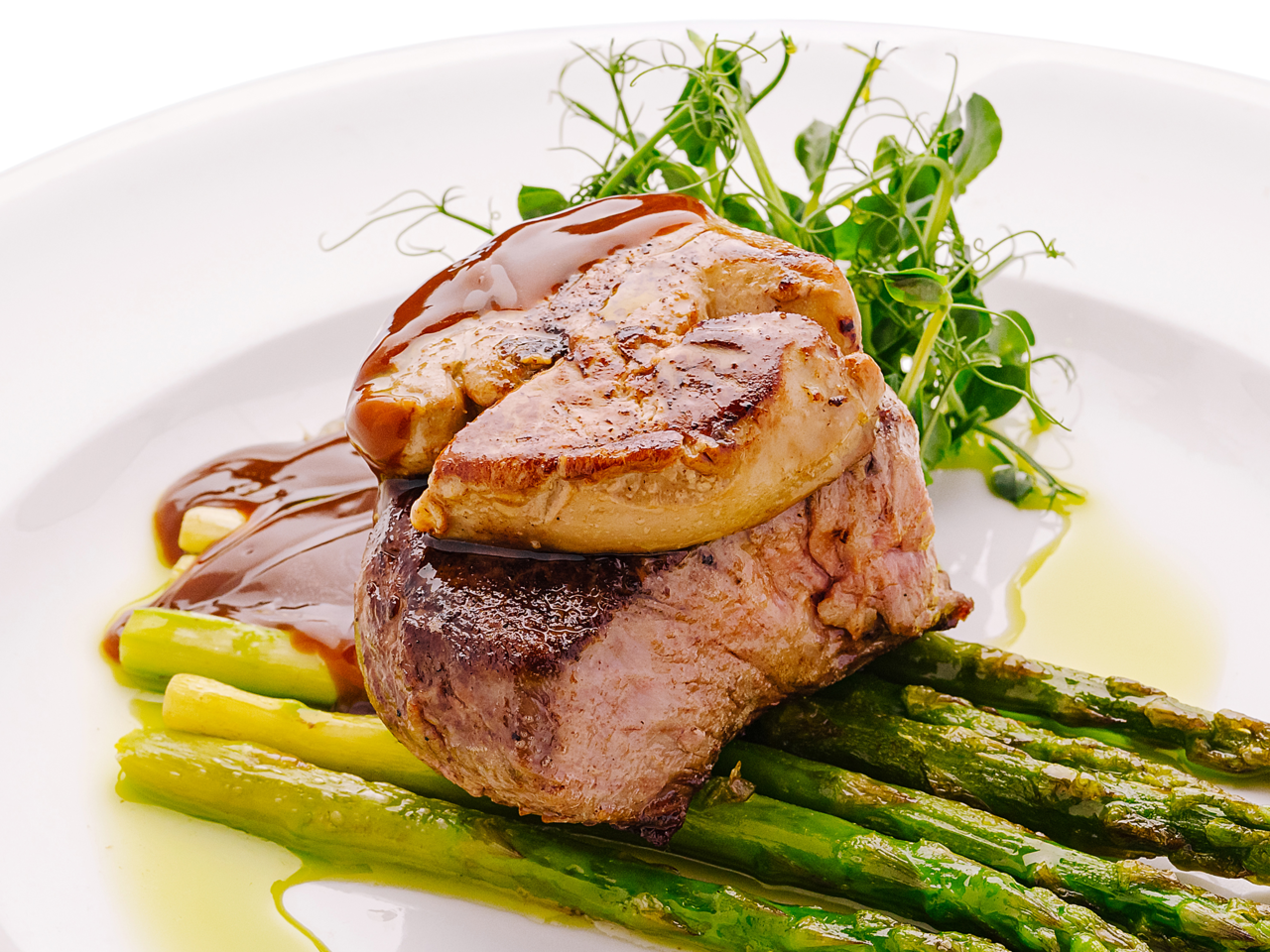
As restrictions on force-fed foie gras spread around the world, the question arises: where does South Korea stand?
Foie gras is not hard to find in South Korea. It appears on menus at upscale restaurants and is also available through online shopping platforms.
At its peak, more than 6 metric tons of foie gras were exported directly from France to South Korea in a single year. An analysis of French customs export data shows that frozen duck foie gras exports to South Korea reached 6,305 kilograms in 2018, followed by 6,227 kilograms in 2019.
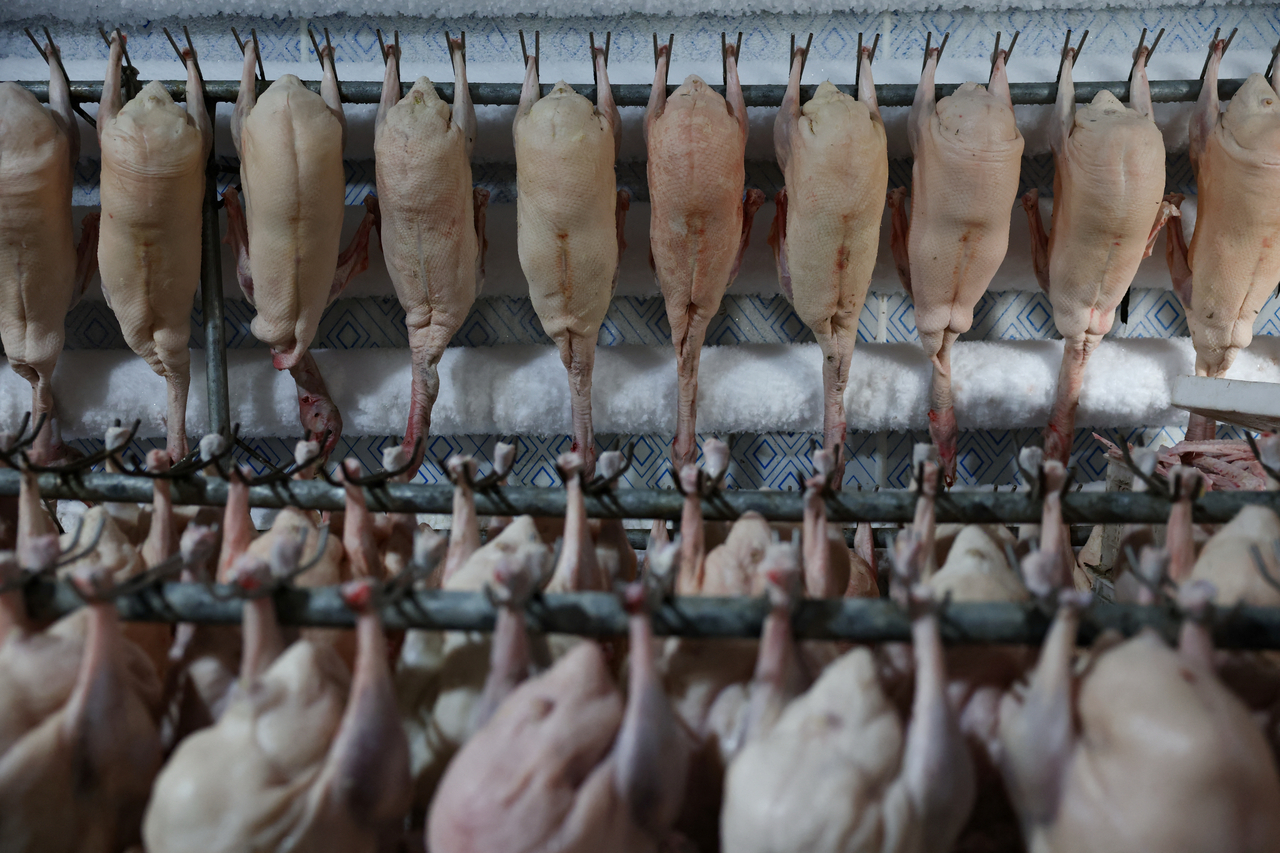
Raw foie gras exports to South Korea have since fallen sharply. A highly pathogenic avian influenza outbreak in France in 2020 prompted the South Korean government to ban imports of French poultry. That has not, however, ended the flow of related products into the country.
Foie gras is sold not only as a raw liver but also in processed forms such as canned goods and pâté. Exports of processed duck and goose liver products from France to South Korea have continued, consistently running at 2 to 3 metric tons per year.
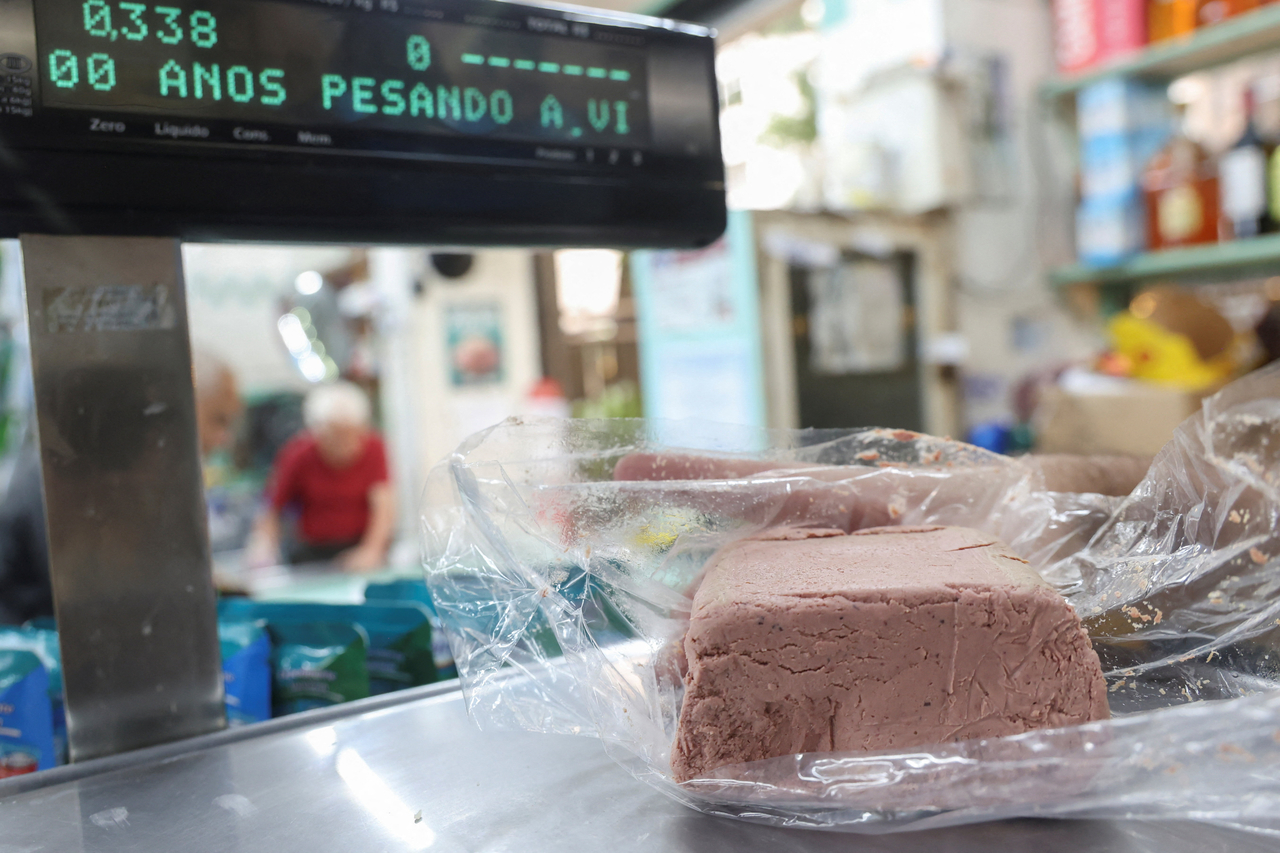
Exports of processed duck and goose liver products from France to South Korea totaled 3,258 kilograms last year, up about 49 percent from 2,186 kilograms the year before and the highest volume in the past five years. While raw foie gras exports have dropped sharply, shipments of processed liver products that may contain foie gras continue unabated.
A new foie gras producer is also emerging on the global stage: China. According to local media reports, China's foie gras output reached as much as 14,000 metric tons last year — seven times the roughly 2,000 metric tons produced a decade ago. Some analysts predict China could eventually overtake France, the world's largest producer.
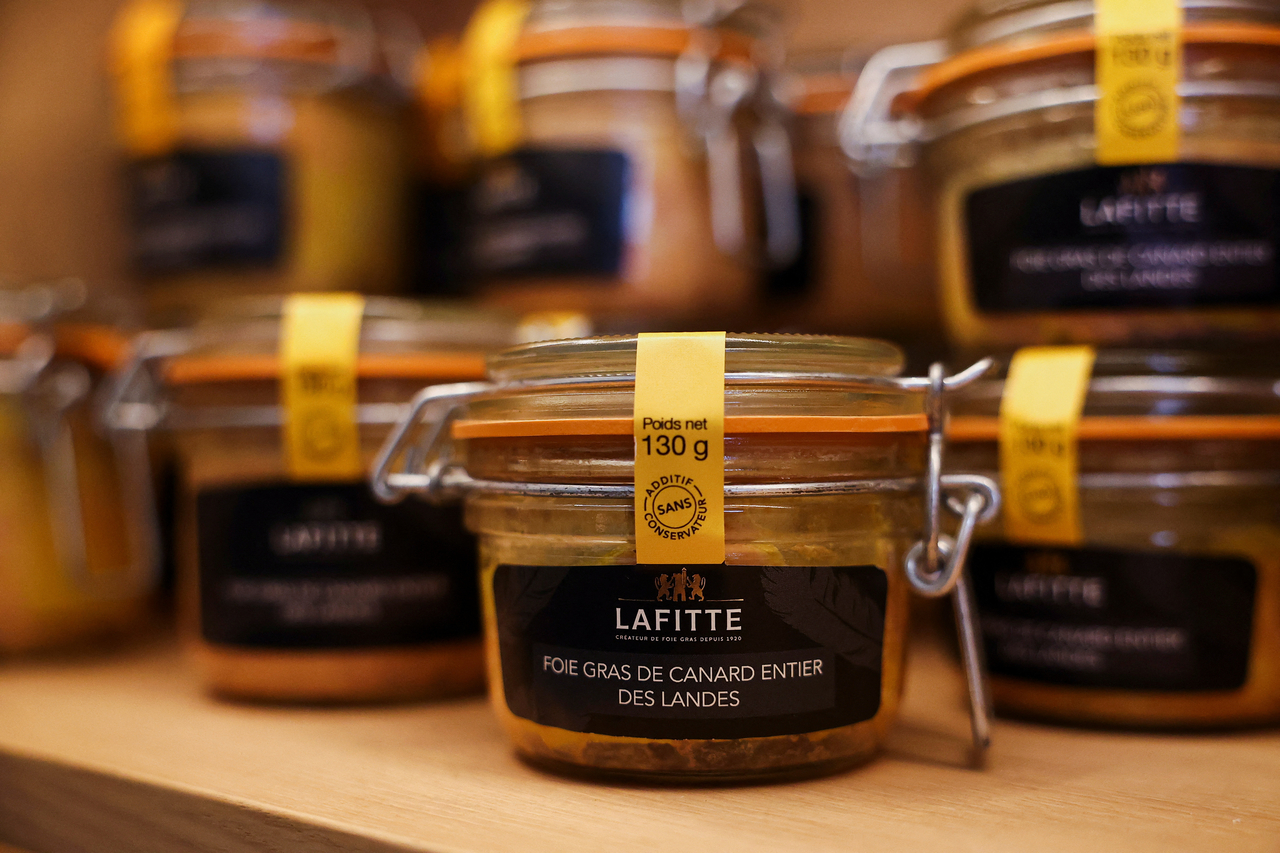
In China, foie gras has moved beyond fine dining and is now used in a wide range of dishes, from fried rice to hot pot. As the domestic market grows, the industry is expanding rapidly. There are concerns that if Chinese-produced foie gras enters the South Korean market at lower prices, domestic consumption could rise as well.
Calls are growing in South Korea to regulate the consumption of luxury ingredients produced through animal cruelty. The Korea Animal Protection Association said in a statement that "ducks and geese suffer serious damage to their throats and internal organs from force-feeding, enduring horrific stress and pain," adding that "all of this constitutes cruel and appalling animal abuse."

woo@heraldcorp.com