Forum in Tokyo addresses international cooperation and role of Korean diaspora
Kyungnam University professor urges Korea to draw lessons from German unification
Even amid strained inter-Korean relations, South Korea should draw on the experience of German unification to prepare for unexpected shifts on the peninsula and secure international cooperation for peace, an expert said Thursday.
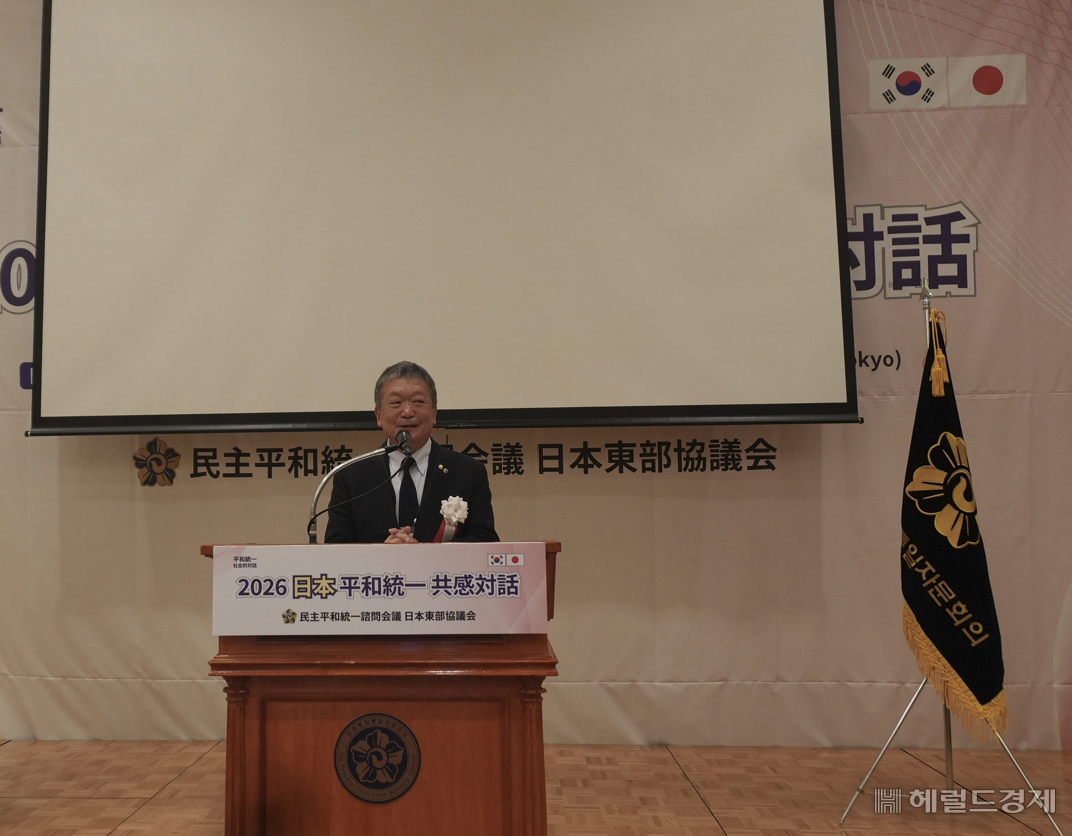
The National Council for Korean Peaceful Unification's Japan Eastern Chapter held the event Thursday at the Rihga Royal Hotel Tokyo as part of its social dialogue series on peaceful unification. Kim Yi-jung, vice chairman of the NCKPA Japan region and chairman of the Korean Residents Union in Japan central headquarters, delivered congratulatory remarks. Han Sang-gyun, consul general at the Korean Embassy in Japan, and Kim Jong-jin, director of the NCKPA's advisory recommendations bureau, also attended.
Cho Jin-gu, a professor at Kyungnam University, delivered the keynote address at the "2026 Japan Peace Unification Empathy Dialogue," highlighting the diplomatic efforts that shaped the German unification process and said Korea must prepare for peace and unification on the Korean Peninsula.
Speaking on the theme of "Peace on the Korean Peninsula and Global Solidarity," Cho said the strategic competition between the United States and China, along with the spread of international conflicts, is affecting the security environment on the Korean Peninsula. Citing Russia's invasion of Ukraine and conflicts in the Middle East, Cho said South Korea must consider how to respond as uncertainty in the international order grows.
Cho also addressed shifts in North Korea's policy toward the South. Cho said conditions surrounding unification have changed since North Korea redefined inter-Korean relations as those between "two hostile states" in December 2023. Cho identified North Korea's military buildup, the breakdown of inter-Korean dialogue, and changing attitudes toward unification among younger generations as factors that must be examined in any discussion of the peninsula's future.
The central message of the lecture, however, was that the current state of confrontation should not lead to conclusions about the prospects for unification. Citing Germany's achievement of unification in less than a year after the fall of the Berlin Wall, Cho said the Korean Peninsula could also see unexpected change, and that preparations must continue.
Cho particularly drew attention to the diplomatic efforts during the German unification process to align the interests of and secure support from the United States, the Soviet Union, Britain and France. Cho said South Korea must work to win the understanding and cooperation of the international community in order to prevent military conflict between the two Koreas and create conditions for peaceful unification.
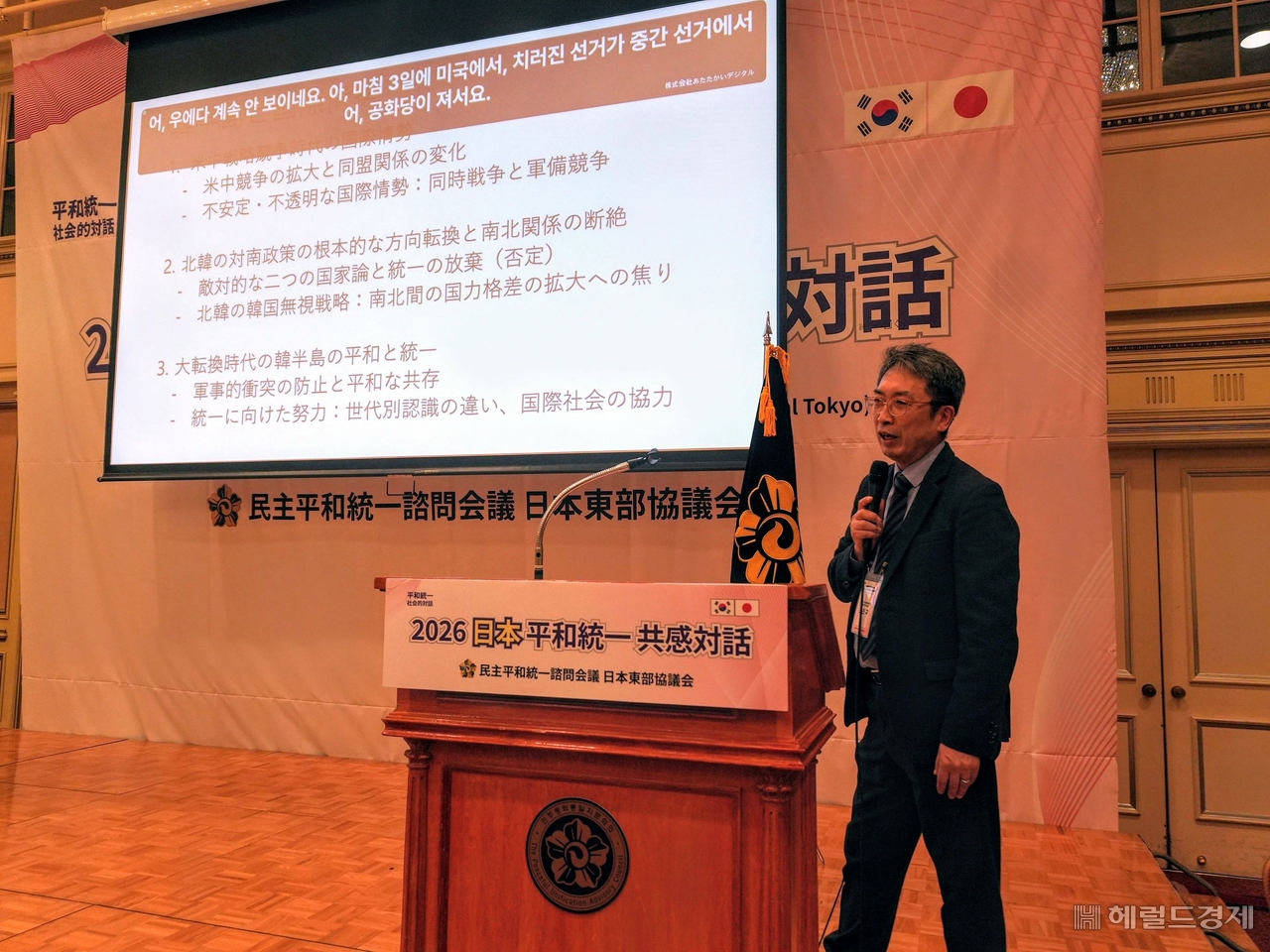
The event combined the keynote lecture with roundtable discussions in which participants shared their views directly. The discussions centered on two themes — "The Korean Peninsula and Me" and "The Korean Peninsula and the Korean Diaspora" — exploring how the situation on the peninsula looks from abroad and what actions the Korean community in Japan can take.
The dialogue aimed not to bring all participants to the same conclusion but to help them understand the backgrounds behind differing views. After the roundtable discussions, participants shared what each group had discussed and explored ways to translate their shared commitment to peace and unification into community action.
sjkim@heraldcorp.com