China asked Japan to revive Abe's conciliatory approach
Takaichi pressed Beijing for 'responsible behavior' instead of economic cooperation
Taiwan dispute keeps Sino-Japanese relations frozen
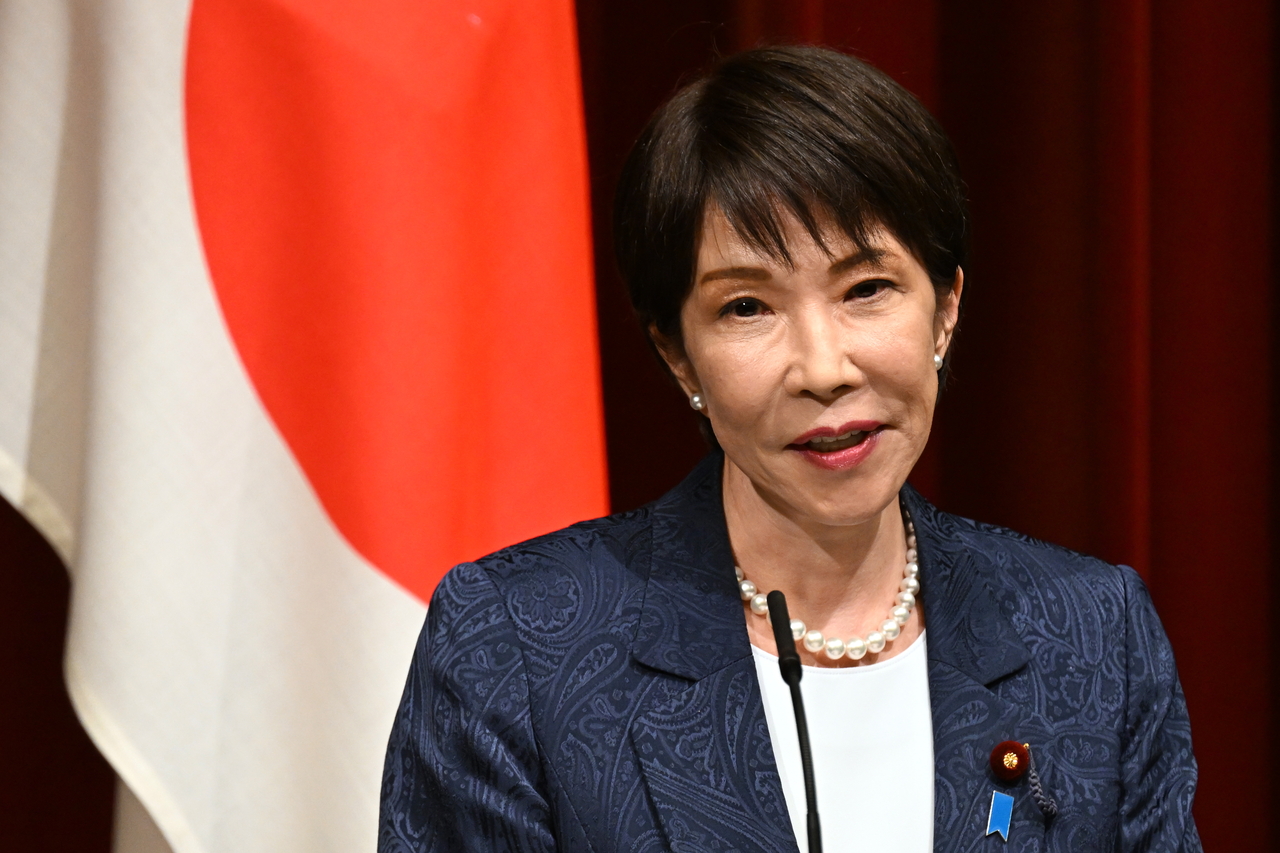
China asked Japan to revive the conciliatory approach toward Beijing that former Prime Minister Shinzo Abe had pursued, in a bid to repair strained bilateral ties — but Prime Minister Takaichi Sanae declined, according to reports.
Japan's Mainichi Shimbun reported Saturday that the Chinese government conveyed a message to Japanese government officials ahead of Takaichi's policy speech to an extraordinary session of the National Assembly on Oct. 5, urging Tokyo to return to the policy direction of the Abe era.
The precedent China pointed to was Abe's 2014 parliamentary address, in which the former prime minister expressed his intention to build a friendly relationship with China and helped open the door to improved bilateral ties.
Relations between the two countries had deteriorated sharply following the Japanese government's nationalization of the Senkaku Islands — claimed by China as the Diaoyu Islands — in 2012, and Abe's visit to Yasukuni Shrine the following year.
In his September 2014 parliamentary speech, Abe avoided touching on sensitive bilateral issues and instead emphasized building a stable, friendly relationship. He also signaled his intention to hold an early summit with Chinese President Xi Jinping.
That November, a summit between Abe and Xi took place in Beijing, providing the impetus for a turnaround in relations.
The current chill in Sino-Japanese ties traces back to remarks Takaichi made in the National Assembly in November last year, when she suggested Japan could exercise the right to collective self-defense in the event of a Taiwan contingency. China interpreted the comments as interference in the Taiwan issue — a core national interest — and pushed back sharply. Relations have remained cold since, with no clear path to improvement.
China's renewed focus on a Japanese prime minister's parliamentary address is seen as an attempt to replicate the approach that worked with Abe. With the Taiwan-related standoff stretching close to a year, Beijing appears to have begun looking for an opening to restore ties.
Japan's prime minister's office also read China's overture as a signal toward reconciliation. Officials reportedly considered incorporating language into Takaichi's speech that would echo Abe's policy direction and reflect a willingness to expand economic cooperation.
Takaichi, however, rejected that approach and revised the speech accordingly.
The address as delivered contained only a broad statement of principle: that Japan would "comprehensively advance a mutually beneficial relationship based on common strategic interests, built on the long history between the two countries."
Rather than extending an olive branch, Takaichi raised China's economic pressure measures — including export restrictions on critical minerals — as well as human rights concerns, and said Japan would "strongly demand responsible behavior" from Beijing.
The contrast with Abe's approach, which sidestepped sensitive issues in favor of emphasizing goodwill, was stark.
The Mainichi Shimbun reported that after the speech, a Chinese government official expressed dissatisfaction to a Japanese counterpart, indicating that Takaichi appeared to have no intention of improving relations with China.
China has kept the door open to a rapprochement given its own need for economic cooperation with Japan, but analysts say Beijing is unlikely to take the initiative in actively seeking reconciliation as long as the Taiwan issue remains unresolved.
That dynamic helps explain why, even as the Xi Jinping leadership maintains a hard line toward Takaichi, other Chinese officials have continued to describe Japan as an "important economic and trade partner."
The two countries are deeply intertwined economically, and a prolonged diplomatic standoff would impose growing costs on both sides. With supply chains in key industries such as semiconductors and automobiles closely linked, minimizing the impact of political and security tensions on economic cooperation is a shared challenge for both governments.
The Mainichi Shimbun said China is preparing for the possibility of a prolonged freeze in bilateral relations while seeking to limit the damage to its economic ties with Japan.
boo@heraldcorp.com