tvN pushes ahead with Dec. 7 premiere of 'Signal' sequel; past cases show broadcasters' dilemma over cast controversies
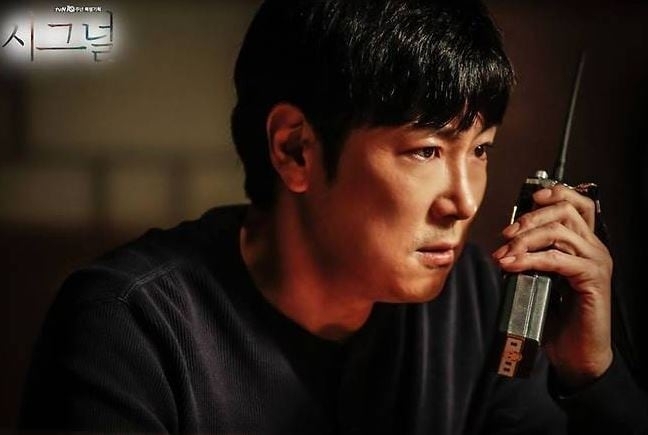
The tvN drama series "Signal" sequel, whose premiere had been indefinitely postponed over lead actor Jo Jin-woong's past conduct, will finally air. Amid widespread attention over how the broadcasting industry — where pre-production has become standard — would handle a prolonged scheduling freeze caused by a cast member's controversy, the production team chose to press ahead with the original cut rather than reshoot or scrap the series.
tvN announced Friday that it will air the sequel, titled "The Second Signal," as a Monday-Tuesday drama series beginning Dec. 7 at 10 p.m. Episodes 1 and 2 will run back-to-back on the premiere night, with Episode 1 slightly trimmed and adjusted, followed by Episode 3 on Sunday. The series will then air one episode per week every Monday and Tuesday.
"The wrongful past conduct of a particular cast member is something we as a channel cannot take lightly," tvN said in a statement. "However, 'The Second Signal' is not the work of one individual. It is a collective creation carrying the time and effort of many staff members, crew and all those involved, from the planning stage through filming and post-production." The network said it was necessary to distinguish between judgments about an individual cast member and the value of the work itself and the efforts of its creators.
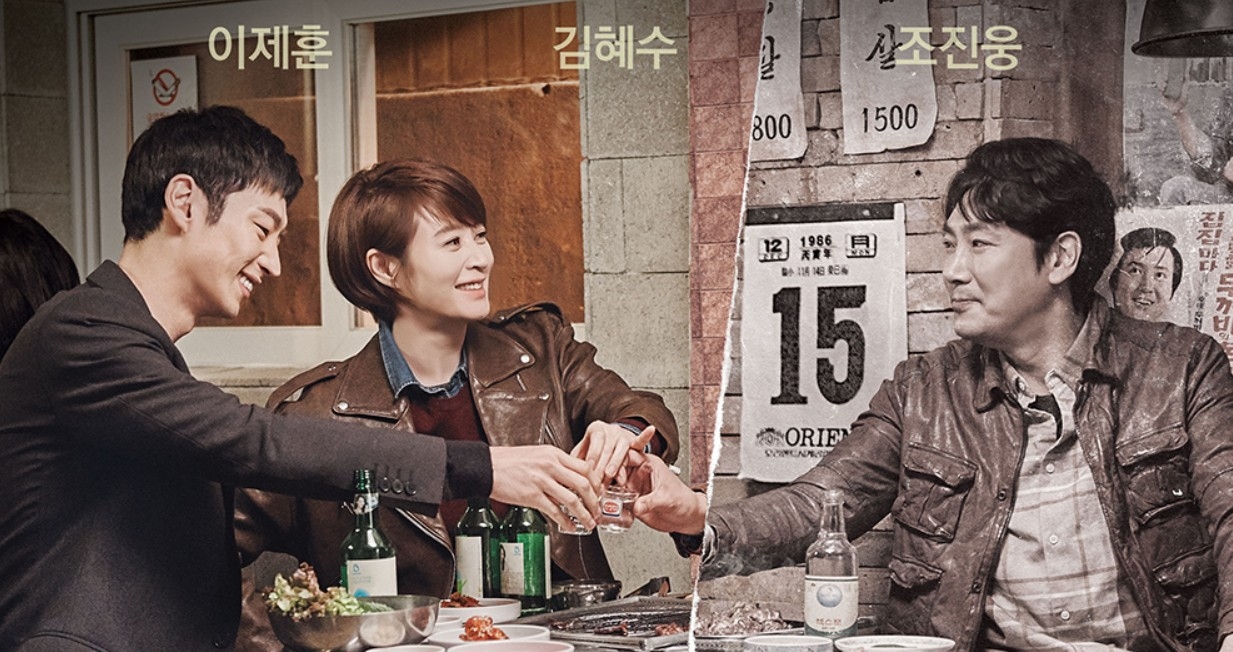
"The Second Signal" is the sequel to the 2016 tvN drama series "Signal." Written by Kim Eun-hee, it reunites key cast members from the original, including Kim Hye-su, Lee Je-hoon and Jo Jin-woong. Originally targeting a first-half 2026 broadcast, the series was put on hold after reports emerged last December about Jo's past record as a juvenile offender. Jo acknowledged the wrongdoing and announced retirement from the entertainment industry.
In the already-completed series, Jo's character — Detective Lee Jae-han — is central to the story. Because removing his scenes or recasting the role would be structurally difficult, debate over whether to air the series had continued.
From recasting to full reshoots: how broadcasters have responded
Cast controversies derailing a production's release have recurred across the Korean drama industry. Broadcasters and production companies have responded differently depending on when the controversy arose and how prominent the actor's role was.
One of the most prominent cases involved the 2021 KBS2 drama series "River Where the Moon Rises." When actor Ji Soo faced school-bullying allegations in the role of male lead On-dal, he was removed from the production — at a point when filming was more than 95 percent complete. The production brought in Na In-woo as a replacement and reshot Ji Soo's scenes. Episodes 1 through 6, which had already aired, were also refilmed, and the original footage was replaced in on-demand streaming services.
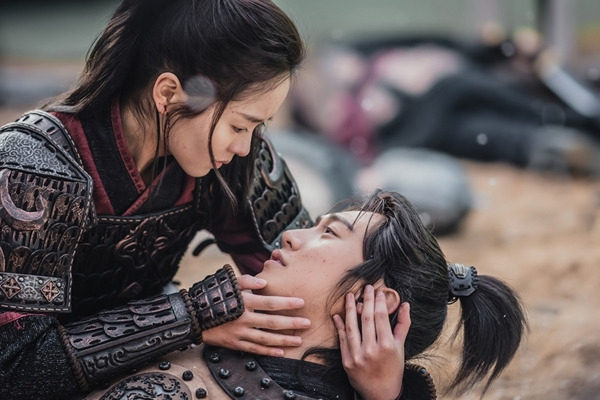
The production completed the series without suspending broadcast, relying on recasting and reshoots. The drama maintained viewership ratings in the 9 percent range and performed competitively in the Monday-Tuesday time slot, though the reshoots inevitably added to production costs and scheduling pressure.
The SBS drama series "Taxi Driver" also replaced a cast member following controversy. Ahead of its 2021 broadcast, allegations of bullying involving former April member Lee Na-eun surfaced, and the production removed her, bringing in Pyo Ye-jin instead. After reshooting the relevant scenes, the series aired as scheduled and drew strong early ratings — 10.7 percent for its first episode and 13.5 percent for its second.
Both productions continued airing by reshooting or replacing the scenes involving the actors at the center of the controversy. "River Where the Moon Rises," however, had to recast its male lead when filming was nearly finished, while "Taxi Driver" made its cast change at a comparatively early stage of production.
Shelved for years: 'Dear.M' and 'Fly High Butterfly' left in limbo
Productions where recasting was not feasible, or where controversies remained unresolved, were sometimes shelved for extended periods. The KBS drama series "Dear.M" had its premiere canceled on the eve of its first broadcast after school-bullying allegations arose against Park Hye-su.
Originally set to premiere in February 2021, the series had already completed filming when its domestic broadcast was postponed indefinitely. It was later released in Japan through the streaming platform U-NEXT in 2022, and finally aired domestically on KBS Joy and KBS2 in 2025 — roughly four years after its domestic premiere was canceled.
"Dear.M" was not scrapped; it eventually reached audiences through overseas distribution and a rescheduled domestic broadcast. The prolonged delay, however, made it difficult for the series to generate buzz when it finally aired.
The JTBC drama series "Fly High Butterfly" also saw its domestic broadcast delayed due to a cast controversy. Completed with a target 2021 airdate, the series was shelved after school-bullying allegations emerged against actor Shim Eun-woo. It was released overseas first and aired domestically in 2026 — after Shim was fully cleared of the allegations through a police investigation. The series reached audiences roughly five years after production wrapped and was trimmed to 10 episodes. Its finale drew a 1.7 percent viewership rating.
Re-edited but intact: keeping the lead in 'Goodbye Earth'
The Netflix series "Goodbye Earth" is another case where a production moved forward despite a cast controversy. An investigation into actor Yoo Ah-in on drug charges pushed back the series' originally planned 2023 release.
Netflix released the series on April 26, 2024, after carrying out re-editing and additional post-production work. Because Yoo played a central character, removing him entirely was not feasible. The production edited the series to minimize disruption to its narrative flow.
Netflix chose to release the series, though audience reception was mixed. The case is often cited alongside "The Second Signal" as an example of separating judgments about a cast member's conduct from assessments of the work itself.
Air it or shelve it?
The broadcasting industry's responses to cast controversies have broadly fallen into several categories: recasting and reshooting, trimming and re-editing the actor's scenes, prolonged scheduling delays, and releasing the original production as is.
"River Where the Moon Rises" and "Taxi Driver" completed their runs through recasting and reshoots. "Dear.M" and "Fly High Butterfly" delayed their domestic broadcasts for years before reaching audiences through overseas releases or rescheduled airings. "Goodbye Earth" kept its lead actor while releasing a re-edited version.
"The Second Signal" has taken the approach of retaining the original cast and releasing the series. tvN said it examined ways to preserve the production's quality while minimizing concerns — including testing visual effects and AI-based character replacement — but concluded that neither could naturally replicate the performance and narrative flow required. The network also said releasing the series should not be interpreted as condoning or justifying the cast member's past conduct.
shee@heraldcorp.com