Nationwide crackdown on unregistered dogs throughout November
Only 11.2% of rescued strays returned to owners last year
US study: 52.2% of microchipped dogs reunited with owners
UK covers cats too; Japan mandates chips at point of sale
A look at what can happen to our dogs and cats — the policies, research and global cases behind the stories.
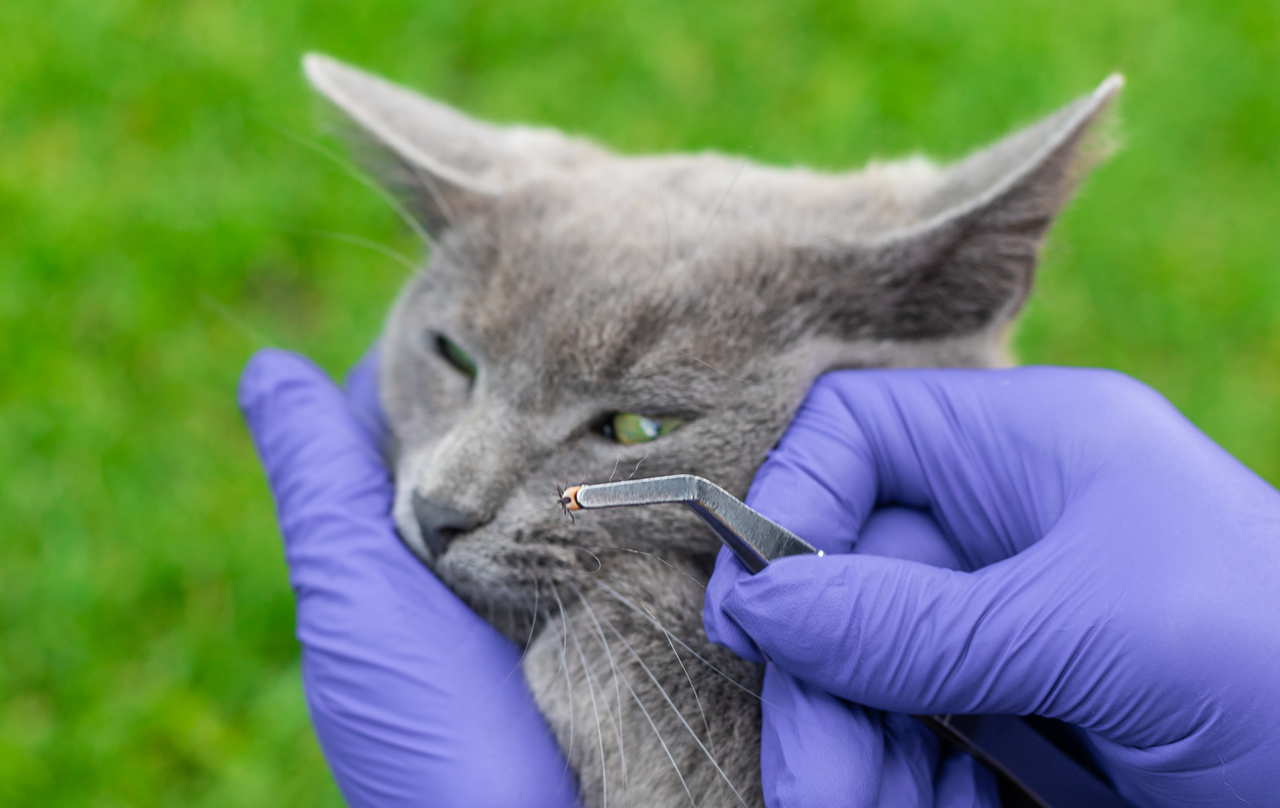
As a nationwide crackdown on unregistered pet dogs runs throughout November, data show that only about one in 10 lost or abandoned animals rescued last year was returned to its owner.
South Korea's pet registration system assigns each dog a unique identification number so that owners can be traced if the animal goes missing.
All dogs aged two months or older must be registered. Owners may choose between an implanted microchip or an external chip attached to a collar tag.
Failure to register carries a fine of up to 1 million won ($736), and failing to update a change of address or contact information carries a fine of up to 500,000 won.
According to the Ministry of Agriculture, Food and Rural Affairs and local governments, a voluntary self-reporting period that ran in September and October has ended, and authorities are now conducting an intensive enforcement campaign from Nov. 1 through Nov. 30. Fines were waived during the self-reporting window, but owners caught unregistered from this point on will face penalties.

The value of pet registration becomes clear only after an animal goes missing. According to the Ministry of Agriculture, Food and Rural Affairs' 2025 Animal Protection and Welfare Survey, 95,685 lost or abandoned animals entered municipal shelter facilities nationwide last year. Of those, only 10,685 — or 11.2% — were returned to their original owners.
Another 25.6% were adopted by new families. Animals that died of natural causes at shelters (25.7%) and those that were euthanized (17.3%) together accounted for 43.0% of the total. Dogs made up 70.4% of all rescued animals, or 67,384.
Of the 231,440 dogs newly registered last year, 123,237 — or 53.2% — used an external chip. The share of external registrations has exceeded half every year since 2021.
The Ministry of Agriculture, Food and Rural Affairs recommends implanted microchips, noting that external tags can be lost or damaged. As of the end of last year, the cumulative number of registered pets stood at about 3.676 million.

Microchipped dogs more than twice as likely to make it home
Research shows that microchipped dogs are far more likely to be reunited with their owners.
A research team led by Linda Lord, a professor in the Department of Veterinary Preventive Medicine at Ohio State University, published a study in the Journal of the American Veterinary Medical Association (JAVMA) in 2009 tracking the outcomes of microchipped animals that entered shelters.
The team analyzed 7,704 microchipped animals that arrived at 53 shelters across 23 US states between August 2007 and March 2008.
According to a summary of the findings compiled by the American Veterinary Medical Association (AVMA), 52.2% of microchipped dogs were returned to their owners, compared with just 21.9% of dogs without chips. Among cats, 38.5% of microchipped animals were reunited with their owners, while only 1.8% of unchipped cats were.

The return rate for microchipped dogs was 2.4 times that of unchipped dogs; for cats, the gap was more than 20-fold.
Having a chip did not guarantee a reunion, however. Of 2,956 stray microchipped dogs that entered shelters, staff located the owner in 74.1% of cases; for cats, the figure was 63.5% out of 469 animals.
An analysis of the 876 animals whose owners could not be found showed that the most common reason — accounting for 35.4% of cases — was an incorrect or disconnected phone number on file.
Lord advised pet owners that keeping a chip effective comes down to one thing: "It depends on how up to date I, as the guardian, keep the registration information."

UK extends mandate to cats; Japan requires chips at point of sale
The United Kingdom made microchipping mandatory for all dogs over eight weeks old starting April 6, 2016. Owners must keep their details up to date in the chip database, and failure to comply with a local authority's enforcement notice can result in a fine of up to 500 pounds.
Cats were later brought under the same requirement. According to the UK Department for Environment, Food and Rural Affairs (Defra), cat owners were required to have their pets microchipped by June 10, 2024. Under current rules, cats must be chipped and their owner's contact details registered in a database before the animal reaches 20 weeks of age.
If an unchipped cat is found, the owner has 21 days to have a chip implanted; non-compliance carries a fine of up to 500 pounds.
When the law was enacted, an estimated 2.3 million of the country's 9 million pet cats were without microchips.
Christine Middlemiss, the UK's chief veterinary officer, said when the cat microchipping bill was introduced to Parliament in March 2023 that a microchip was "by far the most effective and quickest way" to identify a lost pet.

Japan introduced mandatory microchipping at the point of sale when its revised Act on Welfare and Management of Animals took effect on June 1, 2022.
Breeders and pet shop operators selling dogs or cats are required to implant a microchip and register the animal before sale. Buyers or recipients of a chipped animal must then update the registration with their own ownership details. For dogs and cats already in a household before the law took effect, chipping is not compulsory — owners are only encouraged to have it done. Registration and information updates are handled through a system operated by the Japan Veterinary Medical Association.
dbsdn1110@heraldcorp.com