When food is scarce, females spend less time on the nest — and males make up the difference
Nest left unattended only 2% of the day
Chicks may still go hungry even after eggs hatch safely
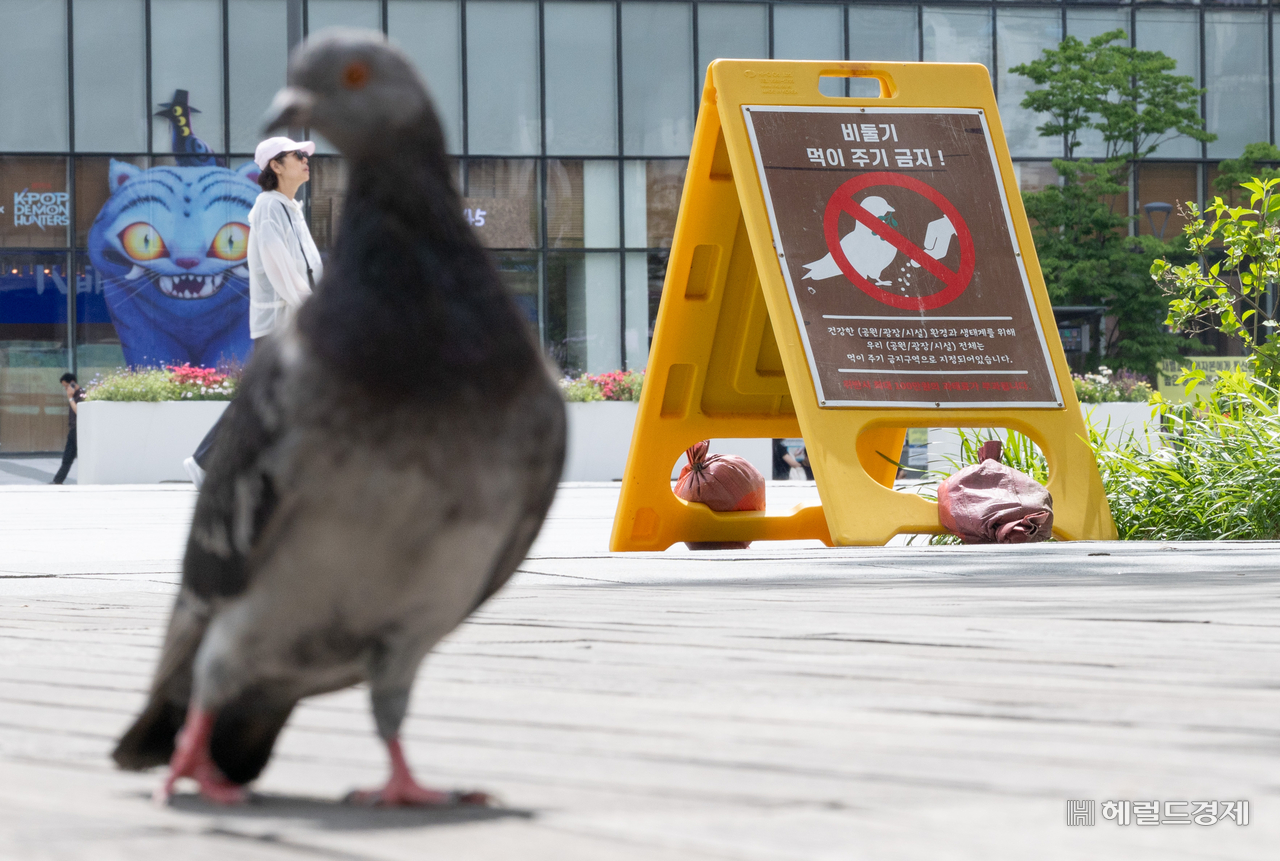
When food shortages force female pigeons to spend more time away from the nest, male pigeons compensate by incubating the eggs longer, a new study has found.
As pigeon droppings corrode buildings and sanitation complaints mount, many European cities have banned the public from feeding pigeons, calculating that less food will mean less breeding.
Urban pigeons are descended from carrier pigeons and ornamental birds once kept by humans, and they rely heavily on food left by people rather than foraging in the wild.
A research team led by Brandon Mak of the Technical University of Munich published the findings in volume 13 of the international journal Royal Society Open Science, analyzing how pigeon pairs divide incubation duties depending on food availability.
Starving through incubation
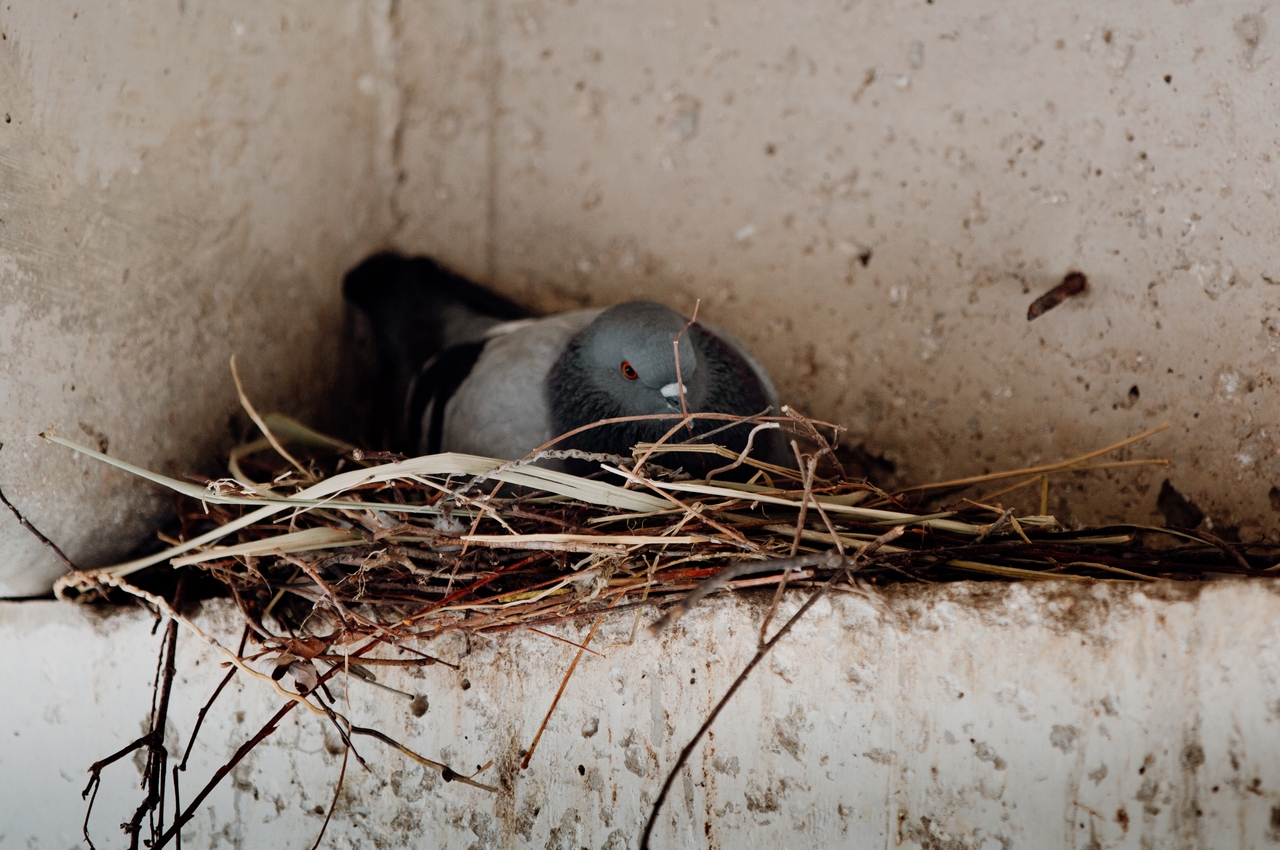
Incubating eggs is grueling work. The embryo inside needs a temperature of 30 to 40 degrees Celsius to develop, and the parent burns its own stored energy to maintain that warmth. A bird cannot eat while sitting on the eggs. Ducks and penguins can lose 30 to 40 percent of their body weight over a single incubation period.
That is why more than 80 percent of bird species raise their young as a pair. Some birds, like plovers, take turns incubating in equal shifts, while others, like hornbills and most sparrows, leave incubation entirely to the female.
Pigeons take turns, but the female carries most of the burden. The pair typically swaps places about five times a day. The male plays a supporting role, yet he too has a bare patch of skin on his chest — a brood patch — that transfers body heat directly to the eggs, allowing him to incubate them effectively.
Scales under the nest
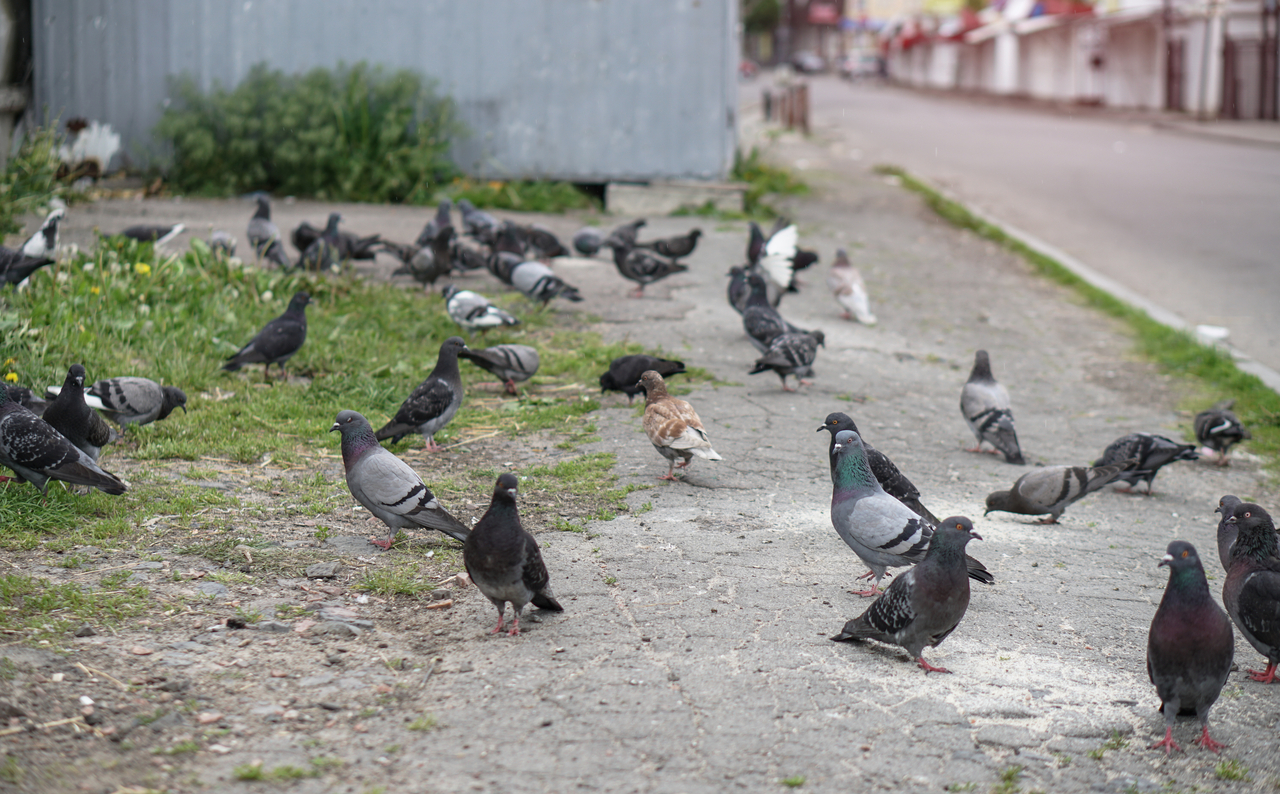
The research team monitored 57 pigeon nests from July to November 2025 in the German cities of Braunschweig, Munich and Würzburg, all of which prohibit pigeon feeding.
The researchers installed scales beneath each nest that recorded weight every 15 minutes, and replaced the real eggs with dummy ones. Because males are heavier than females, the nest weight alone revealed which bird was incubating at any given moment.
Female pigeons at nests that received supplemental food incubated for more than 19 hours a day. Females at food-deprived nests incubated for about 18 hours — nearly an hour and a half less. The number of daily changeovers was the same for both groups.
The research team concluded that food-deprived females were not leaving the nest more frequently, but were simply taking longer to return each time they left.

Males filled the gap. Males at supplemented nests incubated for about four hours a day, while those at food-deprived nests sat on the eggs for more than five hours. In both groups, the nest was left unattended for only about 2 percent of the day.
Female pigeons at supplemented nests averaged 375 grams — about 10 percent heavier than food-deprived females, who averaged 340 grams.
Male body weight was similar regardless of food access. Unlike females, who spent most of the day tied to the nest, males had ample time to forage outside.
The research team also looked for signs of "retaliation" — males reducing their incubation time out of frustration with the female's longer absences — but found no such behavior.
In many other bird species, food scarcity causes the female to reduce incubation time, which can slow or halt the embryo's development if the eggs cool.
In pigeon pairs, the male compensated for whatever time the female cut, effectively shielding the eggs from the consequences of food shortage.
The research team wrote in the paper: "The male pigeon is not a lazy bird. He is holding something in reserve for when times get tough."
Eggs may survive, but chicks can still starve
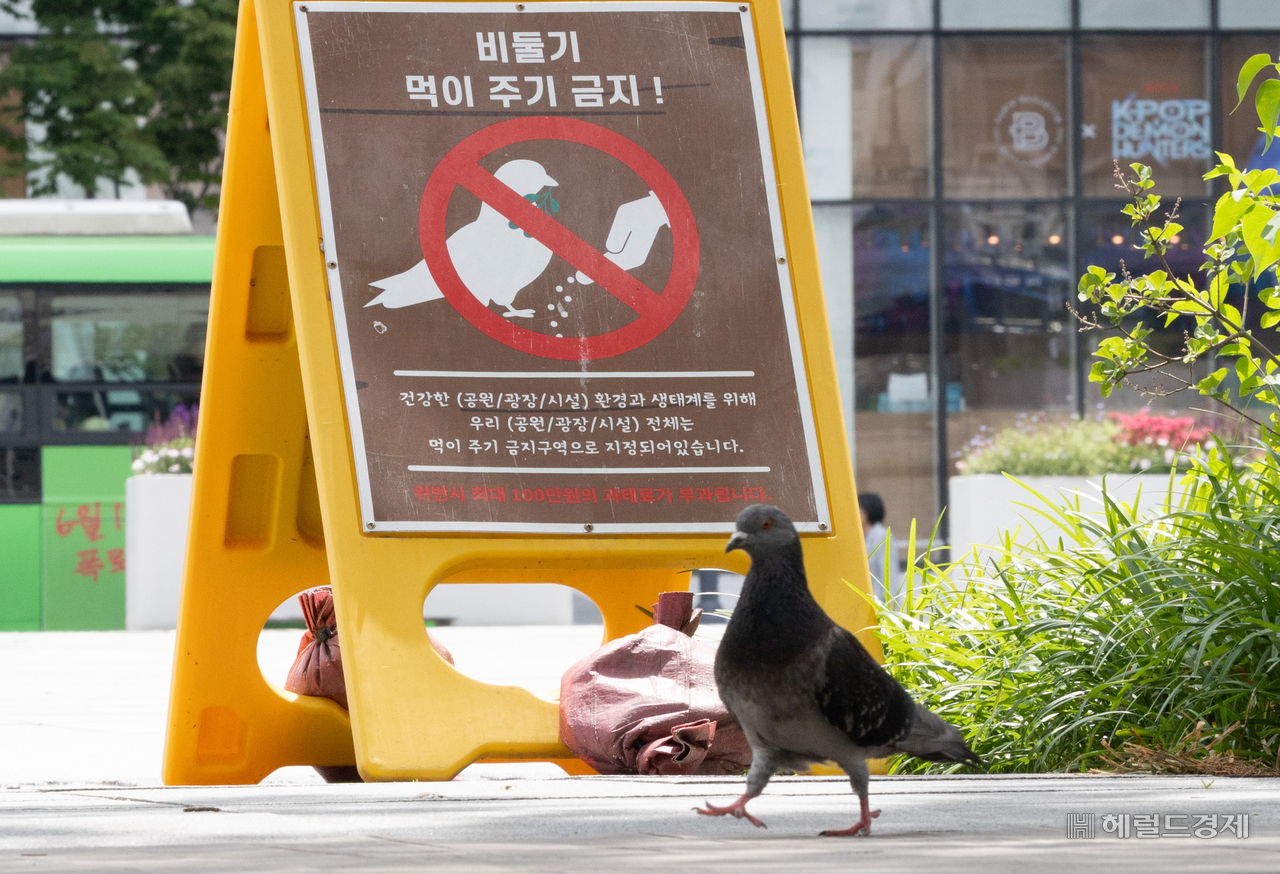
About 90 percent of urban pigeon eggs are fertilized, and city pigeons lay eggs four to six times a year.
Once the eggs hatch, the parents' roles shift. The male then takes the lead in brooding the chicks, while both parents feed them "pigeon milk" — a nutrient-rich secretion produced in the crop.
The research team warned that in cities where food is chronically scarce, this division of labor could lead to harsher outcomes for the chicks.
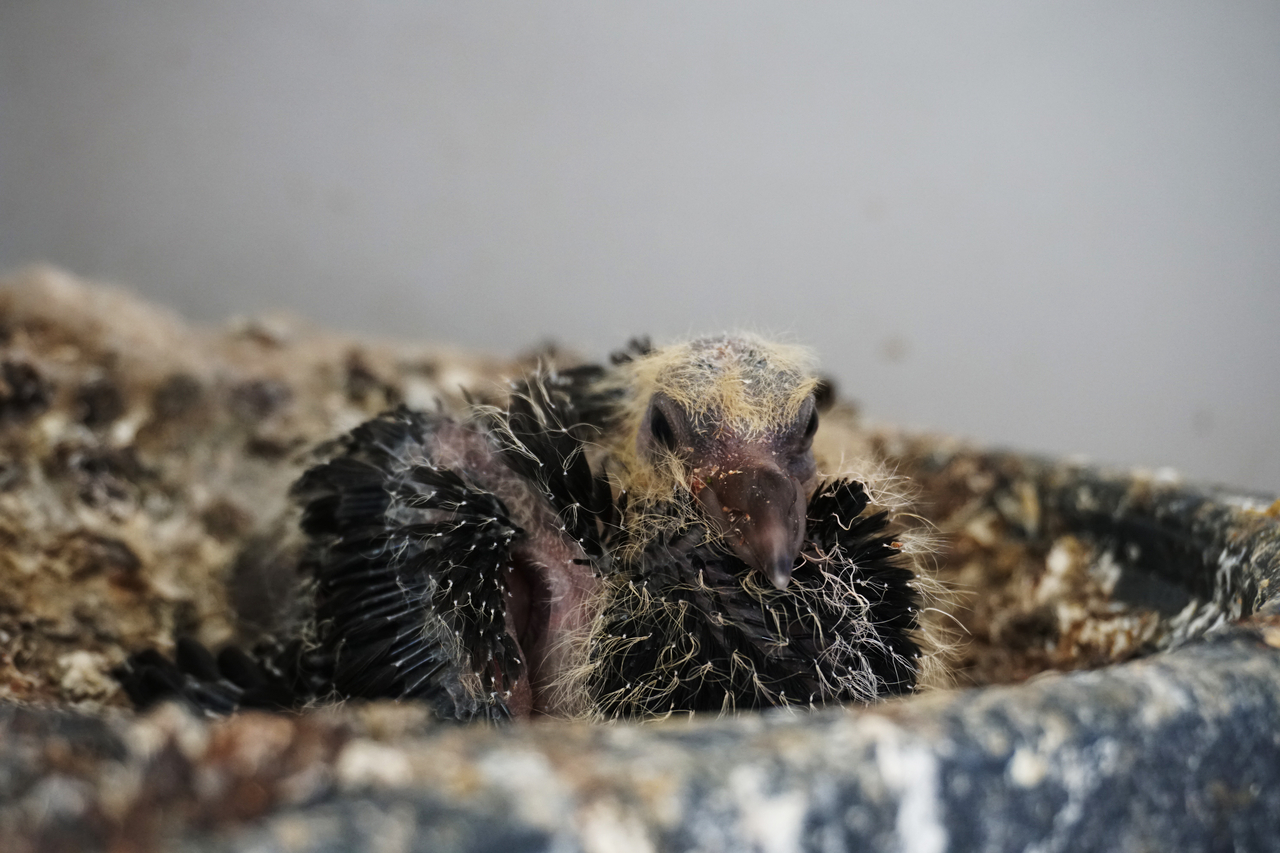
Even if the eggs hatch safely, the chicks can starve if the parents cannot find enough food to feed them after birth.
Research from Switzerland, which also bans pigeon feeding, found that hatching rates remained unchanged but that many chicks died of starvation.
The debate over feeding birds is not unique to pigeons. Europe, Australia and the United States once encouraged people to put out bird feeders in their gardens to support wild birds, but some organizations have recently withdrawn that endorsement amid concerns that feeding spreads disease and makes birds dependent on humans.
The research team said that because different bird species care for their young in different ways, decisions to cut or reduce feeding must be evaluated species by species, as the effects can vary widely.
Reference
DOI: 10.1098/rsos.261123
B. Mak, M.J. Chaban, E. Drewitt, W. Weisser, & B. Apfelbeck, When the going gets tough, the dove gets going: feral pigeons maintain nest attendance rates during food shortages with asymmetrical biparental care, R. Soc. Open Sci. 13 (2026) 261123.
dbsdn1110@heraldcorp.com