Jungdo preservation group urges legal action over damage to relics and structural remains
Gangwon Governor Woo Sang-ho had warned that discovery of structural remains would complicate construction
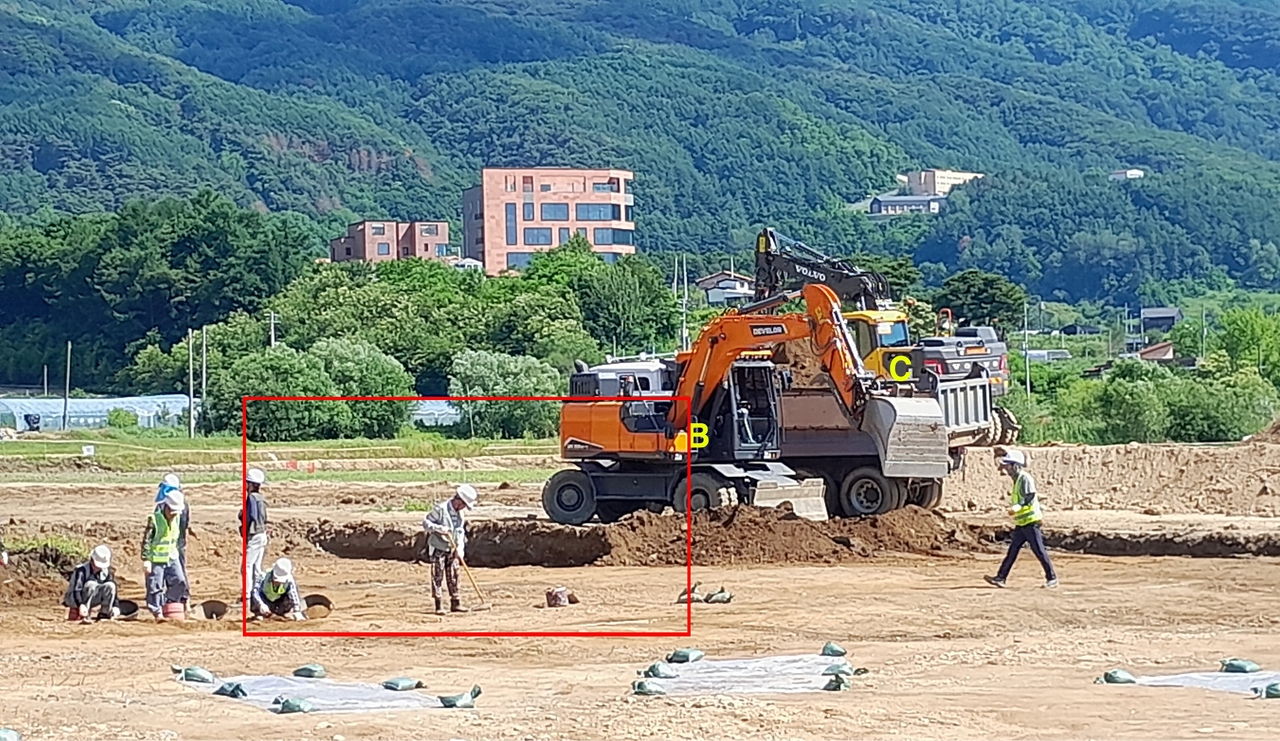
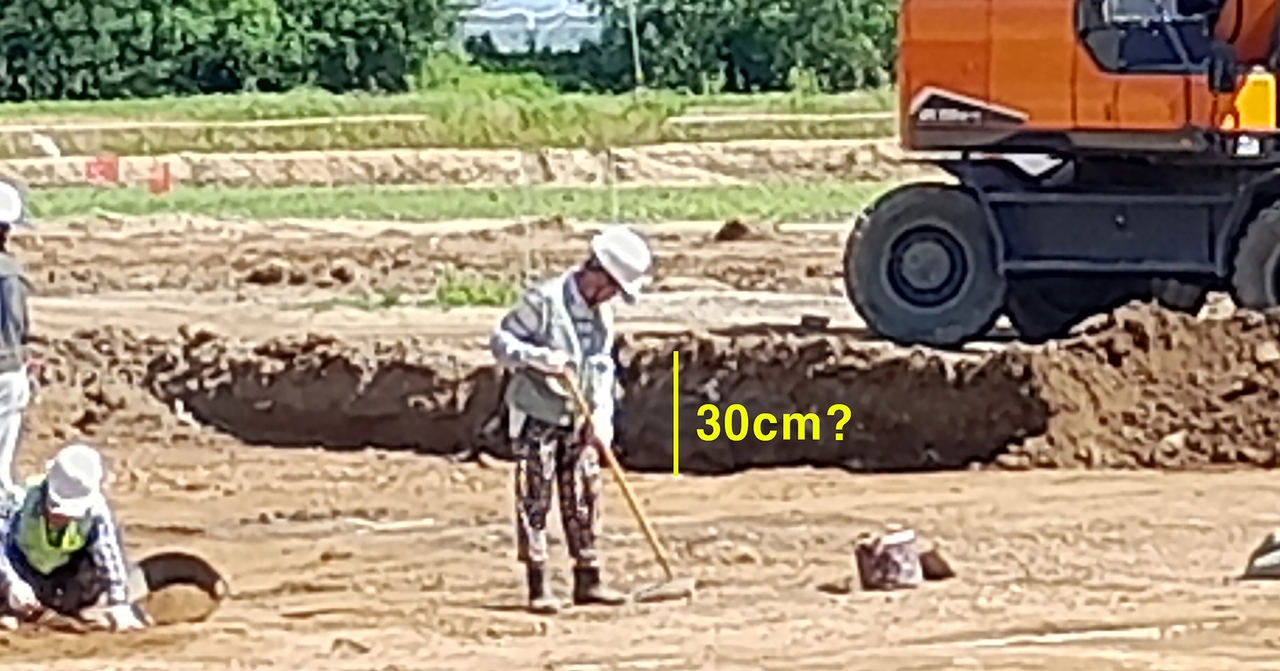
A civic group focused on preserving prehistoric heritage in Chuncheon said Monday it had filed a report with the Cultural Heritage Administration alleging the illegal destruction of buried cultural assets at the site of Gangwon Province's new headquarters in Goeun-ri, Chuncheon. The Chuncheon Jungdo Prehistoric Heritage Preservation Group said it submitted the complaint through the National Sinmungo public petition system on Sunday.
In the complaint, addressed to the head of the Cultural Heritage Administration and titled "Report on the Illegal Destruction of Structural Remains Discovered in Sample-Survey Trenches at the Goeun-ri New Headquarters Project Site," the group alleged that eight of the nine structural remains identified during a sample survey of the project site were absent from a subsequent detailed excavation report, raising suspicions that they had been damaged or destroyed.
The group said that with construction currently halted for a second time — the first suspension ran from Sept. 2 to Oct. 12, and the second began Tuesday — authorities should not simply collect artifacts and resume work. It said the priority must be to determine whether the previously identified structural remains were properly investigated and to establish how they came to be damaged or removed.
According to academic advisory committee opinions recorded on page 111 of an abbreviated excavation report for the Chuncheon urban planning facility site, dated March 11, a sample survey found nine structural remains from the Joseon period in trenches 9, 10, 11 and 12 — later renumbered 19, 20, 23 and 24 in the abbreviated report. On the basis of those findings, the Cultural Heritage Administration on May 19 approved a change in the scope of the detailed excavation, reducing the area under investigation from 137,939.5 square meters to 6,598 square meters.
When hundreds of artifacts were discovered in September, Gangwon Governor Woo Sang-ho said the items could be properly handled through expert assessment. He added, however, that the situation would change if structural remains were found. "If structural remains turn up, the scale of the excavation grows and construction could become much harder," Woo said at the time.
The group said a comparative analysis of the sample survey report compiled in March and the abbreviated detailed excavation report from June revealed several problems.
First, the trench depths at which structural remains were recorded in the sample survey were reported as deeper than the actual depths at which such remains are typically found.
Second, during the detailed excavation, excavators removed soil to depths greater than those at which the sample survey had reported structural remains to be present.
Third, most of the structural remains documented in the sample survey could not be confirmed in the abbreviated detailed excavation report.
The group said these discrepancies suggest that already-identified structural remains were damaged and removed without authorization from the Cultural Heritage Administration, and it urged that legal action be taken against those responsible for the destruction of areas where artifacts and structural remains had been found.
abc@heraldcorp.com