Average burden of 223.75 million won per member; association vows to contest
Final levy amount may shift as deadline interpretation divides Seocho-gu and central government
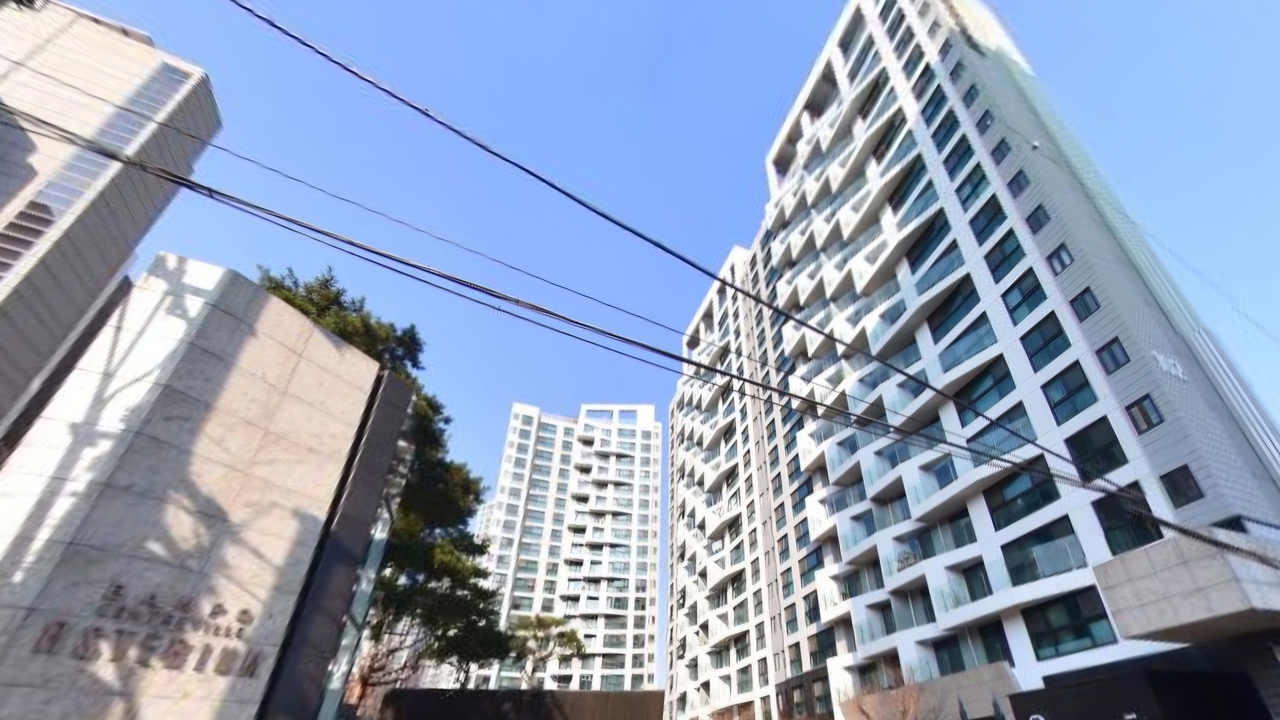
The reconstruction excess profit recapture levy has returned to the spotlight after authorities notified the Banpo Hyundai apartment complex — now known as Banpo Centreville Asterium — in Seocho-gu, Seoul, of a preliminary levy totaling 17.9 billion won ($13.2 million). With the average burden per association member exceeding 200 million won, questions over whether the final amount will be adjusted, and whether the regime itself will be abolished, are emerging as key variables determining whether the levy is ultimately imposed.
According to the redevelopment industry, Seocho-gu formally notified the Banpo Hyundai reconstruction association Monday of the 17.9 billion won preliminary levy. Based on the 80 association members subject to the assessment, the average burden works out to 223.75 million won per person.
However, the final levy could come in lower. Seocho-gu has indicated that if the association submits outstanding supporting documents — including an appraisal of rental housing units it has yet to provide — the average per-member burden could fall to the low 100 million won range. Members who are single-homeowners with long holding periods are also eligible for reductions of up to 70 percent depending on how long they have held the property, meaning individual burdens will vary considerably.
Separate from the possibility of a downward adjustment, disagreements between the association and authorities are expected to continue. The Banpo Hyundai association has said it intends to contest the preliminary assessment. Under the relevant procedures, the association may request a pre-notice review within 50 days of receiving the preliminary notification. Seocho-gu will then examine the association's supporting materials before determining the final levy.
Behind the notification lies a dispute over the legal deadline for imposing the levy. Banpo Hyundai was completed in 2021, and Seocho-gu has determined that applying the five-year imposition window under the Reconstruction Profit Recovery Act places the deadline at Dec. 30 of this year. The district moved to begin the advance notification process with that deadline in mind, factoring in time needed for objections and review.
The Ministry of Land, Infrastructure and Transport, however, is understood to have offered a different interpretation — that special provisions in the law as amended in 2024 would allow the levy to be imposed as late as 2029. With the two authorities reading the law differently, the ministry's final authoritative interpretation is expected to have a significant bearing on the actual imposition schedule.
As the prospect of reconstruction excess profit recapture levies becomes more concrete, other Gangnam-area redevelopment projects are growing anxious. Eunma apartment in Daechi-dong, Gangnam-gu, is understood to have recently received a preliminary levy notice averaging around 460 million won per association member.
According to the Ministry of Land, Infrastructure and Transport, as of the end of 2024, 58 complexes nationwide were expected to face reconstruction excess profit recapture levies, with an average projected burden of about 103 million won per member. Seoul accounted for 29 of those complexes — half the national total — followed by Gyeonggi Province with 11 and Daegu with 10.
Industry insiders warn that piling reconstruction excess profit recapture levies on top of already rising construction costs could sap momentum for redevelopment projects. Tightened lending regulations have worsened financing conditions, and association members' ability to pay their levies is increasingly cited as a variable that could affect whether projects move forward.
In response, Seocho-gu submitted a petition to the Ministry of Land, Infrastructure and Transport on Thursday calling for the reconstruction excess profit recapture regime to be abolished, along with a residents' petition. The submission also conveyed demands from the National Reconstruction and Redevelopment Association Solidarity — a coalition of 82 reconstruction associations across the country — for reform or abolition of the system.
The reconstruction excess profit recapture regime was introduced under the Roh Moo-hyun administration and later suspended during the Lee Myung-bak and Park Geun-hye governments. The suspension lapsed under the Moon Jae-in administration. The Yoon Suk Yeol government eased the regime by raising the levy exemption threshold from 30 million won to 80 million won, among other changes. The Democratic Party of Korea stated during the last presidential election that it supports keeping the current system in place, while a bill to abolish the reconstruction excess profit recapture regime introduced by the People Power Party remains pending in the National Assembly.
quq@heraldcorp.com