'Semiconductor effect' lifts orders to 24.6 trillion won
Private non-residential sector drives gains
Employment falls for 29th consecutive month
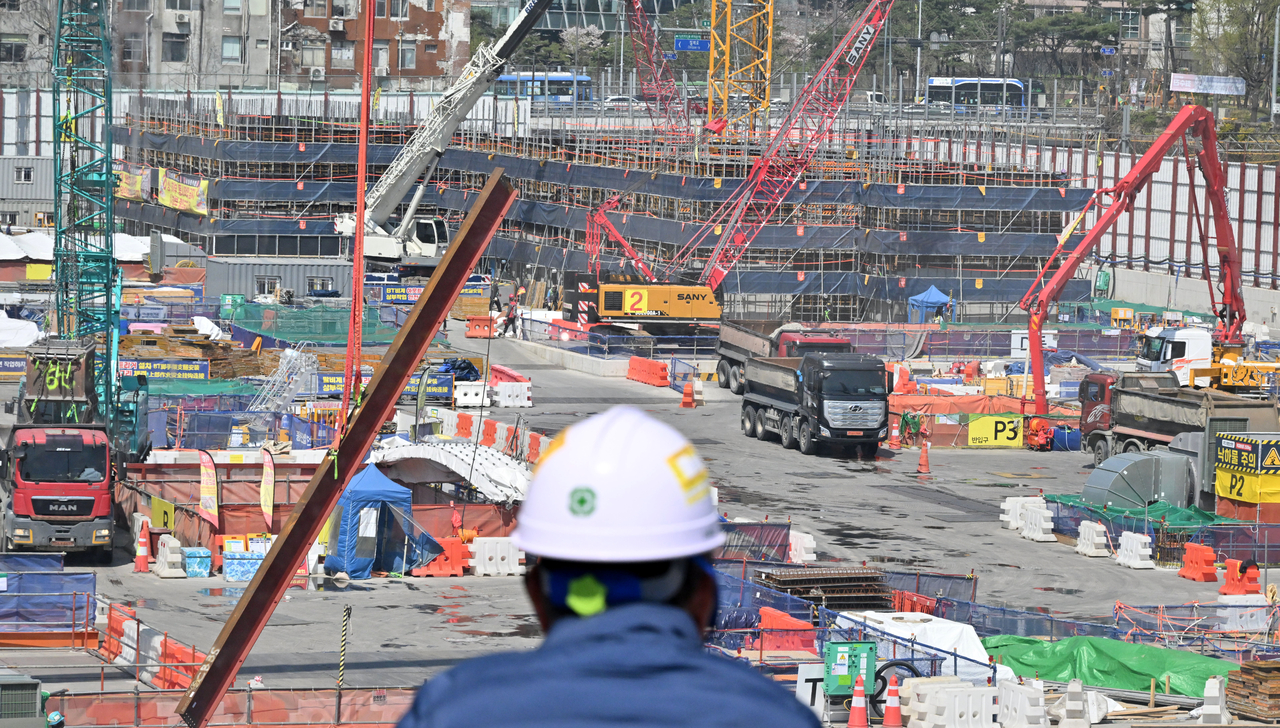
Domestic construction orders surged 49 percent year-on-year in September, driven by large-scale projects including semiconductor production facilities, but residential construction output and industry employment continued to weaken while business sentiment among construction firms deteriorated.
According to the monthly construction market report released Tuesday by the Korea Construction Industry Institute, construction orders in September totaled 24.6 trillion won ($18.1 billion), up 49.3 percent from the same month last year and 45.4 percent from the previous month.
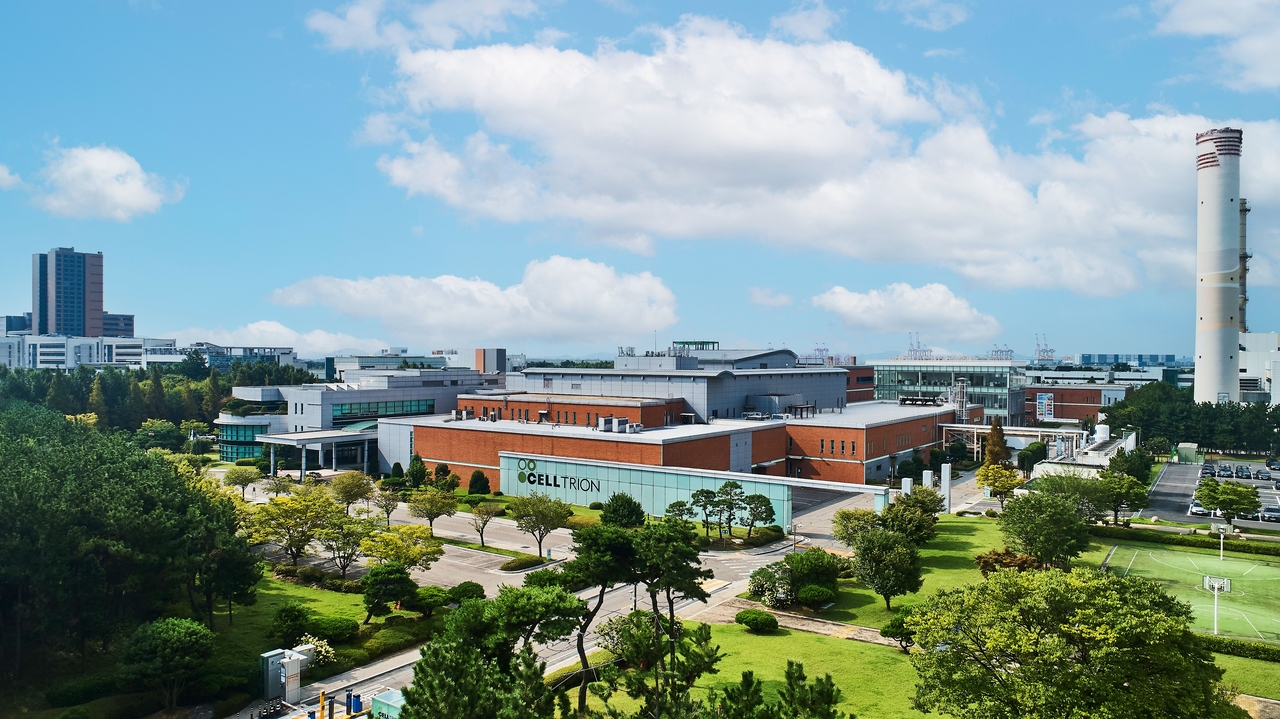
Public-sector orders rose 4.2 percent to 5 trillion won, supported by civil engineering projects including the Hadong combined-cycle power plant and the Yongin Advanced System Semiconductor Cluster national industrial complex. Private-sector orders climbed 67.6 percent to 19.6 trillion won, boosted by new contracts for semiconductor production and support facilities and the Wirye new town Bokjeong transit-oriented mixed-use development project, along with contract-value increases on existing construction and redevelopment work.
Private non-residential orders were particularly strong, surging 139.7 percent and leading the overall expansion. Construction output reached 13.1 trillion won, up 4.4 percent from a year earlier.
Public construction output rose 28.7 percent, while private construction output edged down 1.1 percent. By work type, civil engineering output grew 25.0 percent, but building construction output fell 2.8 percent. Within building construction, non-residential output increased 6.1 percent, while residential output declined 8.8 percent.
Employment in the construction sector continued to slide. The number of construction workers stood at 1.926 million in September, down 2.4 percent from a year earlier, marking the 29th consecutive month of decline. The Ministry of Employment and Labor's October 2026 labor market report based on employment insurance data also showed that the number of construction workers enrolled in employment insurance fell to 742,000, down 5,000 from a year ago — a decline that has now stretched 39 consecutive months since August 2023.
Cost pressures from rising construction expenses persisted. The construction cost index stood at 139.48, up 5.9 percent from a year earlier — roughly double the consumer price inflation rate of 2.9 percent over the same period.
The Construction Business Survey Index, which tracks business sentiment among construction firms, fell 2.6 points from the previous month to 70.6 in October. The drop reflected worsening conditions for payment collection and order backlogs, with the payment receivables index and the order backlog index falling 13.3 points and 8.6 points, respectively.
"Large semiconductor facilities, mixed-use development projects and contract-value increases on existing work all contributed to the figures," said Lee Ji-hye, a research fellow at the institute. "We should be cautious about interpreting this as a broad recovery in the construction market."
lucky@heraldcorp.com