ALYGLO direct sales take hold in US, targeting $150 million in annual revenue
Eight plasma centers acquired to build vertically integrated supply chain
Domestically produced albumin replaced imports; first Korean pharma to hit $10 million in exports in 1979
Anthrax vaccine Varithrax, 28 years in the making, completes national stockpile
Technology deals with Lilly and BioMarin drive third-quarter net profit surge to 208.5 billion won
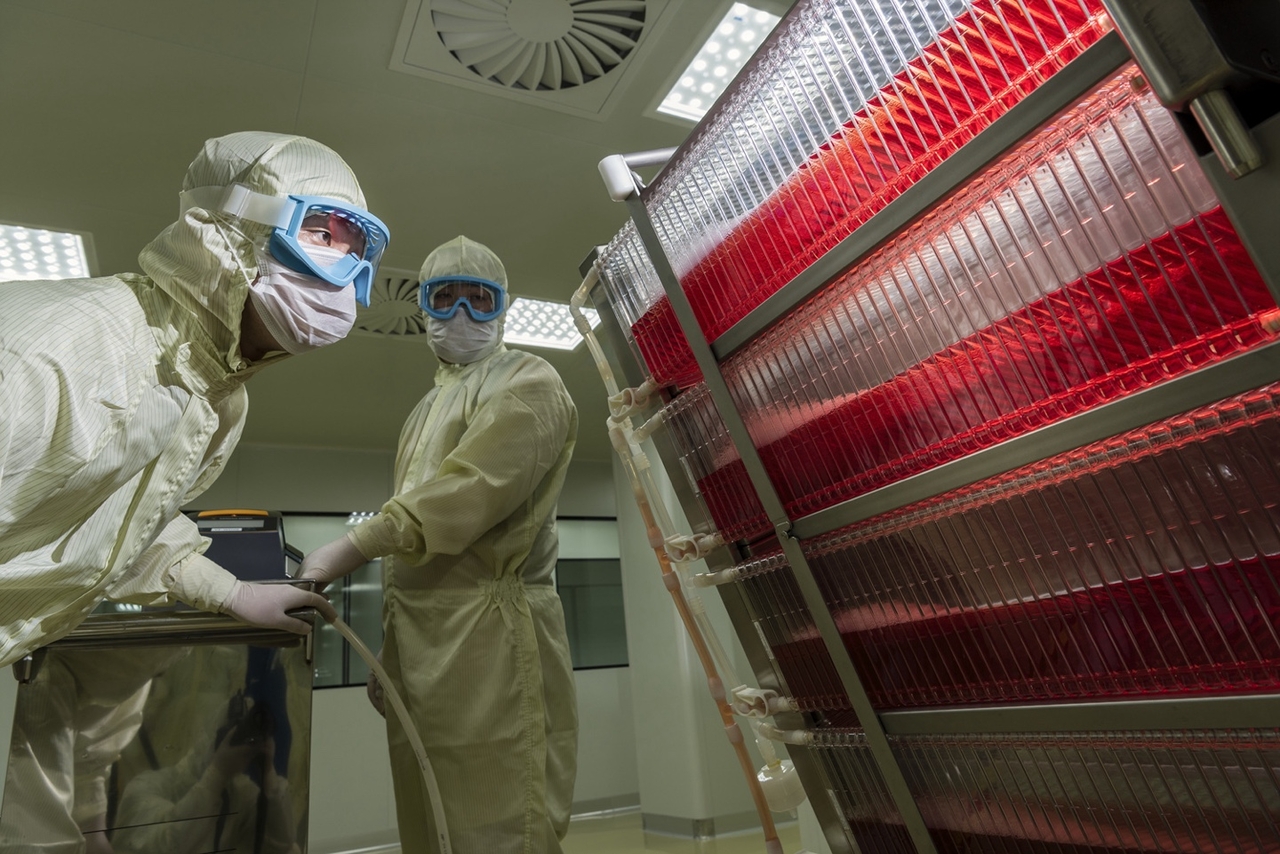
When a nation faces crisis, the last line of defense protecting its people is not weapons — it is medicine.
Every time the world has scrambled to secure vaccines, GC Biopharma has manufactured the shots itself. In a divided country living under the threat of biochemical attack, it has pushed through the domestic production of essential stockpile drugs. Since its founding in 1967, the company's nearly six decades of work have amounted to more than the profit-seeking of an ordinary pharmaceutical firm — they represent a sustained effort to establish South Korea's sovereign control over its own health security.
The same determination that domesticated albumin — a blood-fraction product previously imported in its entirety — and made GC Biopharma the first Korean pharmaceutical company to surpass $10 million in exports in 1979 is now surging again, this time on the most fiercely contested pharmaceutical battlefield in the world: the United States.
Having cracked open the American blood-products market — long monopolized by a handful of multinational giants — with its immunoglobulin ALYGLO, the company has since closed a string of trillion-won mega-deals with global pharmaceutical majors, launching what it describes as its ascent to the ranks of the world's top-tier biotech firms.
ALYGLO breaks into the US market, racing toward $150 million in its third year
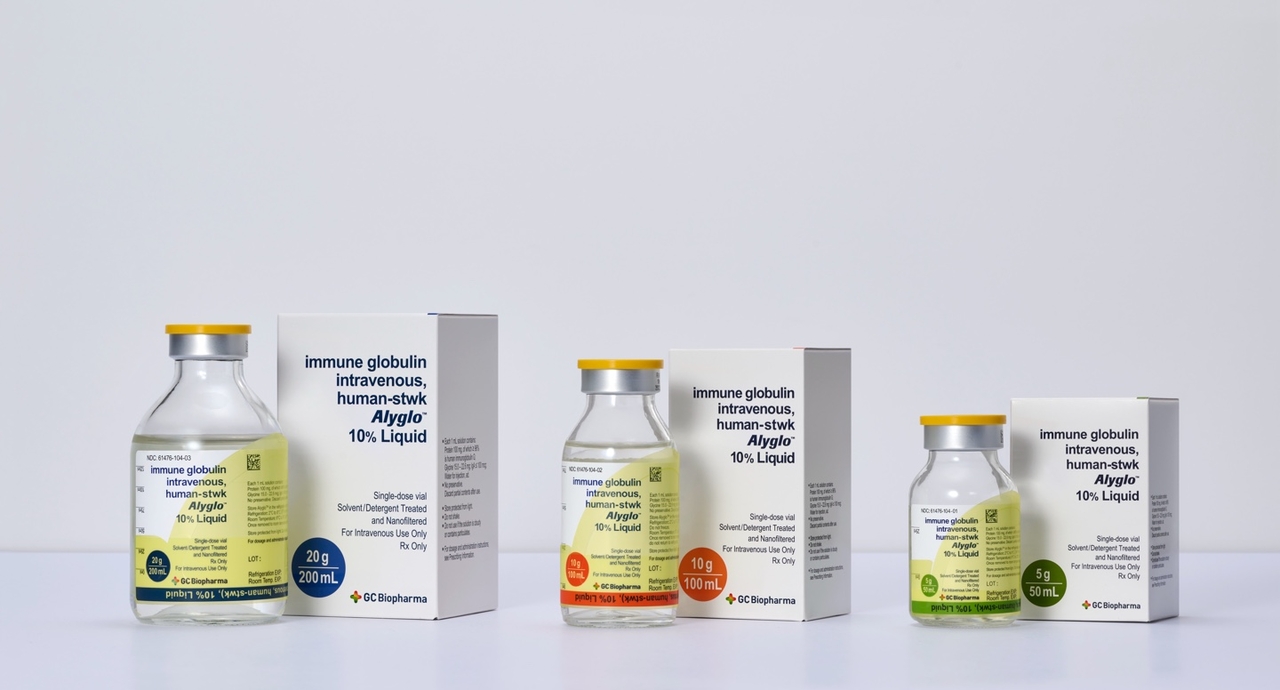
At the forefront of GC Biopharma's global push stands ALYGLO, its intravenous immunoglobulin. In late 2023, ALYGLO became the first Korean-made blood product to receive US Food and Drug Administration approval, marking a milestone in the history of Korean biotech. Blood-fraction products — biopharmaceuticals derived by fractionating and purifying human plasma — demand extraordinarily complex manufacturing processes and rigorous current Good Manufacturing Practice inspections, making the segment a near-impenetrable domain dominated by a small number of global pharmaceutical majors.
GC Biopharma broke through with a proprietary purification technology developed in-house: a cation exchange chromatography process that filters out more than 99 percent of Factor XIa, a coagulation factor linked to the potentially fatal thromboembolic events that can occur during blood-product infusions, delivering a level of purity and safety that set it apart from rivals.
The results speak in numbers. ALYGLO generated $36 million in US sales in the second half of 2024, its first year on the American market. That figure surged 194 percent to $106 million in 2025, clearing the $100 million mark in a single leap. Now in its third year on the market, the product is on track to grow more than 40 percent this year, putting annual sales of $150 million within reach.
A rigorous direct-sales strategy in the United States has been central to that success. Through its US subsidiary GC Biopharma USA, the company signed contracts directly with major pharmacy benefit managers, securing patient access covering more than 75 percent of the entire US insurance market. It also built a tightly woven local distribution network spanning specialty pharmacies and large clinics, minimizing intermediary margins and maximizing profitability.
Vertical integration from raw plasma to finished product — and a $1 billion ambition with next-generation SCIG
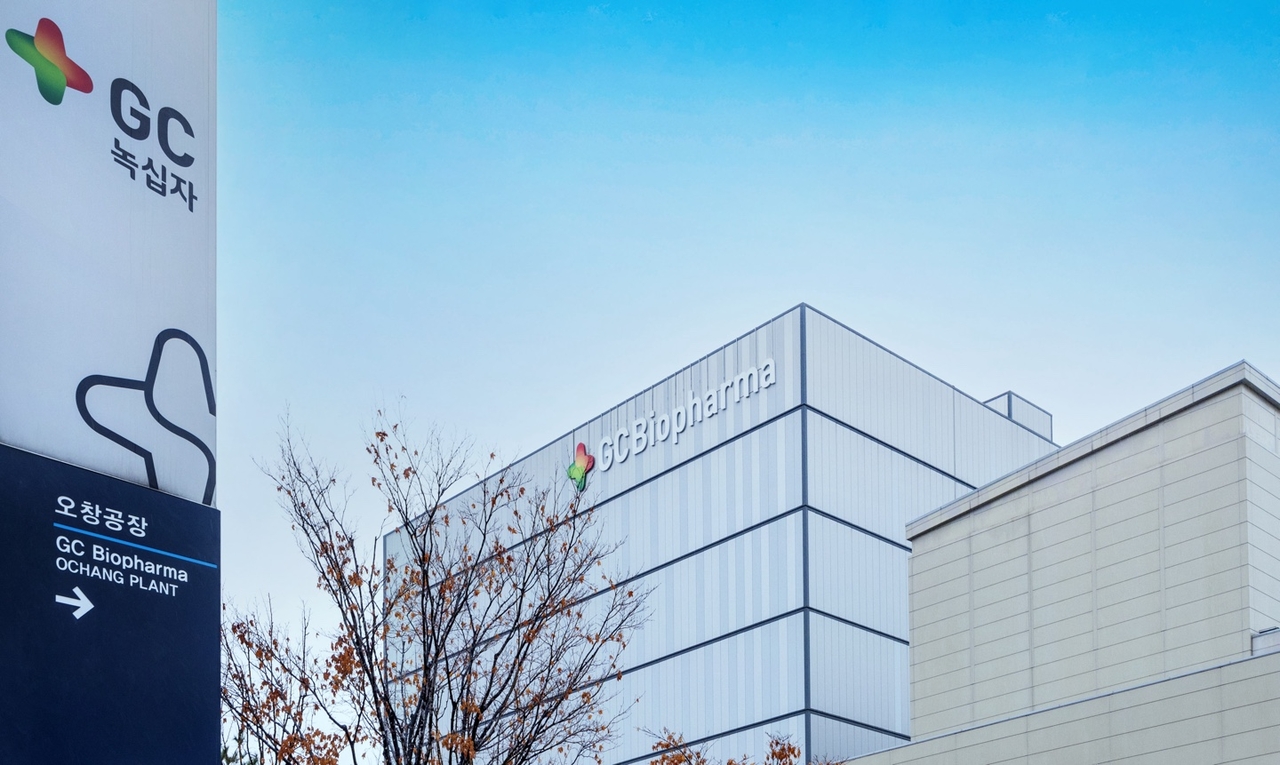
ALYGLO's momentum in the United States is not a short-term story. GC Biopharma has built what it calls a full blood-products value chain — integrating raw plasma procurement, finished-product manufacturing and local sales into a single end-to-end operation — to lay the foundation for a sustained competitive advantage.
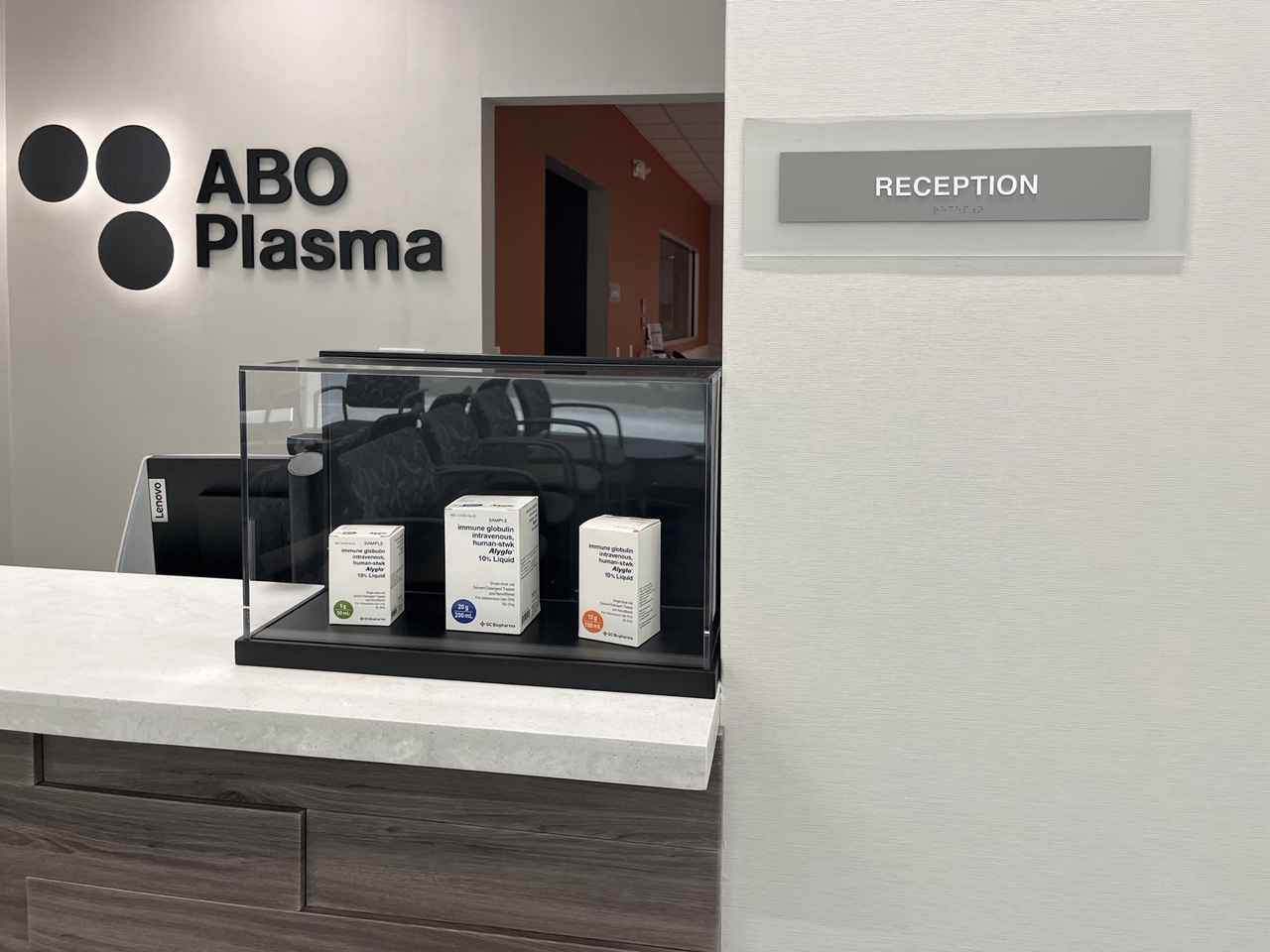
The biggest bottleneck in the blood-products business is a reliable supply of source plasma. To solve that problem, the company acquired ABO Holdings, which operates eight plasma collection centers across the United States. Through key plasma centers in New Jersey, Utah, California and Texas, GC Biopharma plans to raise the share of self-sourced plasma from 14 percent in 2025 to 80 percent by 2028. The strategy is to eliminate supply uncertainty, lower procurement costs and push ALYGLO's operating profit margin above 30 percent over the medium to long term.
The company has also identified a 20 percent subcutaneous immunoglobulin, or SCIG, as its next major growth engine. The intravenous immunoglobulin formulations that currently dominate the US market require patients to visit a hospital every three to four weeks for infusions lasting several hours. High-concentration SCIG, by contrast, can be self-administered at home — a significant advantage for patients. By 2030, SCIG is projected to account for more than 30 percent of the US immunoglobulin market, and it commands a premium price roughly 1.5 times that of intravenous formulations, making it a high-margin segment.
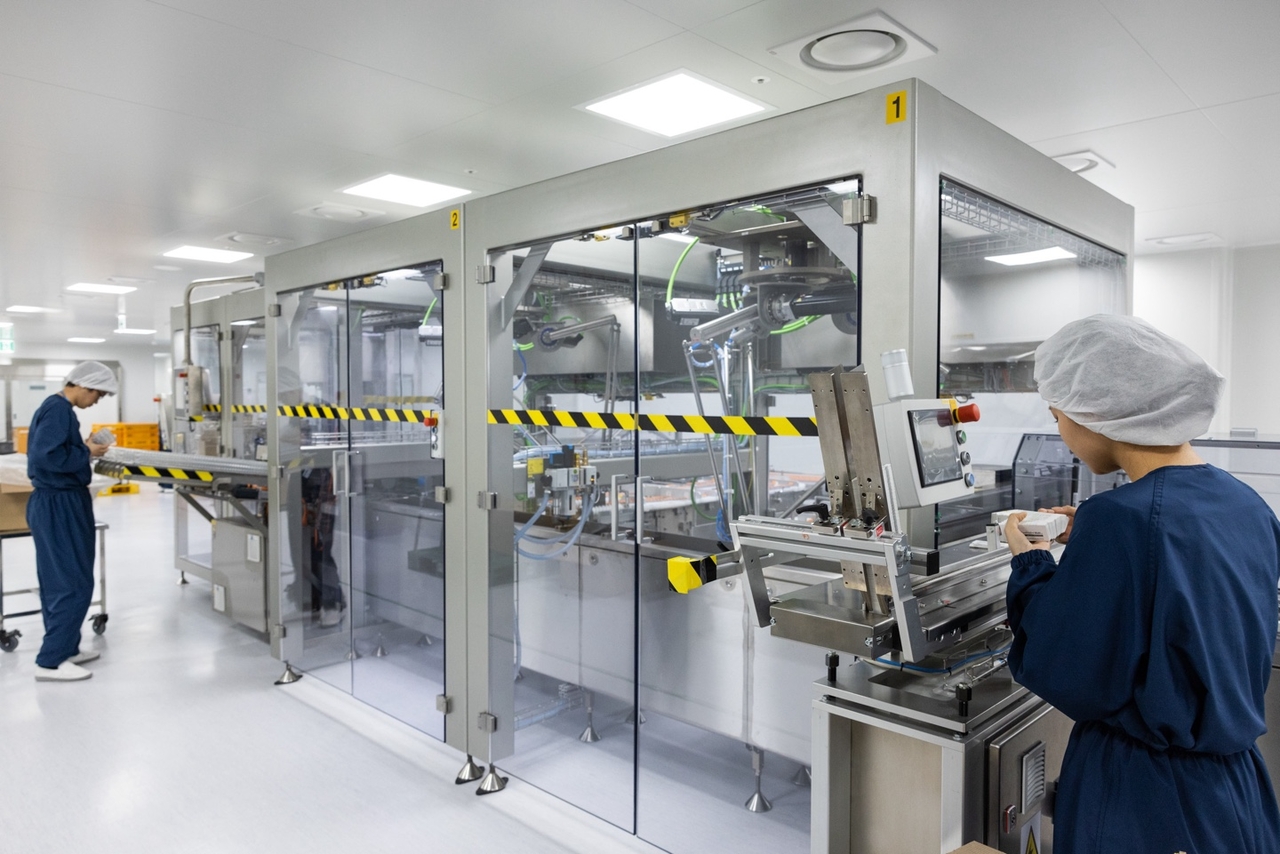
GC Biopharma has developed a proprietary high-yield manufacturing process that improves process yield 1.6 times over ALYGLO's current process and increases annual plasma processing capacity 3.5-fold. The company has begun expanding a dedicated SCIG production line at its Ochang factory in North Chungcheong Province, using available space within the existing facility. It plans to file an investigational new drug application for a US Phase 3 trial in 2027, complete the factory expansion in 2029 and begin commercial sales in 2031. The long-term blueprint is to complete a dual portfolio of intravenous and subcutaneous immunoglobulins and generate more than $1 billion in annual US sales alone.
From urine collection buckets to domestically produced albumin — 60 years built on blood and sweat
Behind this global ambition lies a history that is, in itself, the story of how South Korea built its biopharmaceutical industry from scratch. Younger generations may not know it, but in the 1970s and 1980s, public restrooms at schools and parks across the country displayed plastic urine collection containers bearing the GC Biopharma logo. The company was gathering urine from the entire population to extract the raw material for urokinase, a thrombolytic agent used to treat strokes and heart attacks — an episode that has become the defining symbol of its relentless drive to produce medicines domestically.
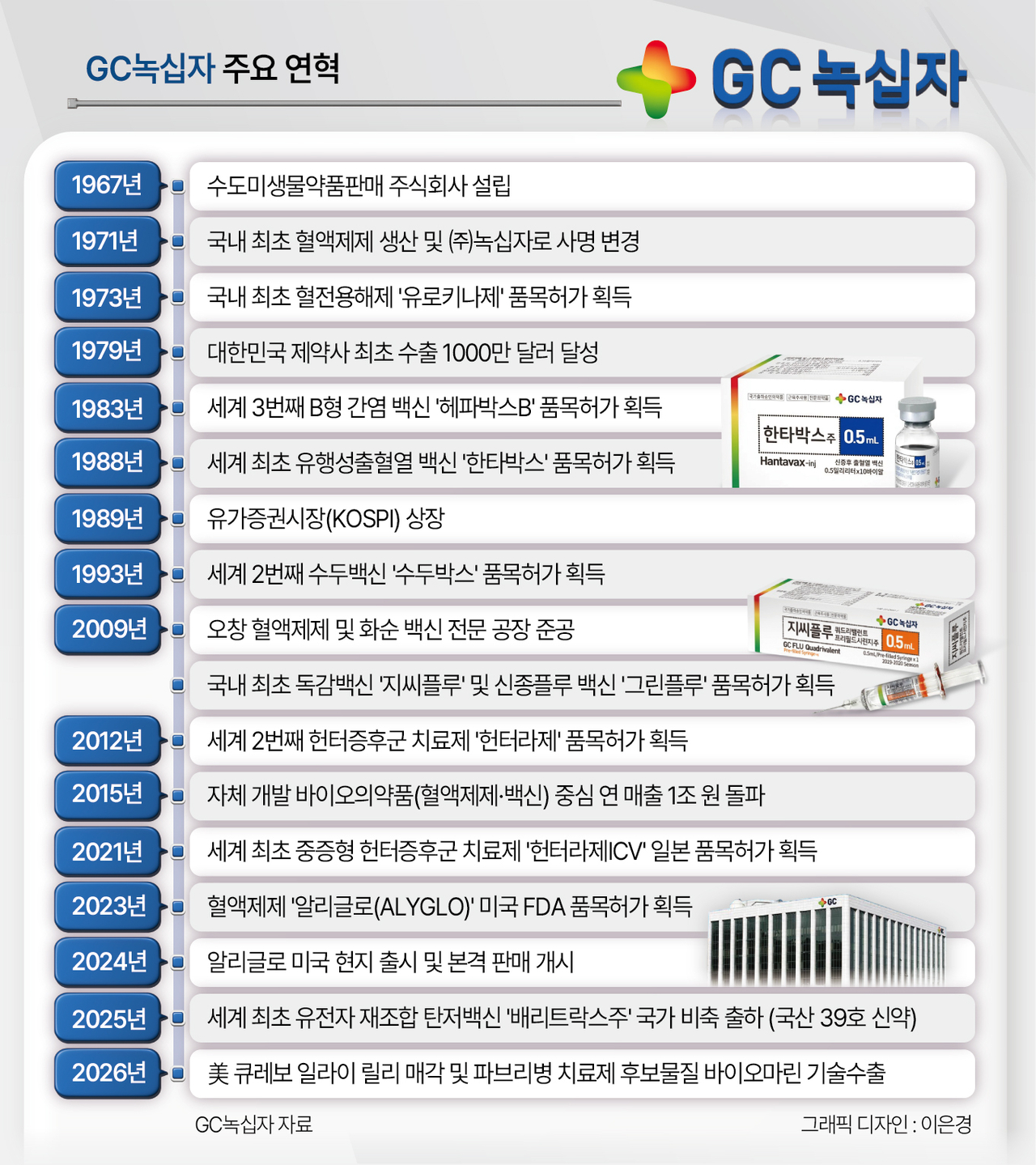
Overcoming severe constraints on raw material supply, GC Biopharma domesticated albumin — a blood-fraction product that had been imported entirely — and established itself as the definitive name in Korean albumin production. That achievement made it the first Korean pharmaceutical company to surpass $10 million in exports in 1979. It followed that with the world's third hepatitis B vaccine, Hepavax, in 1983, and then the world's first hemorrhagic fever with renal syndrome vaccine, Hantavax, cementing its place among the global leaders in blood products and vaccines.
While most domestic pharmaceutical companies remained distributors — selling generic copies or licensed products from multinational firms — GC Biopharma stayed the course in the demanding field of biopharmaceuticals. In 2015, it crossed 1 trillion won ($738 million) in annual sales, driven by its own vaccines and blood products. Without the benefit of high-profile advertising, it has maintained its position as the second-largest pharmaceutical company in South Korea by sales, sustained entirely by its technological edge in a market with few competitors.
Inside the anthrax wing at the Hwasun factory in South Jeolla Province — a national shield forged over 28 years
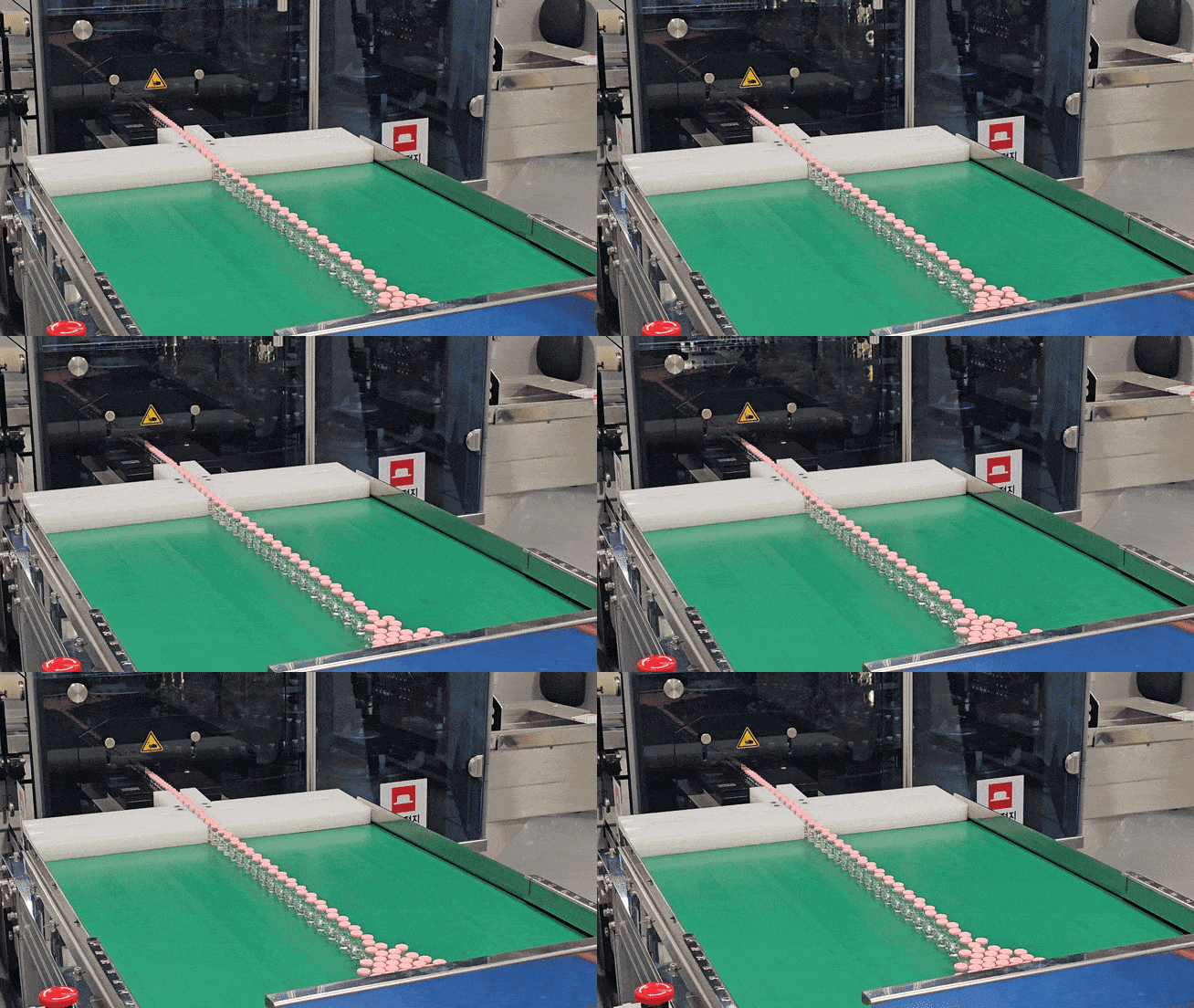
The most tangible expression of that heritage is the anthrax wing at GC Biopharma's vaccine plant in Hwasun, South Jeolla Province. Stepping into the 990-square-meter dedicated manufacturing facility — set apart from the production lines for the influenza vaccine GC Flu and the varicella vaccine Varicella — the hum of heavy machinery fills the air alongside the clean sterility of a controlled environment. Built at a cost of 10 billion won and brought into operation last year after a long wait, it is the world's first dedicated production site for a recombinant protein anthrax vaccine: Varithrax.
The facility is South Korea's last strategic line of defense against the threat of anthrax bioterrorism, a pathogen with a respiratory fatality rate approaching 97 percent. Only a handful of countries in the world — among them the United States and the United Kingdom — are capable of producing anthrax vaccines domestically.
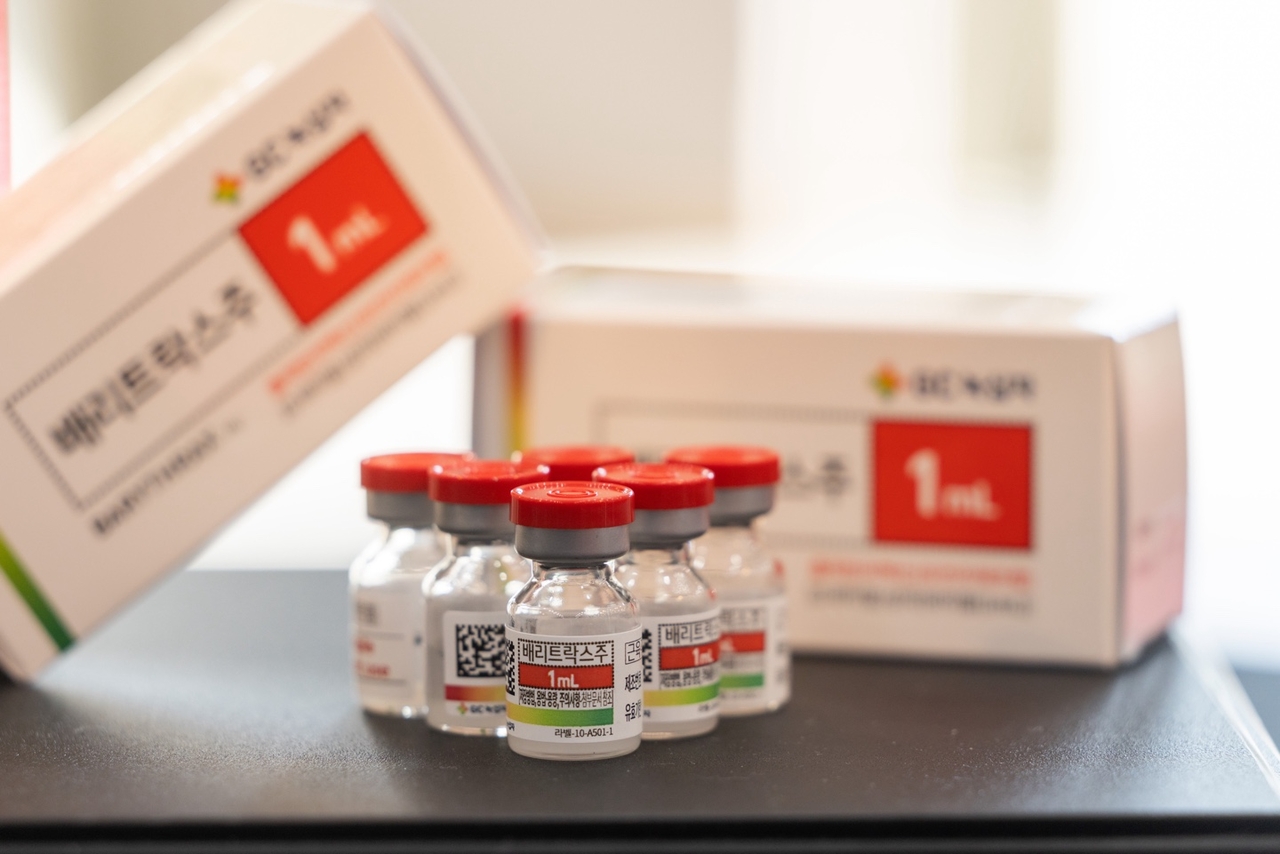
South Korea had previously relied entirely on imported anthrax vaccines, leaving it unable to stockpile as much as it needed and vulnerable to price gouging. With the Hwasun anthrax wing now fully operational, the country can produce up to 10 million doses per year — enough to cover about 2.5 million people — giving it an independent defensive capability for the first time.
The journey took 28 years. Foundational research begun in 1997 at what was then the National Institute of Health — now the Korea Disease Control and Prevention Agency — was handed to GC Biopharma in 2002, which then carried it through process development and clinical trials. Where existing foreign vaccines used whole non-pathogenic anthrax bacteria and carried a residual risk of trace toxin side effects, Varithrax purifies only the protective antigen protein from the anthrax toxin, maximizing safety. Designated as South Korea's 39th domestically developed new drug, it received the grand prize at the Korea New Drug Development Awards, demonstrating its technological credentials on the world stage.
The completion of the national stockpile transition — replacing all imported anthrax vaccines with the domestic product as the imported supply's shelf life expired — stands as a testament to the company's conviction that it must make medicines that are difficult to produce but indispensable to humanity.
Big pharma lines up for open innovation — rare disease and vaccine deals deliver jackpots
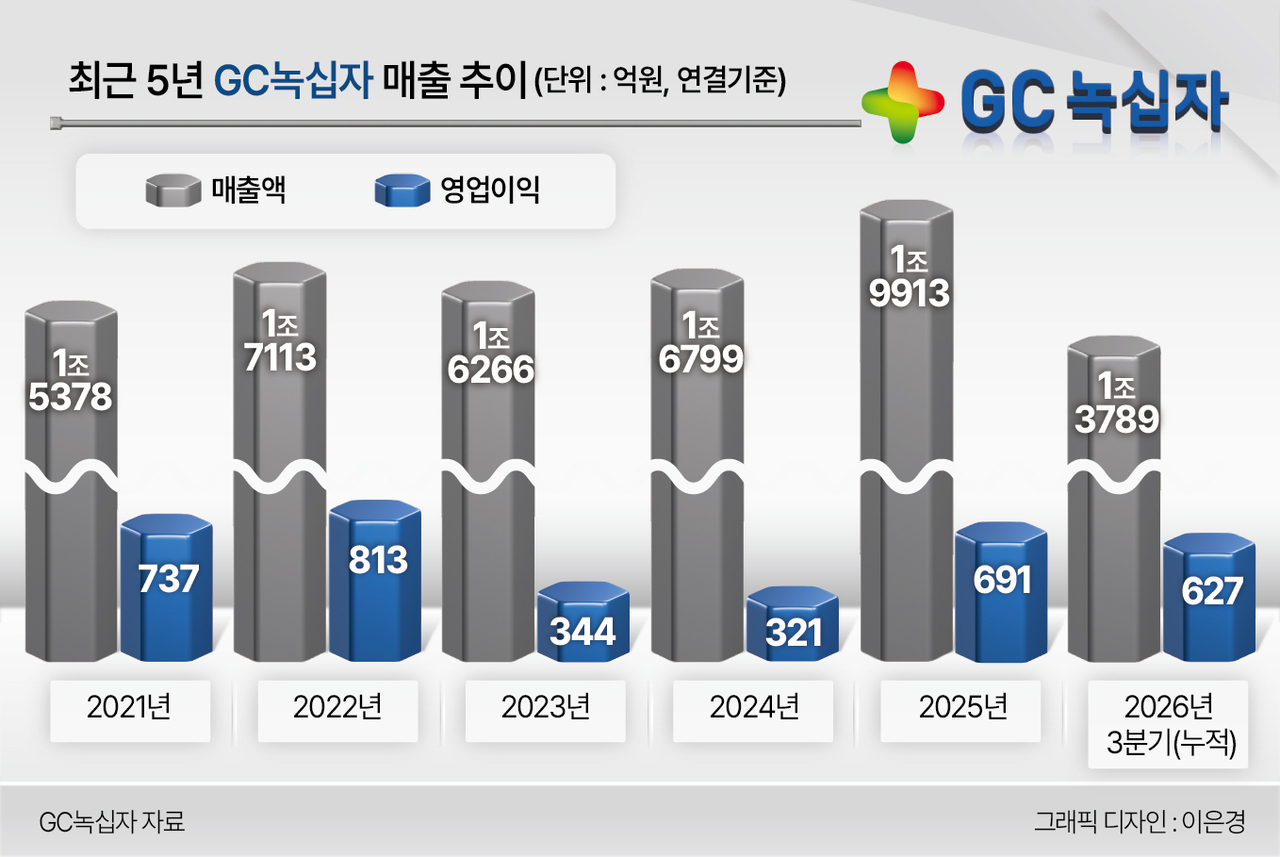
GC Biopharma's transformation in research and development is also showing up in a string of global licensing deals. Moving beyond its earlier model of distribution agreements and minority stakes in biotech ventures, the company has combined its proprietary platform technologies with deep pharmaceutical manufacturing expertise to close a series of high-value international deals.
The most prominent is the out-licensing of LA-GLA (also known as GC1134A or HM15421), a next-generation Fabry disease treatment co-developed with Hanmi Pharm. In October, the two companies signed a global exclusive license agreement with rare-disease specialist BioMarin worth up to $475 million. The deal brought together Hanmi Pharm's long-acting drug platform technology and GC Biopharma's enzyme replacement therapy expertise, accumulated through the commercialization of Hunterase, the world's second approved treatment for Hunter syndrome.
Particularly notable was the upfront payment: roughly 15 percent of the total deal value, or $70 million, was secured as a non-refundable payment despite the program being in the early Phase 1/2 stage — a clear signal of the technology's competitive standing. The deal has been credited with broadening the export horizons of Korean biotech beyond the oncology and obesity treatments that have dominated recent licensing activity, into the rare and intractable disease space.
Earlier, in May, the sale of US affiliate Curevo Vaccine drew wide praise from the biotech industry. Eli Lilly acquired Curevo's entire share capital for up to $1.5 billion, and GC Biopharma, which held a 20.3 percent stake in Curevo, received a substantial upfront cash payment.
The arrangement went well beyond a simple equity gain. GC Biopharma structured a multi-layered cash flow — milestone payments tied to the development of a next-generation shingles vaccine, royalties proportional to post-commercialization sales, and CMO revenue from future finished-product supply.
Restructuring for the 3 trillion won club — AI-integrated mRNA to secure the next growth frontier
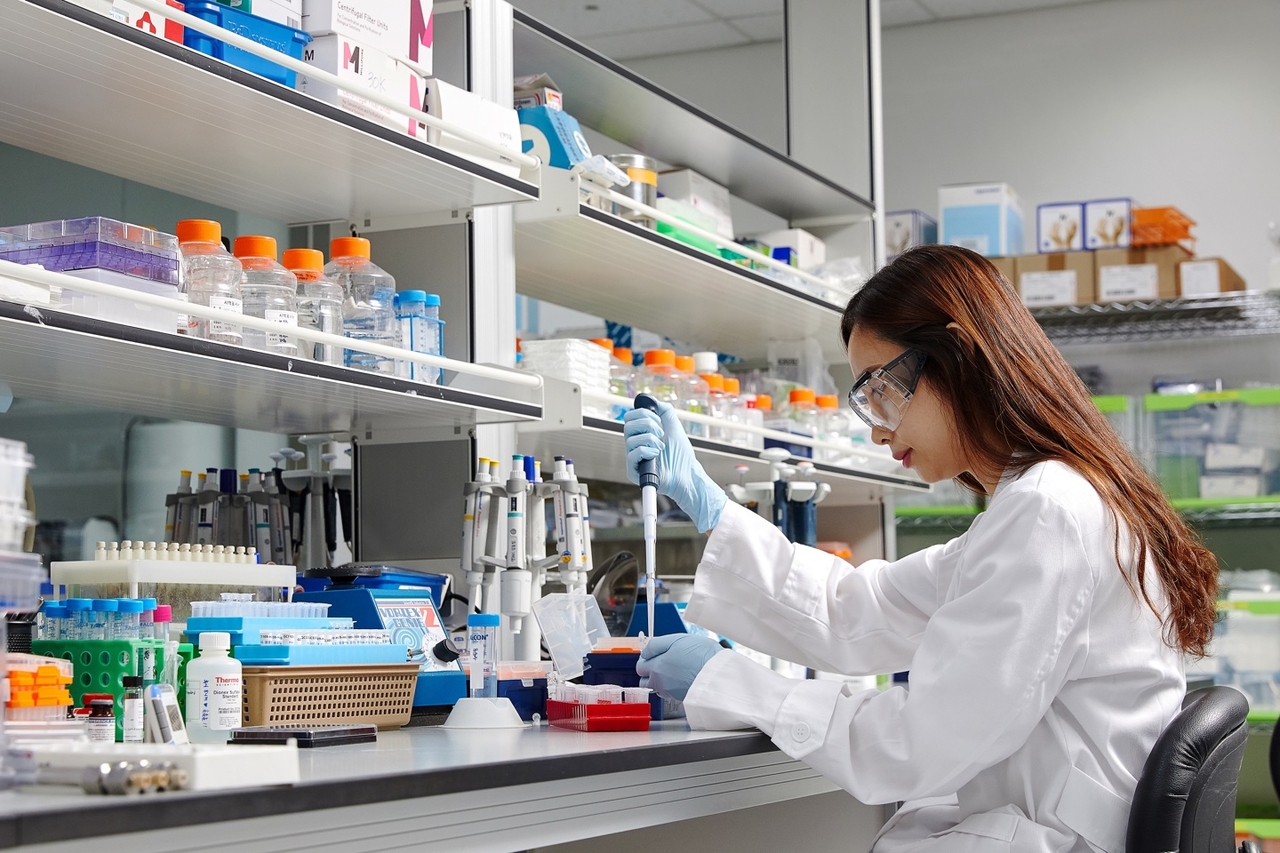
The growth of its core business and the proceeds from global deals have dramatically improved the company's financial position. Consolidated sales rose 18.5 percent from 1.68 trillion won in 2024 to 1.99 trillion won in 2025, driven by the full-scale ramp-up of ALYGLO's US sales and growth across key product lines. Operating profit surged 115.3 percent to 69.1 billion won.
In the third quarter of 2026, the confirmed upfront payment from the Curevo sale flowed in, pushing consolidated quarterly net profit for the period to 208.5 billion won — a more than 1,000 percent increase from the same period a year earlier — and substantially strengthening the company's balance sheet. The large cash reserves generated are being reinvested in future research and development, establishing a virtuous cycle.
GC Biopharma's attention has now turned to a proprietary mRNA-LNP platform and next-generation modalities. Working with the Mogam Institute for Biomedical Research, the company has developed an mRNA sequence optimization technology that uses AI algorithms to improve protein translation efficiency by more than 50 percent compared with global benchmarks. It has also filed patents on eight high-expression lipid nanoparticle formulations and four organ-targeted LNP formulations, and has completed an end-to-end production infrastructure at its Hwasun factory in South Jeolla Province — covering candidate discovery, synthesis, LNP formulation and finished-product manufacturing entirely in-house.
The first product from this platform, a COVID-19 mRNA vaccine (mCOVID, GC4006A), recently completed dosing of its first patient in a Phase 2 trial, keeping the government-backed vaccine self-sufficiency program on track. The company has also begun developing a next-generation in vivo CAR-T therapy in collaboration with Abclon — a treatment designed to generate CAR-T cells directly inside the patient's body without extracting cells — accelerating its evolution into a cutting-edge biotech spanning oncology and rare diseases.
A 60-year journey that began with developing essential medicines for underserved patients is now translating into a major leap: direct sales in the United States and the global export of novel drugs. "Our founding spirit — developing medicines that are difficult to make but indispensable to humanity — has not changed," a GC Biopharma official said. "Building on the success of ALYGLO and an advanced R&D pipeline, we will grow into a global total healthcare leader that transforms the lives of patients with rare and intractable diseases around the world."

silverpaper@heraldcorp.com