Similar events draw opposite responses: 'child abuse' in Korea, 'culture' in Japan
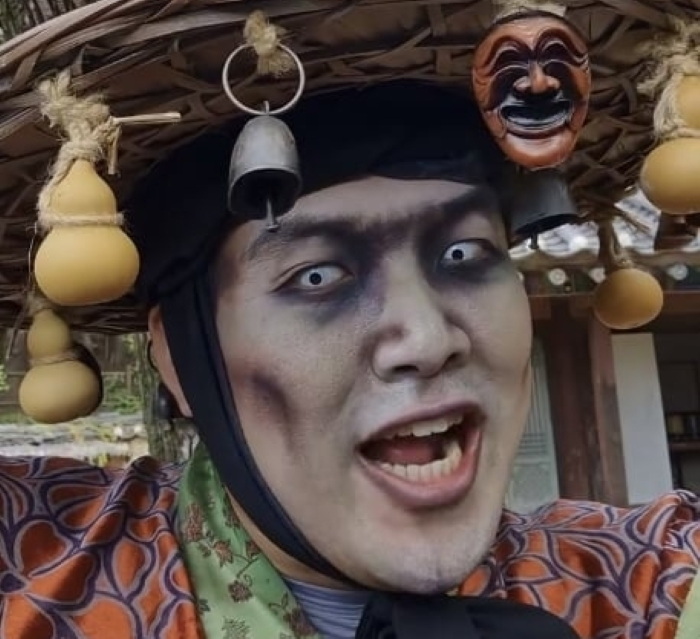
A popular "ghost education" program at the Korean Folk Village — in which costumed performers scare children into better behavior — is facing accusations of child abuse in South Korea, even as Japan preserves a nearly identical folk tradition as UNESCO cultural heritage.
According to Yongin, the city where the Korean Folk Village is located, officials plan to visit the site this month alongside child welfare experts and police to inspect how the program is run. The review was prompted by complaints from some residents who saw footage of the program on SNS and called for it to be suspended, arguing it constitutes emotional abuse.
The central government has also stepped in. The Ministry of Gender Equality and Family recently received complaints about the event and referred the matter to the Ministry of Justice to assess whether it raises any legal issues. The Ministry of Health and Welfare said it, too, needs to consider whether the event warrants a legal response.
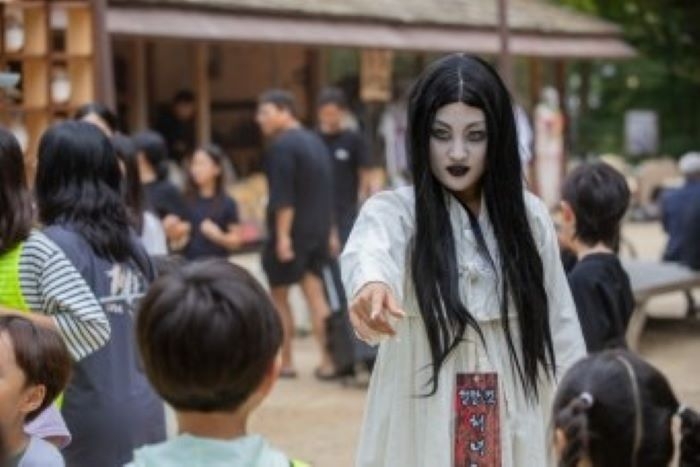
At the center of the controversy is "Ghost True Education," part of the Korean Folk Village's "Ghost Sabba Ghost Play" program. Under the program, costumed ghost performers frighten children into adopting better habits at the request of their parents. For example, if a parent says their child refuses to eat properly, a ghost-costumed actor will shout at the child to finish their meals.
Performers do not approach children or shout at them without a parent's request, and they do not continue to frighten a child who is visibly distressed. The actors are also said to gauge each child's reaction and adjust their performance to an appropriate level.
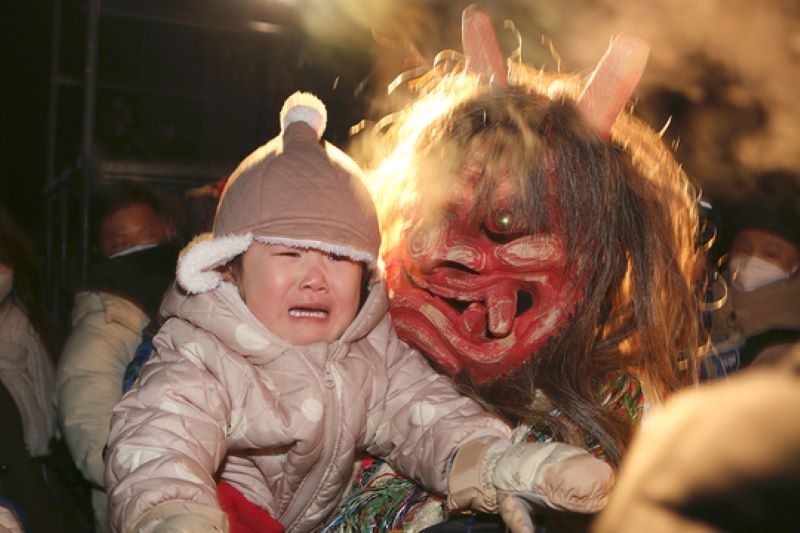
In Japan, by contrast, a nearly identical tradition has been recognized and preserved as a world cultural heritage.
In Akita Prefecture, a festival takes place every New Year's Eve in which demon figures known as Namahage visit homes to frighten children. Young men from the village don demon masks and straw costumes, going door to door and shouting, "Are there any crying children here?" and "Are there any children who disobey their parents?" Children burst into tears while parents try to appease the Namahage by insisting their child has done nothing wrong.
The exact origins of the festival are unclear, but its history runs deep — records of it date to 1811. The Namahage are not simply demons meant to scare children. They are regarded as visiting deities, known as "raiho-shin," who arrive in the village at the new year to scold laziness and bad habits, ward off illness and disaster, and bring good health, bountiful harvests and rich catches to families.
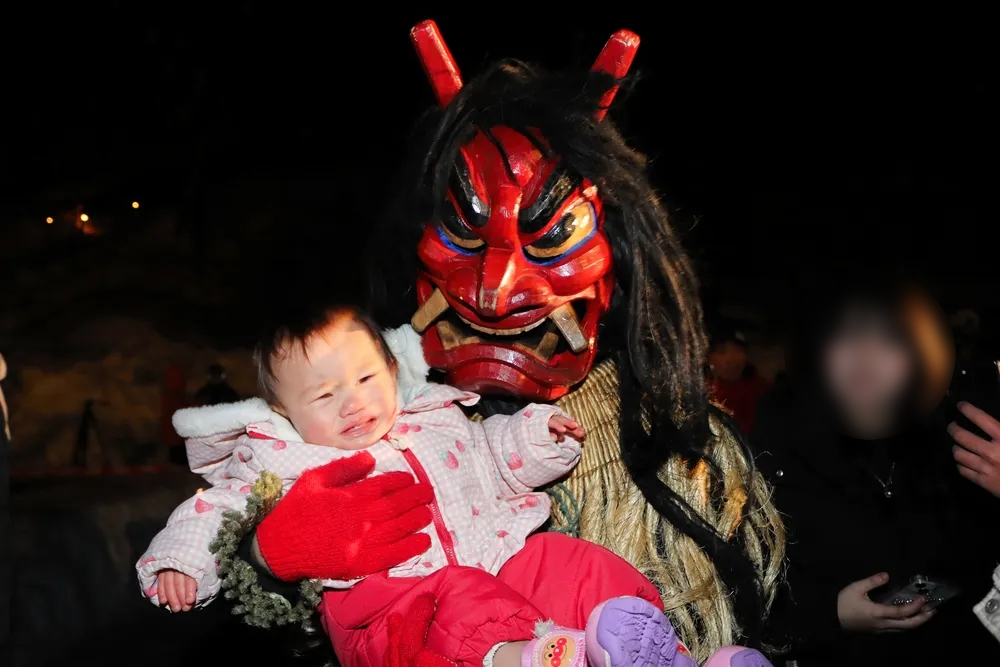
The Namahage was designated an important intangible folk cultural property of Japan in 1978, and in 2018 it was inscribed on the UNESCO Intangible Cultural Heritage of Humanity list as part of a broader grouping of visiting deity rituals performed in masks and costumes across Japan. The contrast is stark: one country reaches for the label of "child abuse" while the other embraces the same kind of event as culture.
Kim Myeong-seop, a senior attorney at law firm Jaegeon, said the standards and scope of what constitutes child abuse are being applied too broadly. "We are in a transitional period in which legal systems are taking root as social awareness of child abuse grows," Kim said. Kim added that while the event might be worth examining under child abuse charges from a strictly legal standpoint, "it seems unreasonable, from a social common-sense perspective, to hold a ghost character liable for child abuse."
123@heraldcorp.com