Five-department TF targets budget accuracy and contract transparency; VAT refund claims recover 2.34 billion won over five years
Seoul's Mapo-gu has launched a comprehensive review of its fiscal operations — from budget planning and execution to revenue management — aimed at eliminating unnecessary spending and improving the accuracy of revenue forecasts to strengthen financial soundness and efficiency.
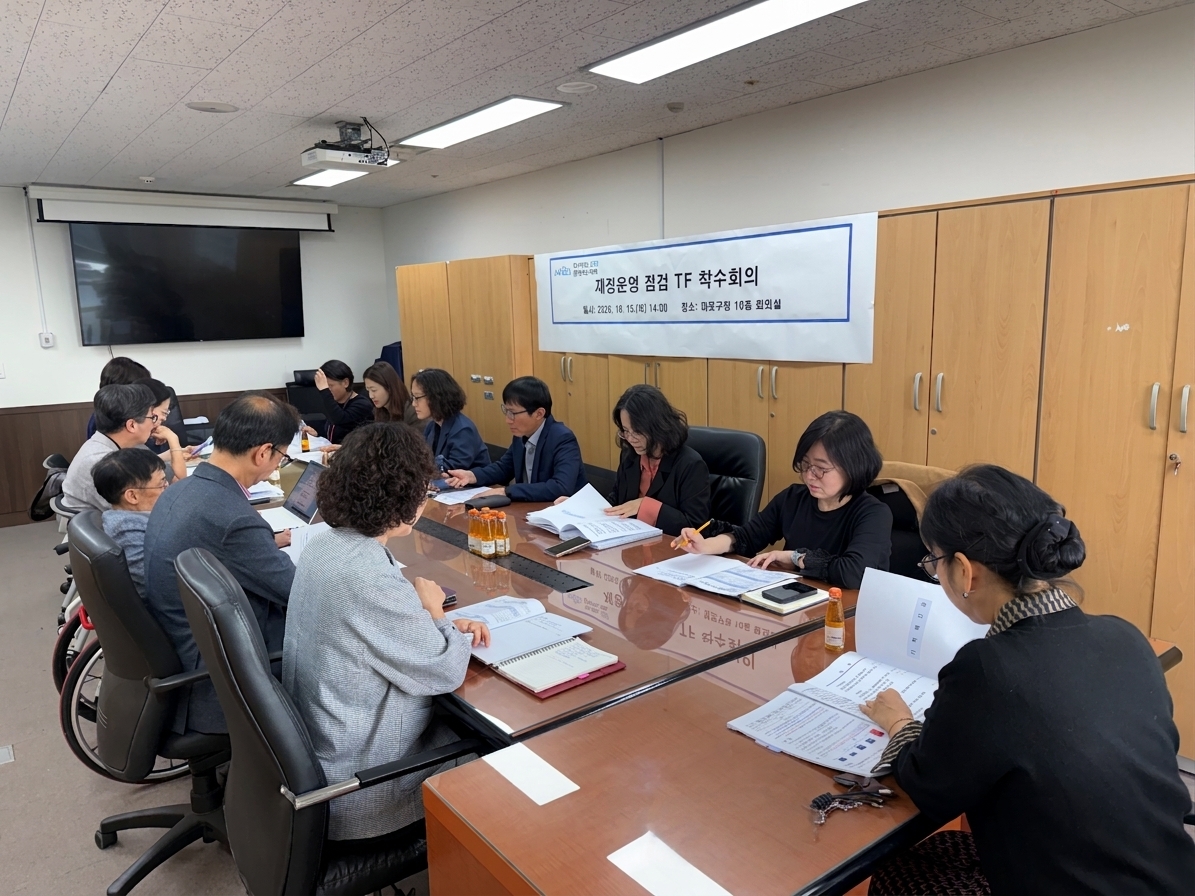
The district said it has formed a fiscal operations task force drawing on five departments within its planning and finance bureau, with the first meeting held in October.
The task force was established to review all aspects of fiscal management, including budgeting, procurement and revenue collection, share findings across departments and develop concrete improvement measures.
On the budget side, Mapo-gu will overhaul how it estimates the net fiscal surplus carried over each year. Rather than applying a five-year average rate of change as before, the district will conduct a full survey of every department's current-year revenue and expenditure to sharpen forecast accuracy. Designated reserve surpluses and fund fluctuations will also be factored in comprehensively when drafting the following year's budget, moving away from formulaic estimates toward projections that reflect actual fiscal conditions.
The district will also tighten transparency in contract administration. It plans to require pre-review confirmation documents for each type of contract — construction, services and supplies — and distribute checklists covering key verification steps to all departments.
Particularly for new and junior civil servants, the district will offer small-group, on-site training delivered directly to departments and community service centers, replacing conventional group sessions. The aim is to prevent contract-related errors and problems before they arise.
On the revenue side, the district will hold regular collection strategy meetings to analyze quarterly revenue conditions and develop systematic collection plans.
Mapo-gu will step up investigations into building permit targets and emerging business types such as unmanned stores, and will tighten post-management of tax-exempt and tax-reduced real estate. The district plans to identify overlooked taxable subjects while building a focused collection system targeting high-value delinquents to broaden its revenue base.
VAT refunds will also serve as a key revenue tool. The district will proactively review whether input tax credits and refunds are available for expenditures related to taxable activities, securing revenue that might otherwise be missed.
Mapo-gu has recovered a total of 2.34 billion won ($1.72 million) through VAT amended return claims over the past five years. The district also plans to conduct a full survey of input tax credits on newly built district-owned properties to identify additional refund opportunities.
Through the task force, Mapo-gu said it will continuously monitor vulnerabilities in its fiscal operations, reduce sources of budget waste and at the same time work to expand its own revenue base.
"We will look ahead to potential problems in fiscal management, cut unnecessary spending and build a solid revenue foundation," Mapo-gu District Mayor Yoo Dong-gyun said. "We will keep a close eye on every detail to ensure that residents' hard-earned tax money is spent transparently and efficiently, without waste."
seouldream01@heraldcorp.com