The competitive landscape in the hotel and resort industry is shifting. Competing on hardware — room size, pools and auxiliary facilities — is giving way to a new model. A growing number of properties are leading with distinctive art exhibitions, performances and festivals, transforming accommodation itself into a destination and cultural space.
Eland Park opened Grand Kensington Seorak Beach in Goseong-gun, Gangwon Province in October — a 100-percent members-only luxury resort built around the concept of "Art Stay," in which the time spent there becomes an act of artistic appreciation. The resort presents a "Masters of Contemporary Art" exhibition that turns the entire property into a single gallery.
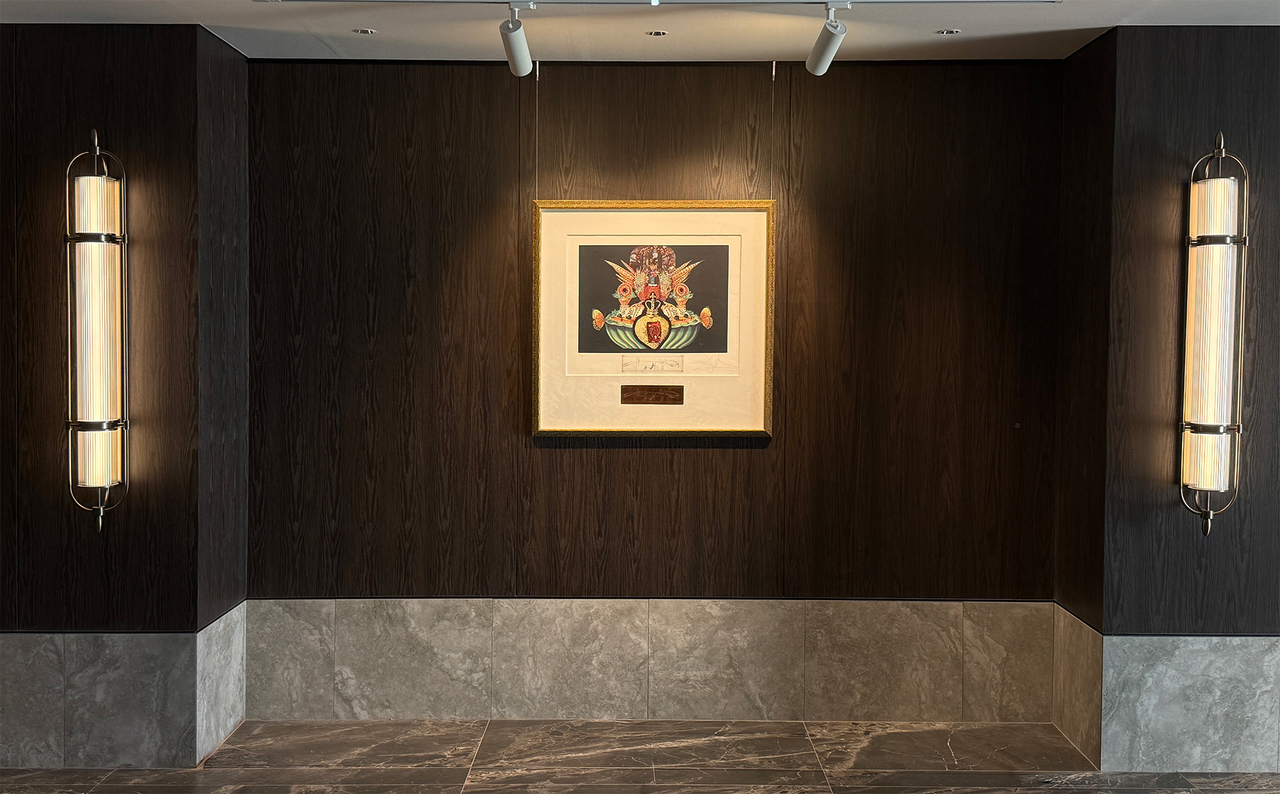
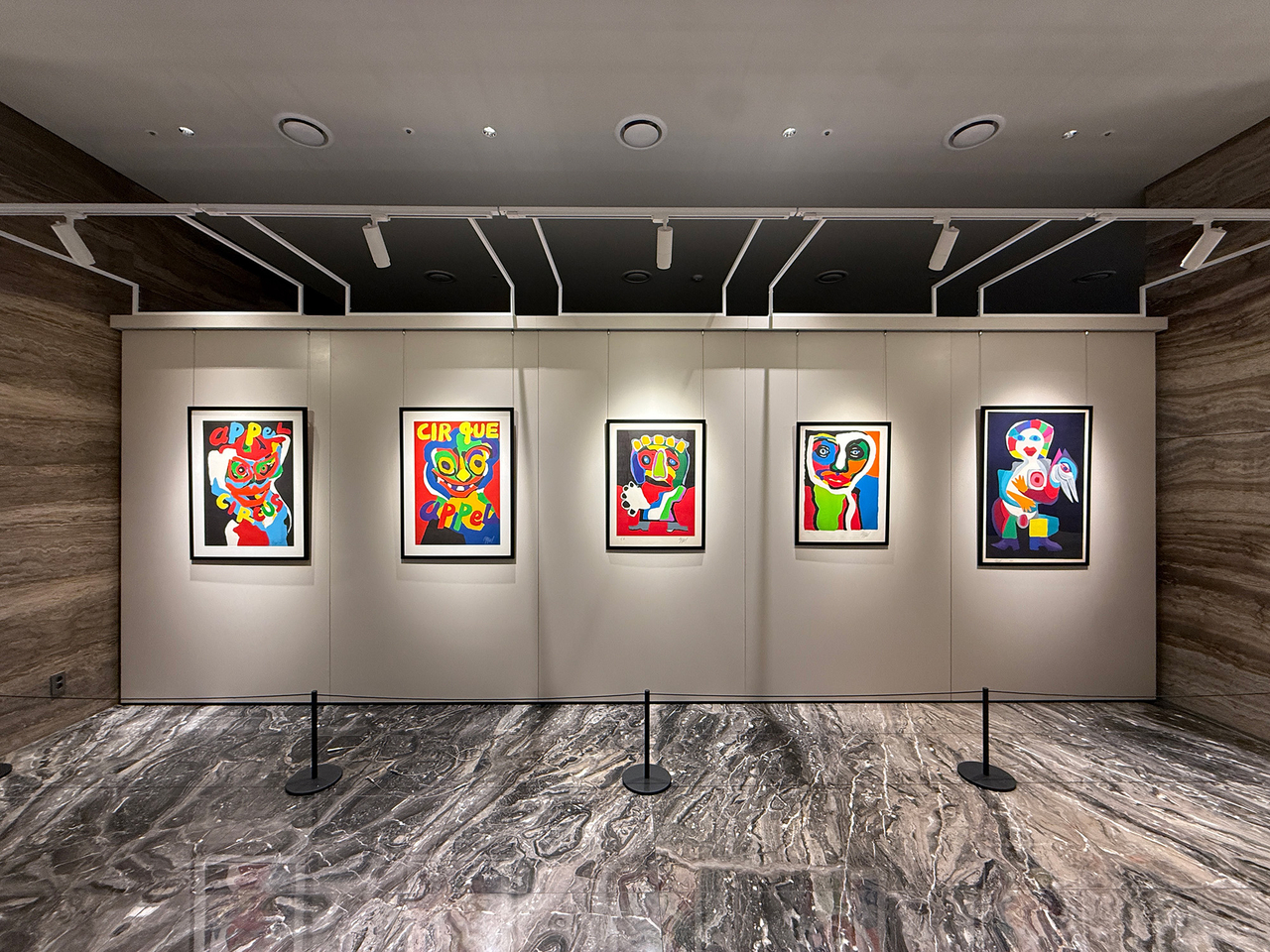
What stands out is the approach to display. Rather than confining works to a dedicated exhibition hall, the resort has placed them throughout the spaces guests pass through every day — the lobby, restaurants and corridors. A signature piece by French sculptor Niki de Saint Phalle anchors the lobby, while works by masters including Karel Appel and Salvador Dalí are scattered throughout the property.
The design allows guests to take in world-class works during check-in or over a meal, evoking the feel of a private gallery. As a members-only resort, it targets the top one percent of customers — people who want not a larger room but an experience unavailable to anyone else.
Eland Park plans to grow the resort into a cultural and artistic platform by drawing on more than 30 years of acquisitions held by Eland Museum. "We will collaborate with Eland Museum to present works by the masters and strengthen the resort's position as the country's leading art-and-culture resort — one where simply staying is itself an artistic experience," a company official said.
Seoul's Shilla Hotel has taken a different approach, bringing art fairs directly into its spaces. In March it hosted the Unknownvibe Art Fair, and in June it held Seoul Art Salon 2026. Both events drew praise for giving guests private access to contemporary works in guest rooms and lounges, along with opportunities to engage with participating artists and gallerists.
Exhibitions are also running throughout the hotel — in the lobby, the arcade and other common areas. In the lobby, visitors can see "Aggregation," a signature installation by Park Seon-gi known for evoking the Milky Way, alongside Lee Bae's "Brushstroke" series. On the 23rd-floor rotunda, works by both Park and Lee will remain on view through early September next year in honor of Frieze Seoul 2026.
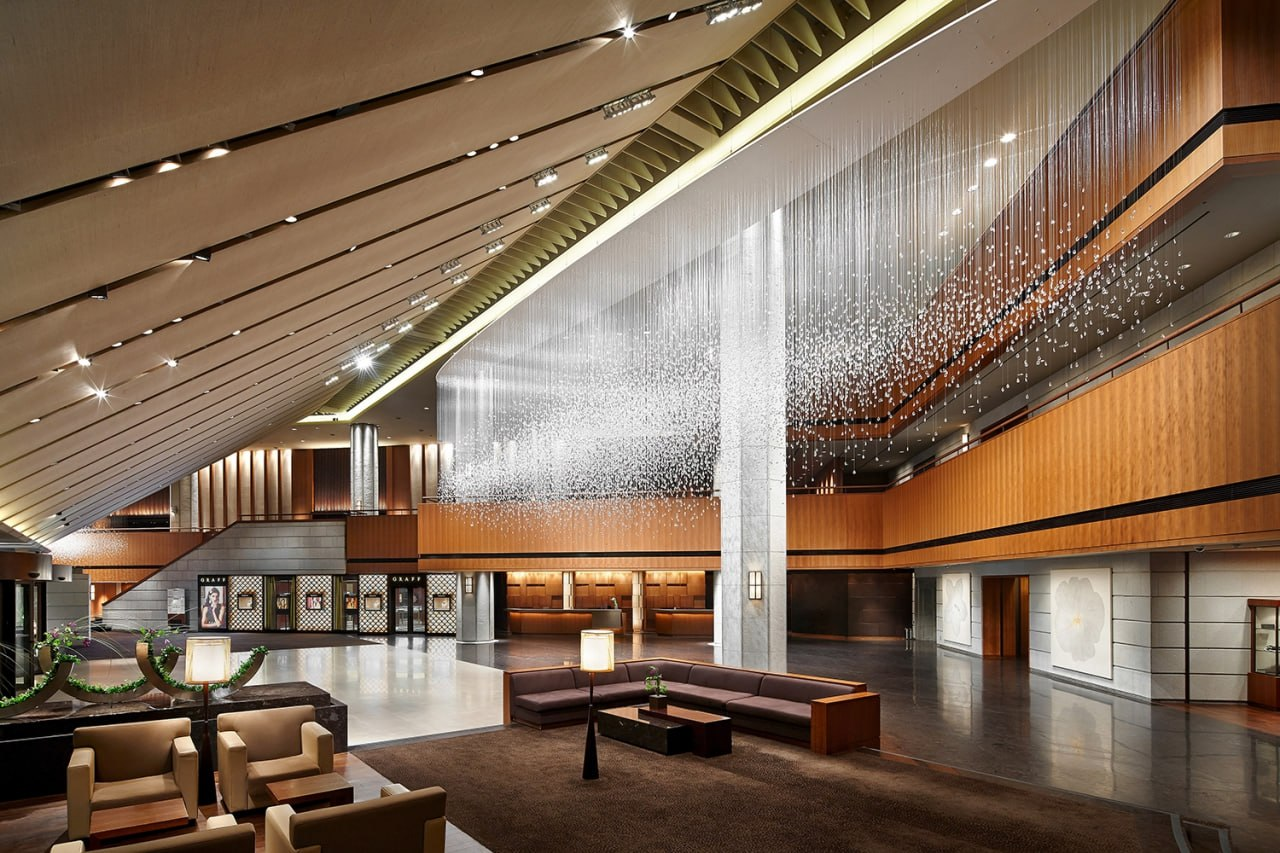
Lotte Hotel Jeju opened an outdoor gallery called Blue Art along a first-floor promenade in July. Operated by the International Blue Art Fair, the space presents works by distinctive Korean and international artists. Lotte Hotel Ulsan held a "Hotel Art Show" in early November, turning guest rooms, the lobby and lounges into exhibition spaces for more than 300 paintings and sculptures. The Grand Lotte Seoul, which reopened after a renovation in August, has hung works by Park Seo-bo, Choi Myung-young and Yoo Choong-mok throughout the property.
Paradise City, the integrated resort on Yeongjongdo, is betting on music. This year alone it has staged a string of major festivals — Asian Pop Festival 2026, One Universe Festival 2026, Sound Planet Festival 2026 and XMF 2026 — targeting demand for what the industry calls "entercance," a portmanteau of entertainment and staycation.
Industry players point to a broader shift in consumer behavior — from ownership to experience — as the force driving this trend. In their annual luxury market report, global consultancy Bain & Company and Italian luxury industry association Altagamma noted a clear and growing tendency among consumers to spend more on luxury experiences such as hospitality, cruises and fine dining rather than purchasing new luxury goods.
South Korea is no exception. The Korea Tourism Organization identified "N-polar consumption" — the simultaneous pursuit of luxury and value — as a defining keyword in its 2026 Tourism Trends report. The analysis found that value-driven spending, in which consumers invest boldly in experiences that matter to them while cutting back sharply elsewhere, will increasingly fragment the travel market. That is precisely why hotels and resorts are doubling down on experiences available nowhere else.
"The criteria customers use to choose a hotel are shifting from 'where should I sleep?' to 'what will I experience?'" an industry official said. "As differentiation through accommodation products alone becomes harder, a hotel or resort's ability to design experiences that are only possible in that specific space will define its brand competitiveness."

spa@heraldcorp.com