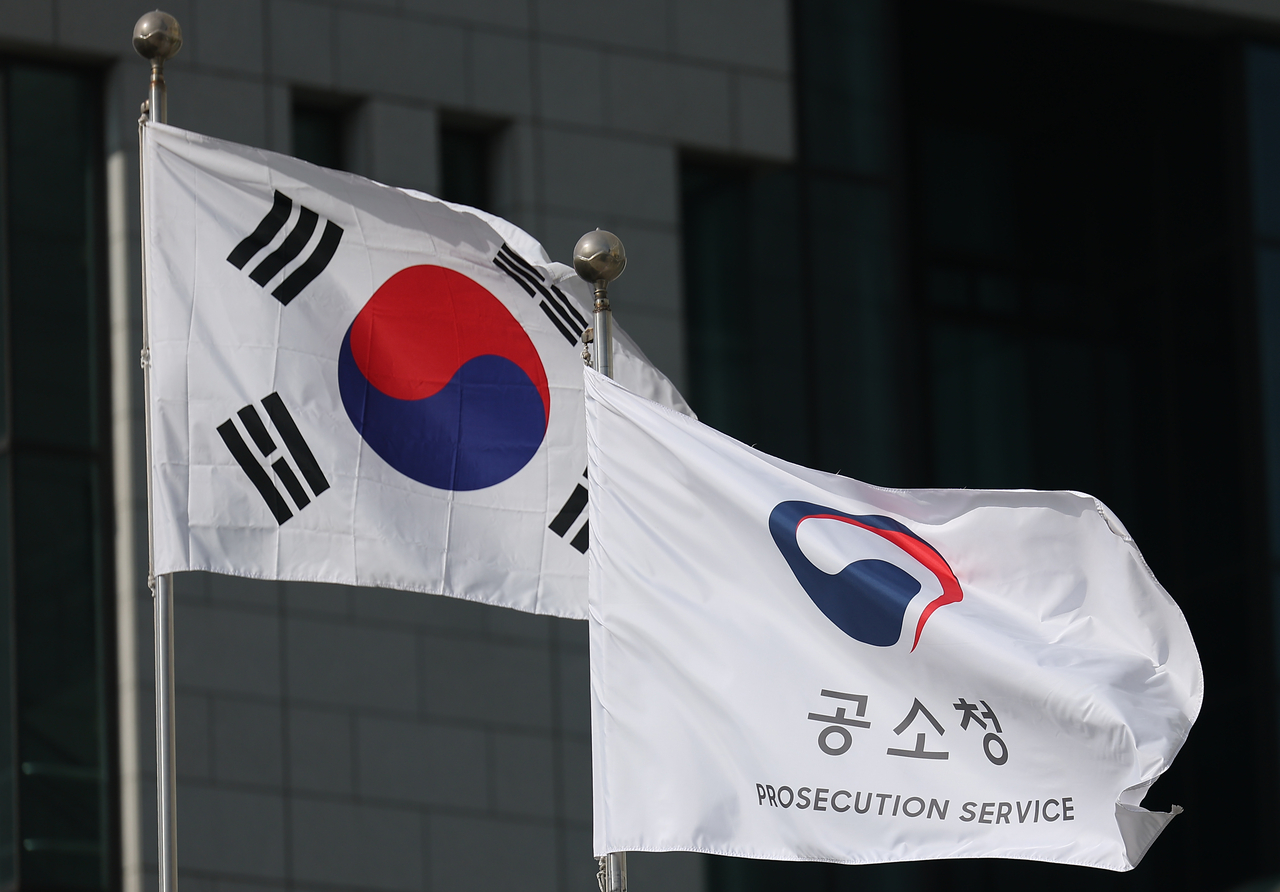
Public Prosecution Service reveals key cases since introducing pre-arrest warrant interviews and fact-verification procedures
A suspect detained and referred to prosecutors on charges including property damage was released and cleared of all charges after prosecutors at the Public Prosecution Service verified the facts of the case. The reversal came after a prosecutor heard directly from the victim and found the account contradicted the facts as presented by police.
A separate case saw police ordered to take corrective action after prosecutors confirmed that officers had forcibly entered a room and secured evidence without a warrant. Both cases illustrate how the pre-arrest warrant interview and fact-verification procedures — introduced alongside the launch of the Public Prosecution Service last month — are being applied in practice.
The Public Prosecution Service on Wednesday released details of key cases handled under the two procedures since their introduction. Both were established Oct. 2 alongside the enforcement of an amended Code of Criminal Procedure. With prosecutors' direct investigative authority abolished, the procedures were designed to strengthen judicial oversight — allowing prosecutors to hear directly from those involved in a case and assess whether investigations by law enforcement agencies have been conducted appropriately.
The pre-arrest warrant interview procedure allows a prosecutor to hear directly from a suspect and defense counsel before deciding whether to request an arrest warrant, and to confirm the key issues in the case and the grounds for detention. The fact-verification procedure involves hearing statements from the suspect, other parties to the case, and the investigating officers to establish facts that cannot be determined from the case file alone.
One of the most notable cases was handled by the Seoul Central District Public Prosecution Service. According to the agency, a suspect identified only as A was detained and referred on charges of breaking a mirror belonging to the victim and threatening the victim with a towel rack — classified as a dangerous object. When a prosecutor heard separately from both the suspect and the victim during the fact-verification process, the accounts were found to conflict with the original charges. After reviewing objective evidence including crime scene photographs consistent with the victim's statement, the prosecutor canceled A's detention and issued a disposition of no charges due to insufficient evidence.
Since the procedures took effect, the rate at which prosecutors rejected arrest warrant requests submitted by investigative agencies rose 6.1 percentage points in October compared with September. At the same time, the rate at which courts rejected warrant requests filed by prosecutors fell 0.7 percentage points over the same period.
A detained suspect was also released through the fact-verification procedure at the Andong branch office. The case involved a suspect identified as B, who had been detained and referred on charges of withdrawing and delivering money deposited into their account from an illegal online gambling site. During the fact-verification process, prosecutors found that the point at which police determined B had become aware of the criminal nature of the transactions was later than the period of criminal activity stated in the arrest warrant. The prosecutor accordingly canceled the detention and called for police to conduct additional investigation.
The Public Prosecution Service also caught an instance of unlawful evidence collection by police. The Seoul Southern District Public Prosecution Service, while verifying the facts of a prostitution solicitation case, heard from the suspect's defense counsel that evidence had been obtained unlawfully. Prosecutors subsequently confirmed that police had forcibly opened and entered a room without a prior warrant before obtaining the evidence through a voluntary submission. According to the agency, police sent the case to prosecutors based on that evidence without applying for a post-facto warrant. The prosecutor called for supplementary investigation and demanded corrective measures to prevent a recurrence.
"We will focus on the Public Prosecution Service's core duties — uncovering the substantive truth, verifying the legality and appropriateness of investigations, ensuring suspects' right to mount a defense, and protecting the rights and interests of all parties involved in a case," an agency official said.
yg@heraldcorp.com