Direct election system to launch in 2028, merged with cooperative elections from 2031
Independent audit body to be established for stronger internal controls
Personnel interference banned, member access to information expanded
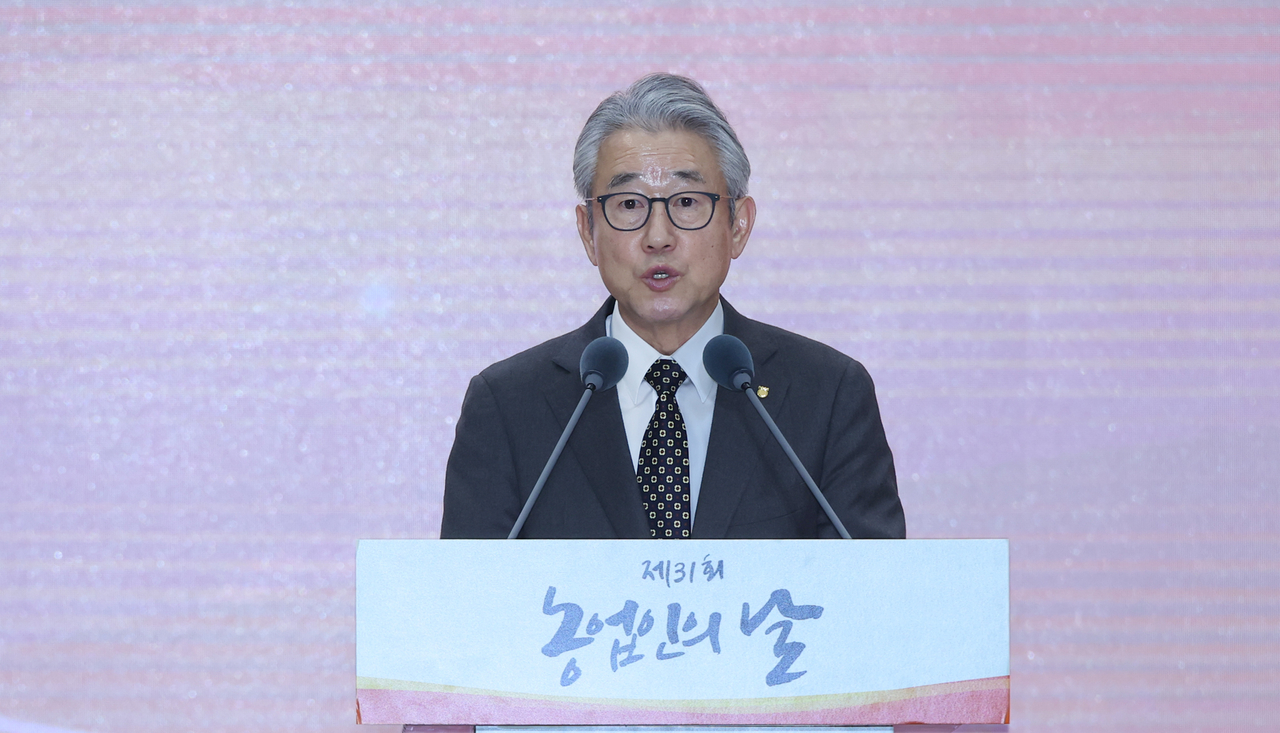
A bill to reform the National Agricultural Cooperative Federation — known as NongHyup — passed a National Assembly standing committee Wednesday. The legislation would allow about 1.87 million cooperative members to directly elect the federation's chairman, replacing a system in which only 1,104 cooperative heads cast votes. It also calls for separating the federation's internal audit function into an independent legal entity and restricting the chairman's ability to interfere in subsidiary personnel and management decisions. The reform package is designed to curb recurring vote-buying scandals and misconduct and to build a member-centered governance structure.
The Ministry of Agriculture, Food and Rural Affairs announced Thursday that the bill — a consolidated alternative amendment to the Agricultural Cooperatives Act incorporating a direct member election system for the NongHyup chairman and the creation of a new NongHyup Audit Committee — passed a plenary session of the National Assembly's Agriculture, Food, Rural Affairs, Oceans and Fisheries Committee on Wednesday.
The amendment was drafted on the basis of a NongHyup reform plan developed through ruling party-government consultations in March and April, and was subsequently revised following legislative subcommittee reviews and public consultations. The Assembly held seven rounds of subcommittee hearings between April 28 and Nov. 3.
The most significant change concerns how the NongHyup chairman is chosen. Under the current system, 1,104 cooperative heads nationwide cast ballots to elect the chairman. The amended bill would instead give about 1.87 million individual cooperative members — excluding those with duplicate memberships — one vote each, allowing them to participate directly in the election.
The direct election system will take effect starting with the next NongHyup chairman election in 2028. The term of the chairman elected in 2028 will be shortened to end on the date of the nationwide simultaneous cooperative head elections in 2031, after which the NongHyup chairman election will be held concurrently with those elections. A special provision also allows the next chairman, whose term will be cut short, to seek one additional consecutive term.
Candidate eligibility requirements have also been tightened to reduce concerns about political polarization accompanying the shift to a direct election system. Candidates must maintain cooperative membership for a set period and make use of the cooperative's economic services. They will be barred from holding political party membership from three years before the election announcement date through the end of their term, though a one-year standard will apply for the 2028 election.
The federation's internal audit structure will also be overhauled. Functions currently performed by the cooperative audit committee within the federation will be spun off into a separate, non-capital special legal entity to be called the NongHyup Audit Committee. The federation and its member cooperatives will participate as members, but the new body will carry out its audit duties independently.
The composition of the audit committee will also change. Previously, the federation's personnel recommendation committee nominated the committee chair, who then appointed the other members. Under the new framework, the Ministry of Agriculture, Food and Rural Affairs, the Korean Bar Association and the Korean Institute of Certified Public Accountants will each recommend one member, and the federation will recommend two, for a total of five.
Another notable change is the shift from a system in which the government appointed the audit committee chair to one in which the members elect the chair among themselves. The move is intended to respect NongHyup's autonomy while securing the independence and expertise of the audit body.
The separation of the audit function will proceed in stages. An implementation plan must be submitted within six months of the law's passage, the internal cooperative audit committee must be spun off within one year, and full incorporation as an independent legal entity must be completed within two years. The Ministry of Agriculture, Food and Rural Affairs will also be granted authority to order audits of the federation's holding company and subsidiaries, as well as the right to conduct joint audits.
Member access to information will be broadened as well. The threshold for requesting access to cooperative accounting books and copies of documents will be lowered from the current requirement of 100 members or at least 3 percent of total membership to 30 members or at least 3 percent.
A new right will also be established allowing 100 or more individual members to directly request information disclosure from the federation. Previously, such a request required at least 3 percent of all cooperatives — roughly 33 cooperatives. Provisions for closing out repetitive requests have been included to reduce the administrative burden.
The federation's personnel recommendation committee will include one outside expert recommended by the agriculture minister in consultation with the federation chairman. The committee's independent operations — including candidate recruitment and screening — will be guaranteed, and improper interference by the federation or other parties will be prohibited.
The chairman and other executives will be barred from exerting undue influence over subsidiary personnel and management decisions, demanding unlawful acts, or making improper requests for information or transactions. The chairman will in principle be prohibited from holding concurrent positions related to official duties, though exceptions may be recognized through the articles of association when necessary to fulfill the federation's founding objectives.
Internal controls at member cooperatives will also be strengthened. Directors and auditors at individual cooperatives will be limited to two consecutive terms, and an independent director system will be introduced. Compliance oversight functions will be reinforced, and directors will be subject to a newly established duty of loyalty to cooperative members.
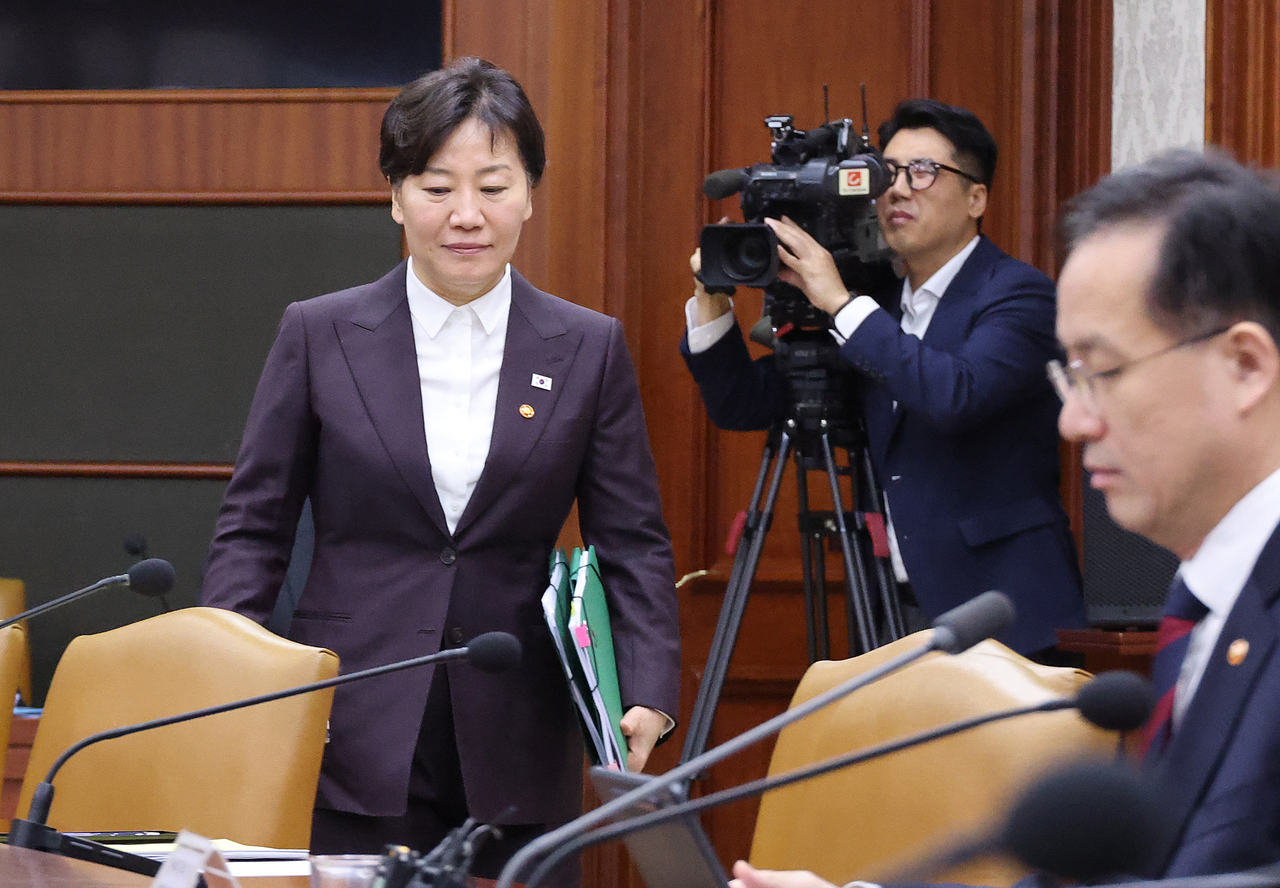
The bill must still clear the National Assembly's Legislation and Judiciary Committee and pass a full plenary vote before it becomes law. The Ministry of Agriculture, Food and Rural Affairs said it is preparing to revise subordinate regulations and articles of association in anticipation of the legislative change, and plans to pursue follow-up reform measures including revitalizing economic operations and strengthening the role of urban cooperatives.
"This amendment reflects the intent of NongHyup reform while incorporating input from National Assembly deliberations and on-the-ground voices to improve the feasibility of the system," Agriculture Minister Song Mi-ryeong said. "We will work to strengthen member participation and NongHyup's capacity for self-correction so that it can reinvent itself as a cooperative truly serving farmers and rural communities."
adastra@heraldcorp.com