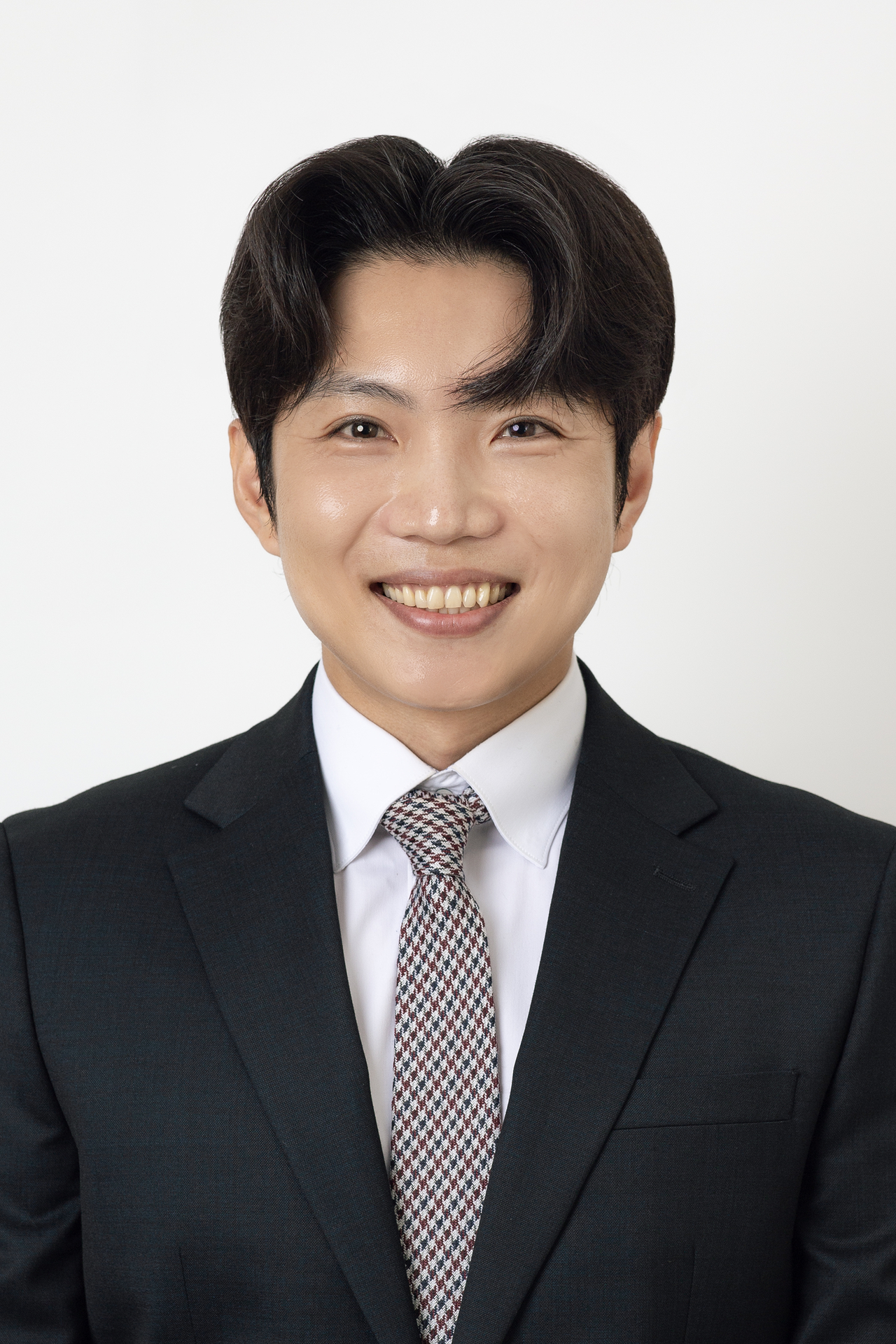
Author served as senior expert at Assembly's Legislation and Judiciary Committee and Ministry of Economy and Finance
Book flags note-passing and backroom budget practices, offers 10 guiding principles
Covers budget formulation, execution and settlement, with proposals to reform Assembly review
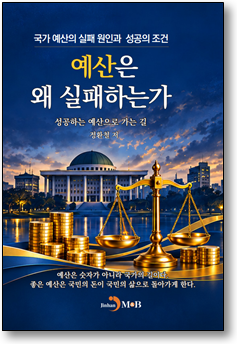
Jeong Hwan-cheol, former senior expert at the National Assembly's Legislation and Judiciary Committee, has published a new book titled "Why Budgets Fail," examining problems in the formulation, review and execution of the national budget and proposing ways to address them.
According to publishing industry sources Thursday, the book draws on Jeong's hands-on experience in budget affairs, accumulated through roles including legislative reviewer at the National Assembly Budget and Accounts Special Committee, head of the budget analysis division at the National Assembly Budget Office, and a secondment to the budget bureau of the Ministry of Economy and Finance.
Jeong argues that a budget is not merely a matter of numbers or accounting but a means of demonstrating the state's policy priorities and its responsibility toward citizens' lives. The same amount of money, he writes, can become either a worthwhile investment in the future or wasteful spending, depending on which projects receive it and how it is carried out.
The book proposes four criteria for evaluating a sound budget — necessity, validity, sustainability and performance — a framework the author calls "Piltajisung." The underlying argument is that the necessity of a project alone cannot justify budget allocation; policy validity, fiscal sustainability and actual outcomes must all be weighed together.
The book also lays out 10 guiding principles for budget formulation and review — covering aggregate balance, equity, transparency, participation, efficiency, performance, accountability, a future orientation and fiscal soundness — in a framework the author calls "Yesansipdo."
The book takes on entrenched practices in the National Assembly's budget review process, including note-passing budgets, KakaoTalk budgets, backroom budgets, opaque budgets and pork-barrel allocations. Jeong diagnoses non-transparent review and a lack of performance accountability in execution and settlement as the root causes of recurring budget waste.
Among the remedies proposed are making the preliminary reviews by standing committees more substantive, considering the introduction of subcommittees by sector within the Budget and Accounts Special Committee, strengthening transparency and openness in small working-group sessions, and reinforcing performance evaluation and settlement reviews. The book also puts forward deliberative budgeting — bringing diverse local stakeholders into the regional budget process — as an alternative approach.
Lee Gwang-jae, chairman of the National Assembly Budget and Accounts Special Committee, wrote in a foreword that "a budget is not a simple number but the direction of the state, and public money must return to the public's lives," adding that the book "examines the entire budget process for making a good budget and offers criteria for judging one, including Yesansipdo and Piltajisung."
Song Seok-jun, chairman of the National Assembly Foreign Affairs and Unification Committee, also offered praise, saying "the true measure of a budget lies not simply in increasing its size but in rationally setting policy priorities, achieving fair allocation and performance, and realizing responsible fiscal management."
Jeong currently serves as a professor at the National Assembly Institute for Legislative Studies. He previously held positions including expert at the National Assembly's Political Affairs Committee, expert at the Culture, Sports and Tourism Committee, and director of the public affairs bureau of the National Assembly Secretariat.
thanks@heraldcorp.com