Nvidia's 33-year one-man rule leaves no clear successor
Industry risks losing its 'central bank' role
AI deregulation shield may crumble without Huang
AMD, Google could emerge as unlikely beneficiaries
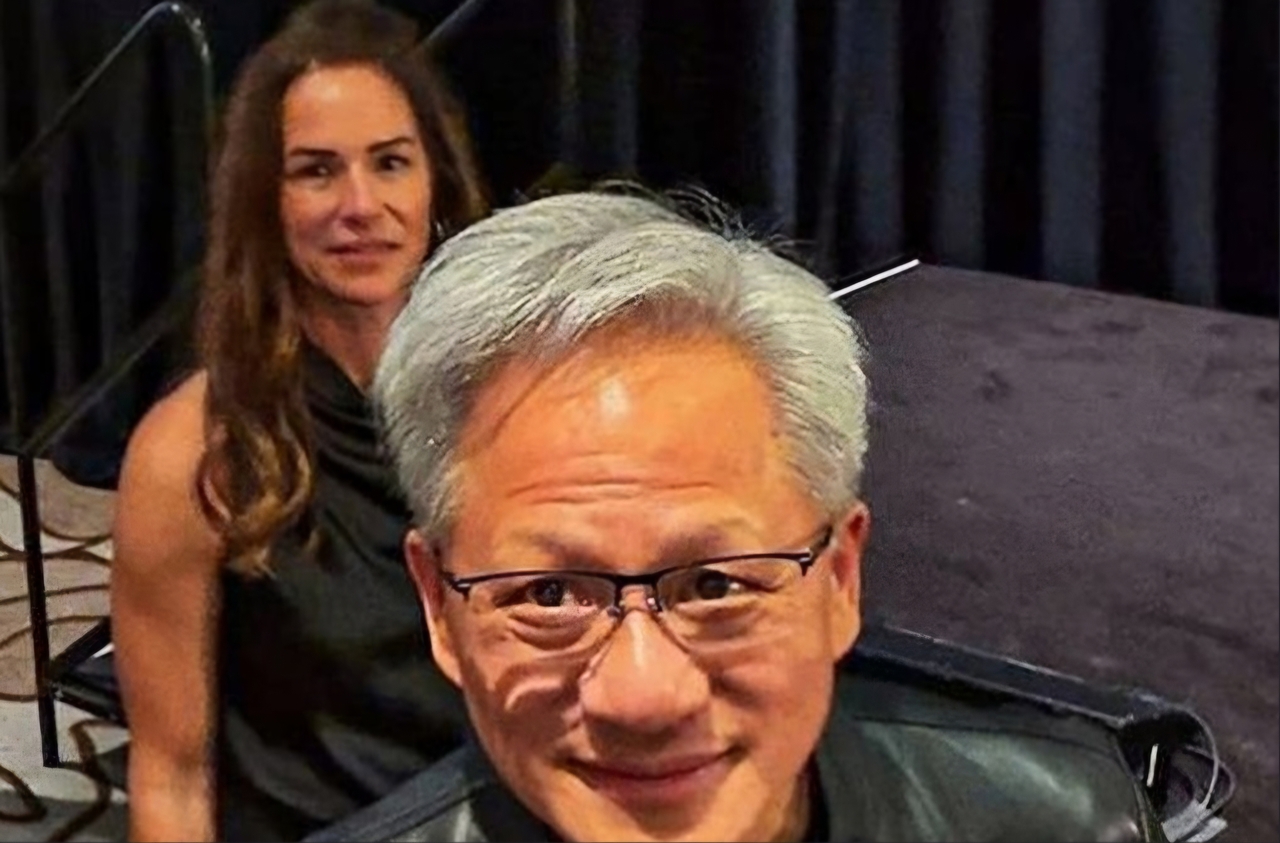
Nvidia CEO Jensen Huang is facing dismissal after allegations of an extramarital affair within the company compounded earlier claims linking him to a Chinese spy, bringing his tenure to a potential breaking point Wednesday (local time). The crisis engulfing the head of the company that effectively controls the global AI semiconductor market is expected to send significant ripples across the entire AI industry. Should Huang — who has steered Nvidia for 33 years and built it into the AI sector's most critical company — be forced out, analysts warn that sweeping changes to global AI investment, supply chains and industry leadership would be all but inevitable.
Nvidia is Jensen Huang — and there's no one waiting in the wings
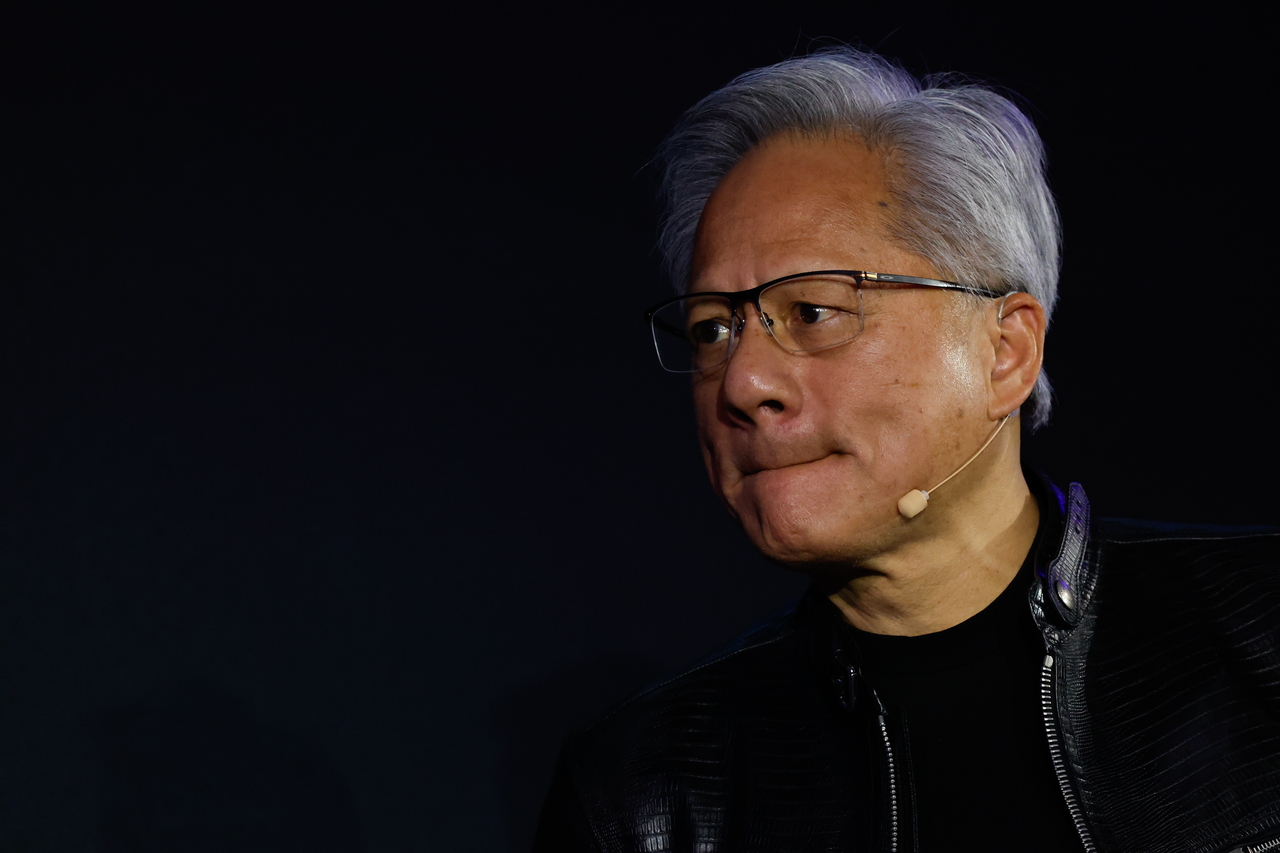
Whether Nvidia can continue to lead the industry in Huang's absence — he has run the company since its founding in 1993 — remains deeply uncertain.
One of the clearest demonstrations of Huang's vision came after the COVID-19 pandemic, when the bitcoin mining boom faded and Nvidia found itself in crisis. Huang pivoted the company decisively toward AI accelerators, and he did not stop there — he went on to introduce data center CPUs for the AI agent era, open-source AI models, an autonomous driving platform and a robotics platform, moves that proved decisive in keeping Nvidia at the forefront of the AI industry.
Throughout this period, Huang has operated without a clear deputy or designated successor, receiving daily direct reports from roughly 60 executives and holding an effective monopoly over major decisions.
Steven Witt, who wrote a biography of Huang, told CNBC that he could not say what Nvidia would be worth without Jensen. "Nvidia is Jensen Huang," Witt said. Stacy Rasgon, a senior analyst at Bernstein, echoed that view. "Nvidia is not a normal company, and Jensen is not a normal CEO," Rasgon said. "He is Nvidia itself."
Brad Gastwirth, global head of research at Circular Technology, had previously noted that Huang's personal stake of 3.56% — the largest individual holding — would give him enormous influence over any succession process.
Can Nvidia keep playing 'central bank' to the AI industry without Huang?
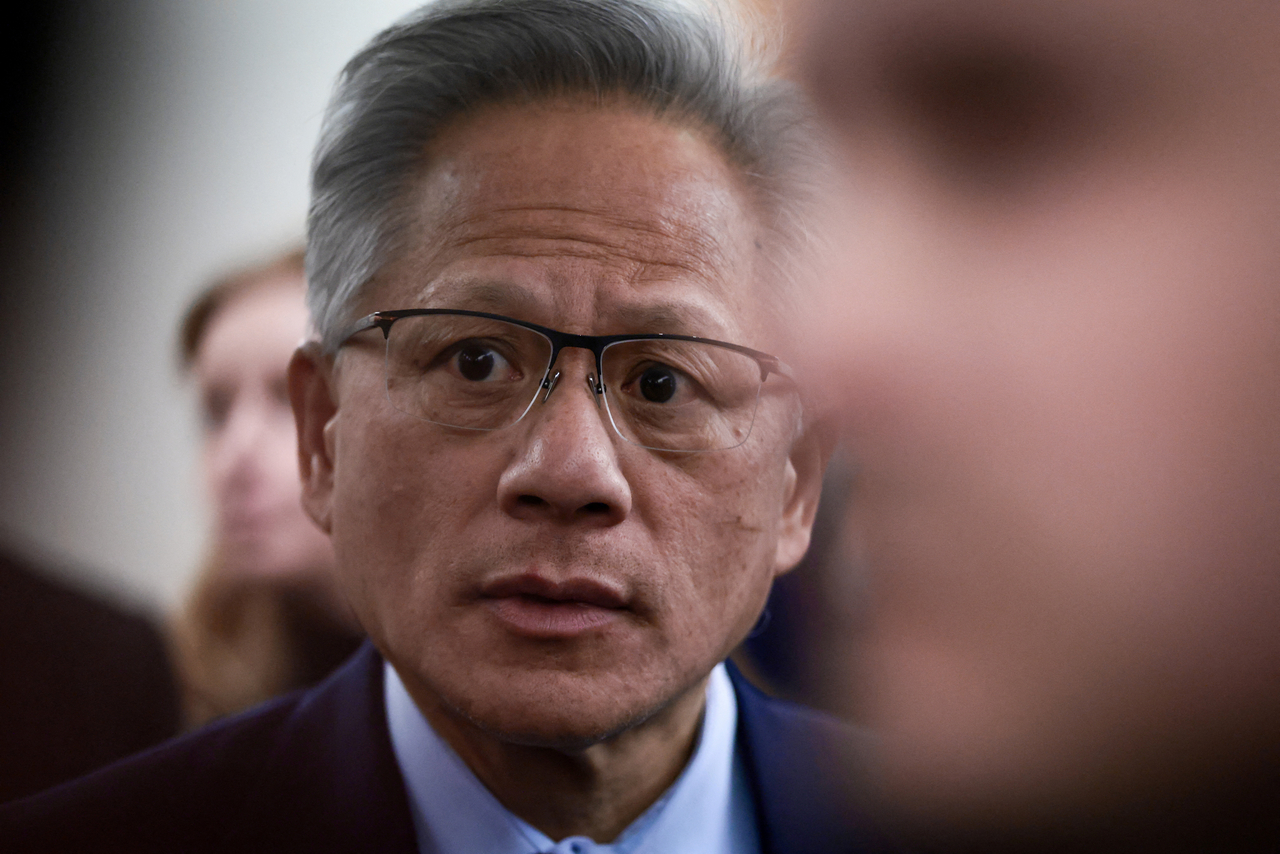
Nvidia's role in the AI industry extends well beyond supplying semiconductors — the company has functioned as a kind of central bank underpinning the sector's growth.
Using the revenue and cash generated from chip sales, Nvidia has invested in and provided financial guarantees to AI developers such as OpenAI and Anthropic, as well as neo-cloud groups including CoreWeave, effectively channeling liquidity throughout the industry.
The arrangement has been mutually reinforcing: the companies receiving that investment have turned around and used the funds to buy more Nvidia chips, making it a profitable cycle for all sides.
Yet concerns have persisted that this circular model, while sustainable during a period of industry growth, could become a detonator capable of dragging the entire sector into crisis if the cycle breaks down anywhere along the chain.
Huang dismissed such concerns, saying Nvidia invests only in companies capable of hitting home runs. Whether a successor — someone without his stature as the industry's defining figure — would be willing to take the same bold approach is far from certain.
If Huang exits in disgrace, analysts expect the board to impose strict financial oversight on new management, likely forcing a significant scaling back or conservative restructuring of Nvidia's circular investment activities.
Should a post-Huang Nvidia pull back from that role, the AI industry — which must sustain astronomical capital expenditure — risks losing the accelerant that has kept the entire sector moving forward.
At the same time, rivals including AMD and Google, which has been pushing its tensor processing units, could emerge as beneficiaries of the turmoil.
Without Huang's ties to Trump, AI regulation and the US-China tech rivalry could intensify
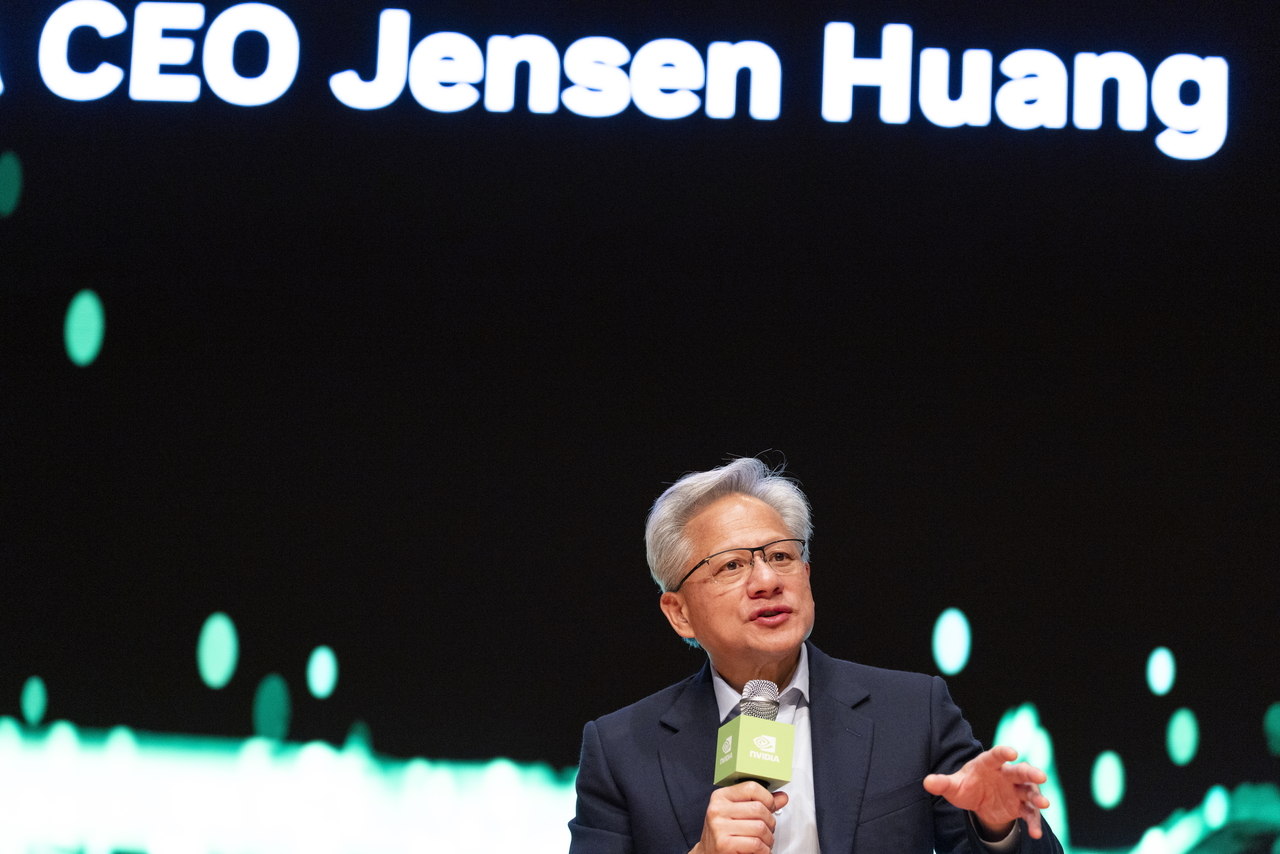
Huang's close relationship with US President Donald Trump has allowed him to shape both AI deregulation policy and the dynamics of the US-China technology rivalry, meaning his departure could carry significant policy consequences as well.
Even as US politicians across party lines have taken a hard line on semiconductor exports to China, Huang argued that selling AI chips to China would create Chinese technological dependence on the United States — and ultimately persuaded Trump to adopt that position.
More recently, when Anthropic and other AI companies signaled support for tighter regulation by calling for a slowdown in development, Huang pushed back and threw his weight behind the Trump administration's deregulatory AI policy.
Trump, in turn, has treated Huang as a key adviser whose arguments provide the intellectual foundation for his AI deregulation agenda.
With Democratic politicians who campaigned on stronger AI regulation having seized control of both Congress and major state governments in the recent midterm elections, Huang's fall from power could leave Silicon Valley's regulatory firewall exposed and at risk of collapse.
Debriefing: The Herald Business international desk cuts through the noise on the hottest global stories. Have a question? Leave a comment.
yckim6452@heraldcorp.com