Shares held directly in his name amount to about 16 trillion won
He forfeited about 140 billion won in stock awards upon leaving the company
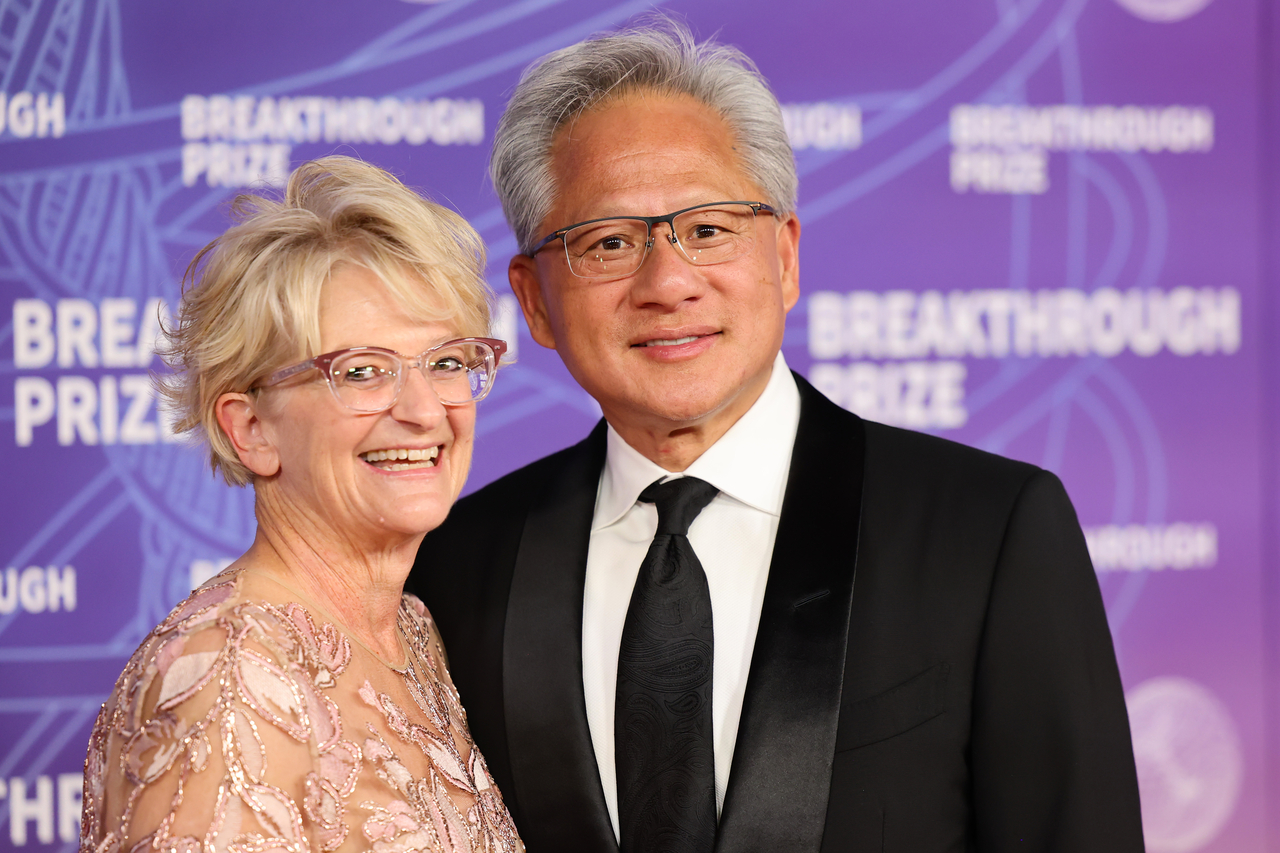
Jensen Huang, the former Nvidia CEO who stepped down amid an extramarital affair scandal, holds a 3.58 percent stake in the chipmaker as its largest individual shareholder — but the bulk of those assets are tied up in trusts jointly managed with his wife, according to regulatory filings.
Nvidia's May and September reports filed with the US Securities and Exchange Commission, disclosed Thursday (local time), show that Huang holds most of his stake through trusts and limited liability companies managed jointly with his wife, Lori Huang.
The couple indirectly owns their assets through the Jensen Huang and Lori Huang Living Trust, established in 1995 when Nvidia was still in its early years, along with two irrevocable trusts and six limited liability companies. The couple serves as co-trustees of those trusts and holds the LLCs through them as well, meaning they share both the shares and the associated voting rights. In addition, the Jensen Huang and Lori Huang Foundation, of which Lori Huang serves as chair, holds 69 million Nvidia shares.
Huang's total stake exceeds 800 million shares, worth about 180 trillion won ($135 billion), but shares held directly in his own name amount to only about 70 million shares, valued at roughly 16 trillion won.
While it is common for technology company founders and executives to hold shares in trust for asset management and tax purposes, analysts say the structure giving Huang and his wife equal ownership and voting rights is highly unusual.
CNBC noted that this layered trust structure could complicate the handling of Huang's assets following his departure from the company.
Changing the trustees or terms of an irrevocable trust requires court approval or the consent of the beneficiaries, making it effectively impossible for either Huang or his wife to unilaterally remove Nvidia shares from the trusts and sell them.
The living trust is likely a revocable arrangement, but even so, companies typically impose trading restrictions to prevent sharp share-price declines and large-scale stock outflows. The probability of these shares flooding the market all at once is therefore considered very low — a dynamic that could serve as a safeguard against a sudden wave of Nvidia selling.
Should the couple enter divorce or asset-division proceedings in the wake of the scandal, however, the calculus could become considerably more complicated.
Leslie Evans, an attorney at wealth management law firm Withers, said trading restrictions would still apply even if the living trust shares were divided, and suggested that Huang could consider retaining the shares while compensating his wife with other assets or cash.
Meanwhile, Bloomberg reported Thursday that Huang forfeited approximately $108 million in stock compensation and performance bonuses upon his resignation from the company.
Because Nvidia's stock awards are contingent on continued employment through a specified vesting period, Huang's rights to those awards lapsed automatically when he left. The forfeited amount, however, is no more than 0.07 percent of his estimated net worth of $142.9 billion, according to Forbes.
yckim6452@heraldcorp.com