Global order backlog equals 44% of current fleet capacity
Capacity to rise 9% next year; Suez Canal normalization adds risk
Container freight rates seen falling on oversupply concerns
HMM's operating profit forecast to drop about 40% next year
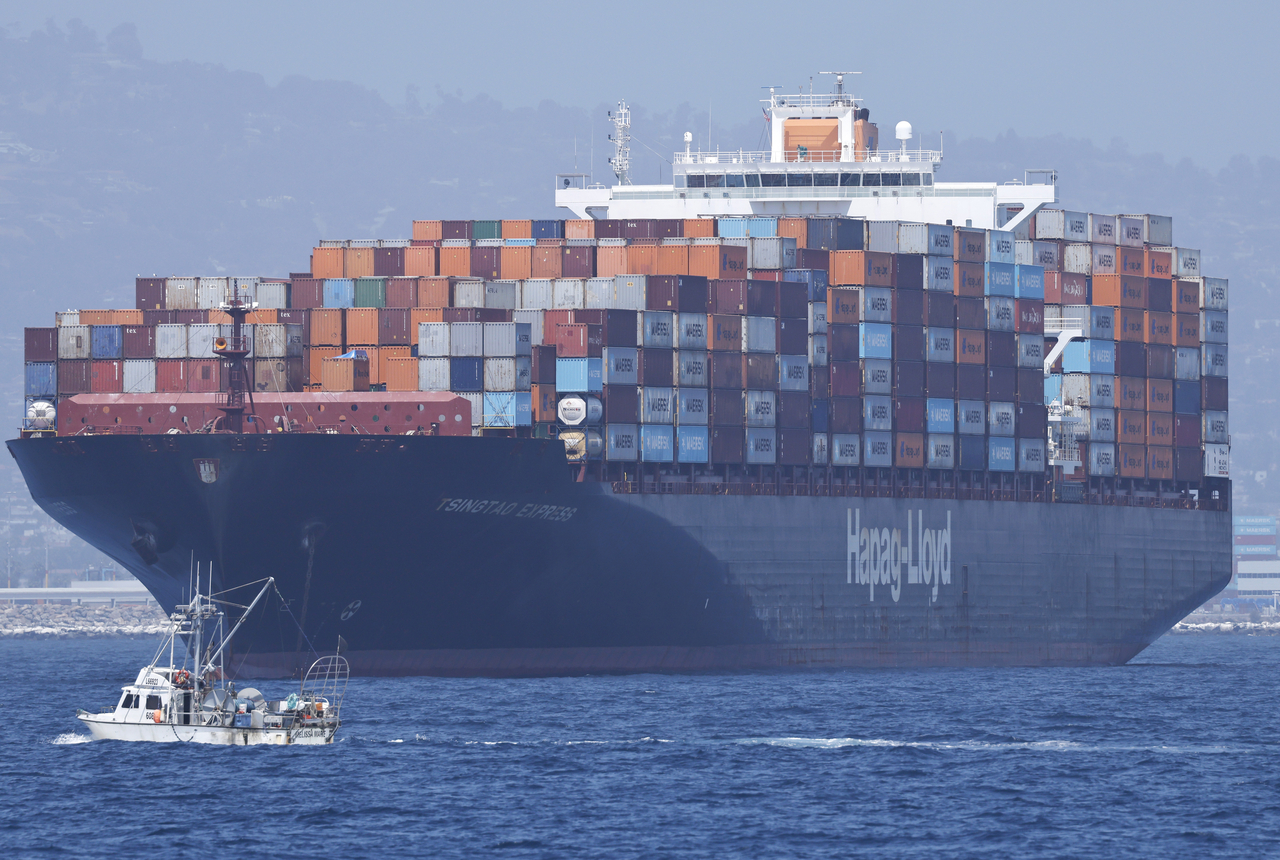
New vessel construction is accelerating far faster than old ships are being retired, stoking growing fears of oversupply in the global container shipping market. With a surge in new vessel deliveries expected next year and the potential normalization of Suez Canal traffic adding further pressure, alarm bells are ringing for the profitability of South Korea's shipping industry.
According to Alphaliner, a global maritime market research firm, 599 container ships with a combined capacity of 4.2 million TEUs — where one TEU equals one 20-foot container — were ordered worldwide in the first 10 months of this year. Over the same period, only 11 vessels totaling 30,000 TEUs were scrapped.
A new order means a shipyard has been commissioned to build a vessel, a process that takes several years before the ship enters service. This year, 162 ships with a combined capacity of 1.16 million TEUs were completed and delivered to their owners — roughly 39 times the scrapped capacity over the same period.
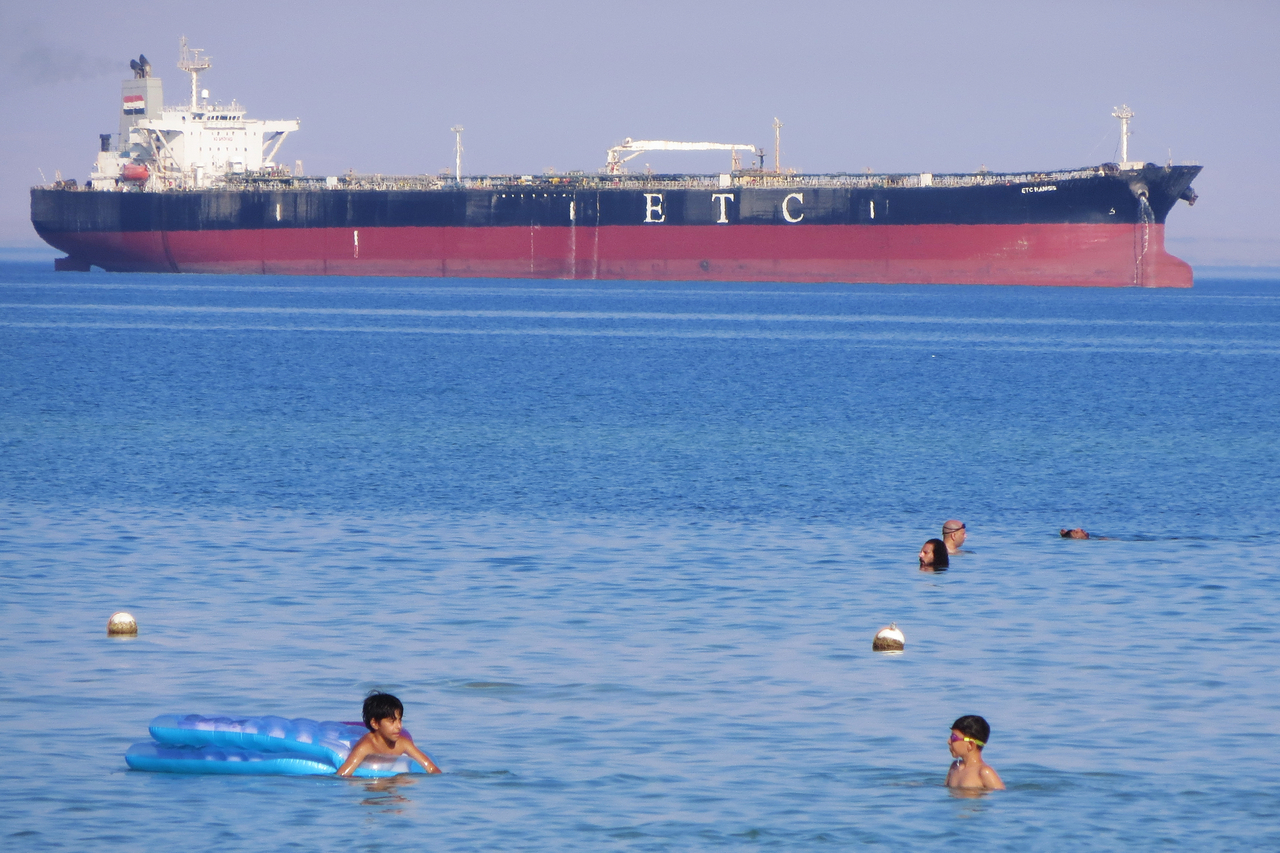
The volume of ships yet to enter the market is also substantial. As of October, the global container ship order backlog stood at 15.12 million TEUs — equivalent to 44 percent of the total current fleet capacity of 34.41 million TEUs.
So far, this capacity expansion has not translated into a sharp drop in freight rates. Geopolitical tensions in the Middle East, congestion at major ports and vessel rerouting have all constrained the effective supply of ships available for cargo transport. The global container ship idle rate — the share of vessels sitting out of service — was just 0.7 percent in October.
The concern is what comes next year. The Baltic and International Maritime Council (BIMCO) forecast that global container ship capacity growth will accelerate from 4.6 percent this year to 9 percent next year. New vessel deliveries are set to increase while cargo volume growth is expected to lag behind, deepening the supply-demand imbalance.
The potential normalization of Suez Canal traffic is another key variable. Security instability in the Red Sea has forced many container ships to reroute around Africa's Cape of Good Hope, lengthening voyage distances and effectively tightening vessel supply. If Suez Canal transit resumes at full capacity, ships will be able to move cargo in less time, increasing the effective supply of tonnage on the market.
BIMCO estimated that a full normalization of Suez Canal operations could reduce effective vessel demand by as much as 10 percent compared with a scenario in which Cape of Good Hope rerouting continues.
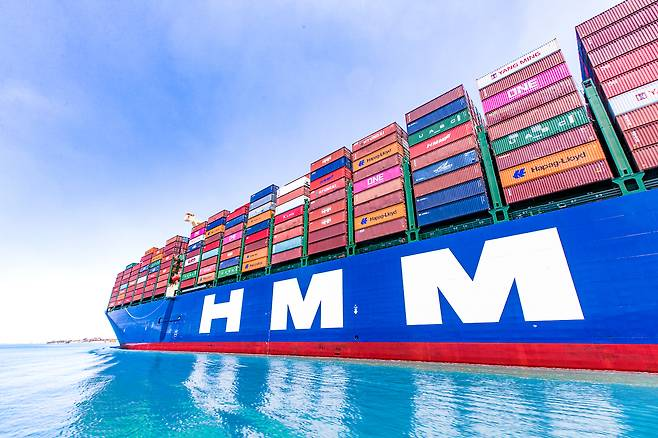
These shifts are expected to weigh on the earnings of HMM, South Korea's largest container shipping line. HMM posted consolidated sales of 4.13 trillion won ($3.09 billion) and operating profit of 1.39 trillion won in the third quarter of this year, up 52 percent and 370 percent, respectively, from a year earlier. Strong freight rates driven by the Middle East war and port congestion, combined with an improvement in the bulk shipping market, helped the company record its highest quarterly operating profit in two years since the third quarter of 2024.
Profitability is expected to slow from next year, however. The consensus operating profit estimate for HMM next year, compiled by FnGuide based on analyst forecasts over the past three months, stands at 1.47 trillion won — roughly 40 percent below this year's full-year projection.
Choi Ji-woon, an analyst at Yuanta Securities Korea, forecast that HMM's container segment operating profit would fall about 49 percent next year from this year.
HMM's strategy is to diversify its business away from its heavy reliance on container shipping to better weather market volatility. The company is expanding into oil tankers, dry bulk carriers and car carriers, while increasing the share of long-term transport contracts to secure more stable revenue streams.
In practice, HMM's bulk segment operating profit reached 378.4 billion won in the first nine months of this year, up 418.5 percent from the same period last year. The bulk business's share of total operating profit rose from 6.4 percent in the same period last year to 18.8 percent this year.
The composition of HMM's fleet is also shifting. As of the end of the third quarter, the company operated four car carriers, up from one a year earlier, and three liquefied petroleum gas (LPG) carriers, up from one over the same period. Its multipurpose vessel count grew from eight to 11. HMM has also begun transporting high-value project cargo such as transformers and energy storage system (ESS) units tied to the expansion of AI data centers and power grids in the United States.
HMM plans to invest a total of 29.1 trillion won by 2030 to build a fleet of 166 container ships and 110 bulk carriers. The company intends to diversify its container network by focusing on short-sea and feeder routes, while raising the proportion of long-term contracts in its bulk business to reduce exposure to market swings.
Lee Ji-ni, an analyst at Daishin Securities, said the volume of vessels scheduled for delivery would grow exponentially from next year. "It will be difficult to avoid oversupply over the medium to long term," Lee said.

kwater@heraldcorp.com