First check falls to proctoring teachers, not specialists
Inspecting glasses during breaks could still draw complaints
Ministry expands liability insurance, says AI glasses are distinguishable
Teacher groups demand clearer criteria and complaint-handling procedures
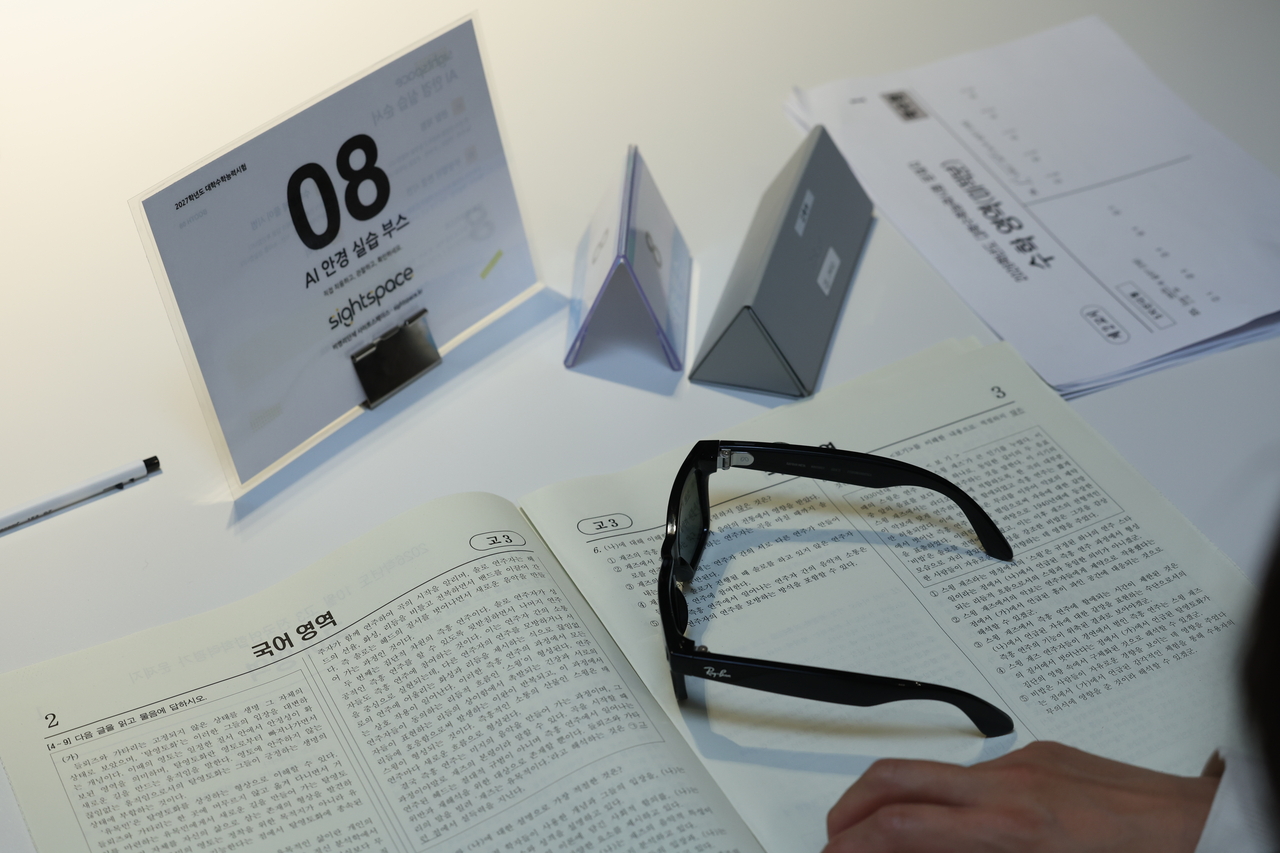
With the College Scholastic Ability Test set for Thursday, teachers assigned to proctor the nationwide exam are voicing anxiety and frustration over one particularly fraught task: deciding how closely to scrutinize a test-taker's thick-framed glasses. Miss an AI-enabled smart pair and cheating goes unchecked; flag an ordinary pair and the student loses precious break time — and the teacher faces a complaint.
The Ministry of Education has promised to station dedicated identification personnel at every test site nationwide, but the first step — spotting a suspicious pair of glasses inside the exam room and calling for a check — still falls to the proctoring teacher. Supervisors worry that even pulling a student aside during a break could trigger a formal complaint for disrupting preparation for the next section, and that such disputes could escalate into damages claims.
Checking glasses on a break — and bracing for a wrongful-inspection complaint
According to education officials, the Ministry of Education will deploy dedicated AI glasses identification personnel across all 1,312 test sites where this year's CSAT will be held.
The catch is that those specialists will not be stationed inside every individual exam room. Proctors are also not permitted to ask a student to remove glasses on the spot if they look suspicious; the procedure requires waiting until the end of that section, collecting all question sheets and answer sheets, and only then conducting an inspection.
Teachers with CSAT proctoring experience say the pressure is immense. A high school teacher in Seoul who has supervised the exam before said pulling aside a student during a break is a heavy burden. "If the glasses turn out to be ordinary ones, you'll get an earful about why you singled that student out and took away their break time," the teacher said.
Another high school teacher said CSAT proctoring duty was already one of the most dreaded assignments in the profession, and this year's AI glasses issue has made it worse. "People are joking that they wish their middle-school daughter were sitting the CSAT this year," the teacher said — a reference to the standard exemption that removes a teacher from proctoring duty when their own child is taking the exam.
The Seoul Metropolitan Office of Education held a training session Wednesday at its office in Yongsan-gu, Seoul, for 239 designated identification personnel. Trainees put on black thick-framed smart glasses themselves, looked over exam papers, and observed how the devices operate. They also ran through response procedures for scenarios in which a suspicious pair of glasses is flagged inside an exam room.
A teacher who tried on the AI glasses during the session said they were thick enough to be spotted in an exam setting. "You also have to use hand gestures or speak to activate them," the teacher said, "so they can be distinguished."
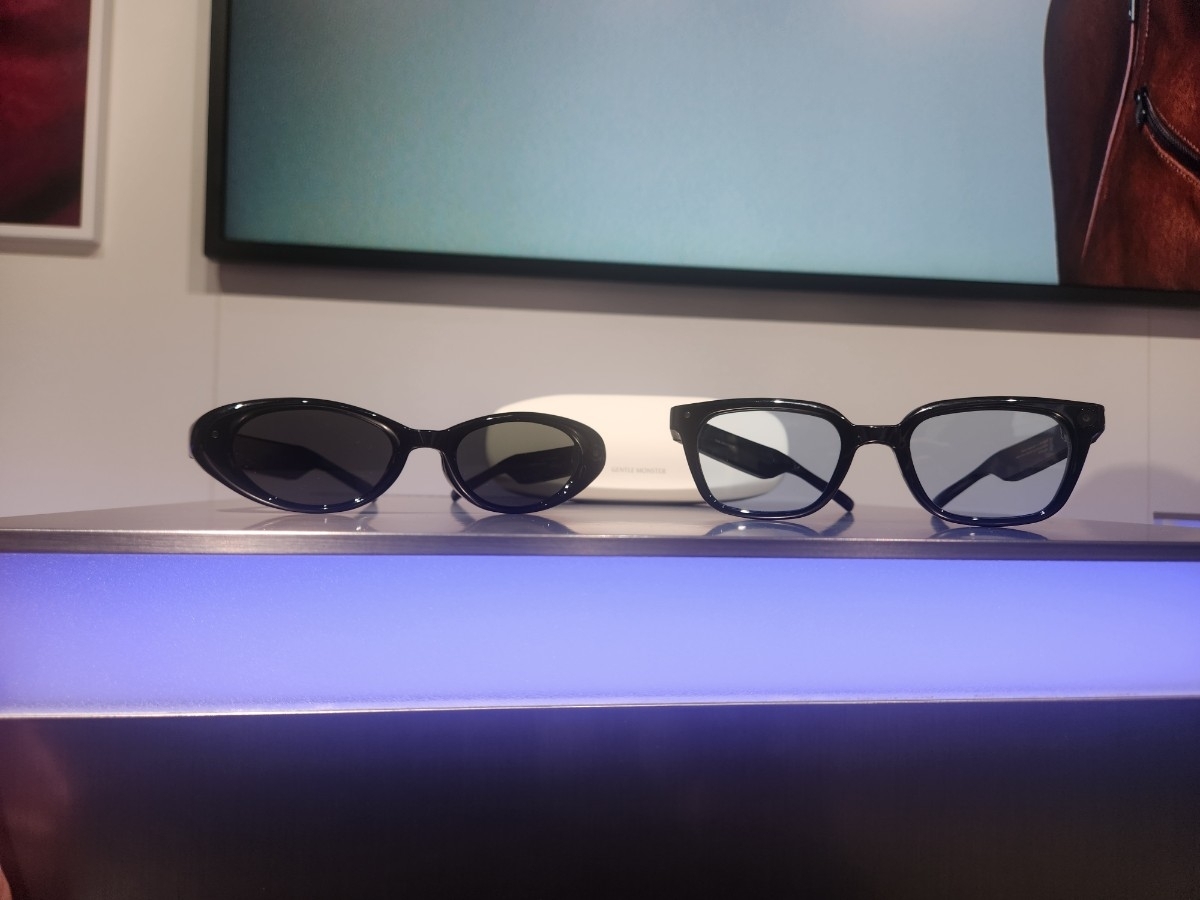
Ministry touts training and expanded insurance; teacher groups say the first call still rests with the proctor
The Ministry of Education says it has put adequate measures in place to handle both smart glasses identification and cheating, and that proctoring teachers will not be left to make those calls alone. Whether conduct constitutes cheating is determined in consultation with the test-site supervisor. Ministry spokesperson Jeong Byeong-ik said Monday that AI glasses currently on the market "can be identified reliably through training."
The ministry is also strengthening insurance coverage in case disputes arise during proctoring. It will expand both the coverage scope and the claims period of the liability insurance it takes out for all CSAT supervisors this year, covering legally mandated damages, attorney fees, and litigation and mediation costs arising from incidents during proctoring duties.
Teacher organizations, however, say dedicated personnel and insurance alone are not enough to ease the burden teachers feel inside the exam room. The specialists step in only after a teacher has already flagged a specific student's glasses and requested a check; the insurance only covers costs if that judgment leads to a dispute. What supervisors actually need, the groups argue, are clear criteria for when suspicion is sufficient to warrant a check, and defined procedures specifying who explains the situation and handles complaints when a student wearing ordinary glasses objects.
A survey by the Korean Teachers and Education Workers Union of 2,716 middle and high school teachers found that 82.3 percent said they would find it difficult to identify smart glasses using the ministry's guidelines alone. Some 64.4 percent said they were worried about misidentifying ordinary glasses and facing a complaint or dispute as a result.
An official at the Korean Federation of Teachers' Associations said leaving judgments about high-tech cheating devices entirely to individual proctors has its limits. "The education authorities must establish clear identification criteria and response procedures, and also put in place protections for supervisors against complaints that may arise during the inspection process," the official said.
Meanwhile, all electronic devices — including mobile phones, smart glasses and smartwatches — are banned from CSAT test sites. Wearing smart glasses during the exam, even without activating them, is treated as cheating: this year's results are voided and the student loses eligibility to sit next year's CSAT. The Ministry of Education is also pursuing legal action, including criminal referrals and requests for investigation, to ensure that cheating involving smart glasses or similar devices can result in criminal prosecution.
brunch@heraldcorp.com