High-sugar processed foods twice a week or more linked to higher breast cancer risk
World Cancer Research Fund urges caution on alcohol, sugary drinks
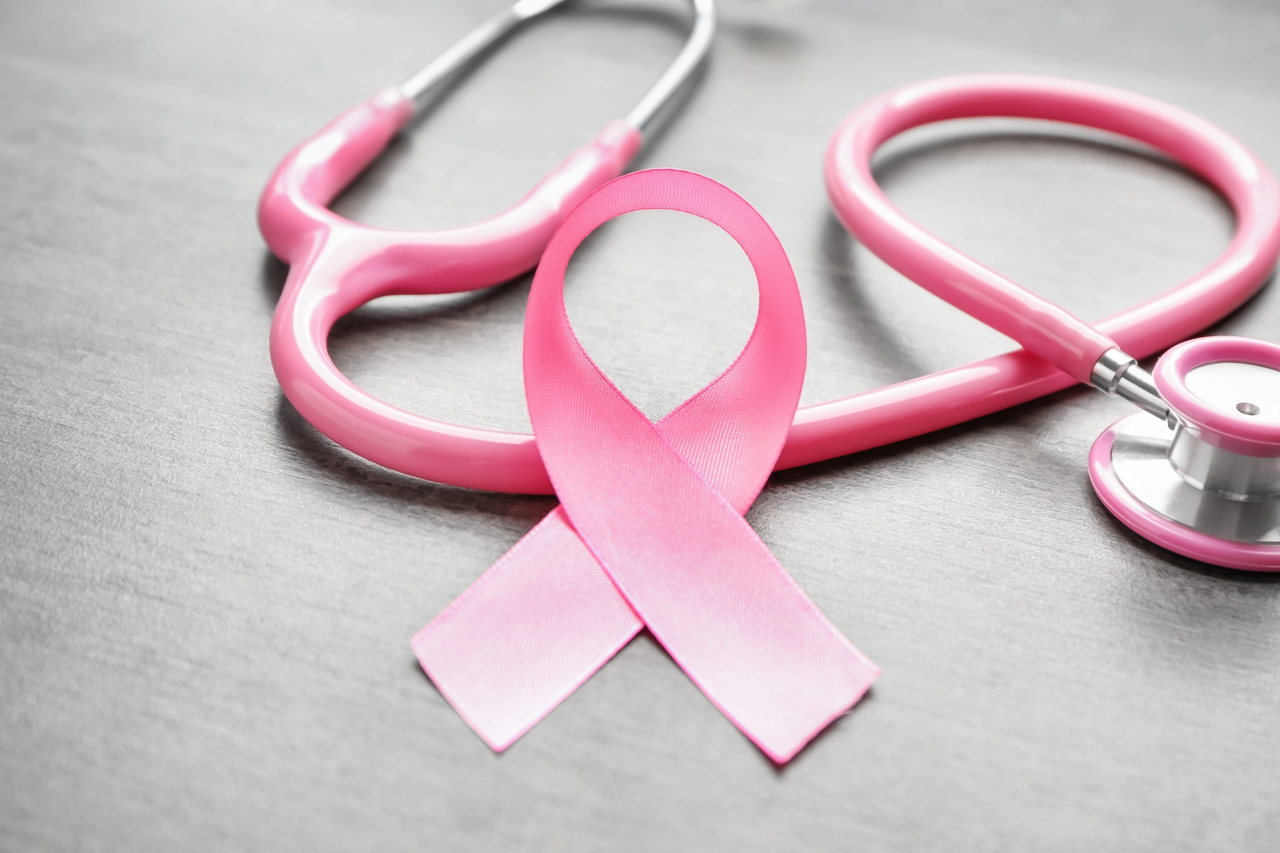
Amid growing concern over the health risks of high-sugar foods, a South Korean study has found a link between frequent consumption of sugar-laden processed foods and an elevated risk of breast cancer in women.
Researchers from Seoul National University College of Medicine and other domestic institutions published the findings in the European Journal of Nutrition on Oct. 31.
The team tracked 71,264 women aged 40 to 69 for an average of 9.2 years using health screening data collected between 2004 and 2013. Along with dietary habits, the researchers accounted for factors including body mass index, alcohol consumption, smoking, physical activity, childbirth history and family history of breast cancer. Dietary habits were assessed through a survey on the frequency of sugar-containing food intake.
The analysis found that women who consumed high-sugar processed foods more than twice a week had a 28 percent higher risk of developing breast cancer than those who ate such foods less than once a month. Looking at individual foods, women who ate ice cream at least once a week had a 26 percent higher risk compared with those who did not eat it at all.
A notable finding was that the association with breast cancer risk varied not by total sugar intake but by the type of food supplying the sugar. Fruit — a major natural source of sugar — showed no link to breast cancer risk. However, the researchers noted a distinction between whole fruit and fruit juice: fruit juice raises blood sugar more rapidly than eating whole fruit.
"It is necessary to evaluate not only the amount of sugar consumed but also the type of food through which it is consumed," the researchers wrote, adding that reducing intake of high-sugar processed foods "may help prevent breast cancer."
Similar findings have emerged from other studies, particularly research raising concerns about sugar-containing beverages.
A 2019 study published in the BMJ by researchers from Sorbonne Paris Nord University and France's National Institute of Health and Medical Research (INSERM), among others, tracked 101,257 French women over 5.1 years and found that higher daily consumption of sugar-containing beverages was associated with greater breast cancer risk. The category of sugar-containing beverages included 100 percent fruit juice and freshly squeezed juice.
Alcohol remains the most firmly established dietary risk factor for breast cancer to date. A 2024 paper published in the journal Alcohol: Clinical and Experimental Research by a joint Canadian-American research team found that women who consumed an average of 10 grams of alcohol per day — roughly equivalent to 250 milliliters of beer at 5 percent alcohol by volume — had about a 10 percent higher breast cancer risk than non-drinkers.
Experts say a broader review of dietary habits is warranted for breast cancer prevention, including avoiding alcohol and cutting back on high-sugar processed foods. In its 2025 report, the World Cancer Research Fund listed abstaining from alcohol, maintaining a healthy weight, staying physically active and eating plenty of fruits, vegetables and fiber-rich foods as lifestyle measures to reduce breast cancer risk. It flagged processed meat, red meat and sugary drinks as foods to consume with caution.

gorgeous@heraldcorp.com