Brand platform strategy, direct offline retail and M&A synergies underpin the cosmetics firm's IPO ambitions
Goodai Global, the K-beauty powerhouse now moving in earnest toward a Kospi listing, has drawn intense scrutiny from capital markets. Even as debate swirls over whether a 10 trillion won ($7.51 billion) valuation is justified, investment banking sources say the company's diversified brand portfolio and commanding grip on global offline retail set it apart from any comparable peer.
According to investment banking sources, Goodai Global plans to file a preliminary listing application with Korea Exchange for the Kospi market around the middle of this month.
The central question is whether the 10 trillion won price tag can hold up. A recent strengthening of the won and a pullback in shares of comparable cosmetics companies — including APR — have fueled concerns in some corners of the market that the valuation is overheated. Investment banking sources, however, argue that Goodai Global's structural differentiation beyond a single-brand cosmetics model more than justifies the figure.
Beyond the single-brand ceiling: building a K-beauty coalition
The most compelling argument behind the 10 trillion won valuation is that Goodai Global has built a fully realized multi-brand beauty platform.
Cosmetics companies that rely on a single brand are perpetually exposed to the industry's characteristically short product life cycles and rapid shifts in consumer trends. Even a blockbuster product or flagship brand can see its recognition and earnings erode within a year or two once tastes change or rivals flood the market with similar offerings. That dynamic is precisely why individual indie brands that generate excitement before listing often face share price corrections afterward on fears that their earnings have already peaked.
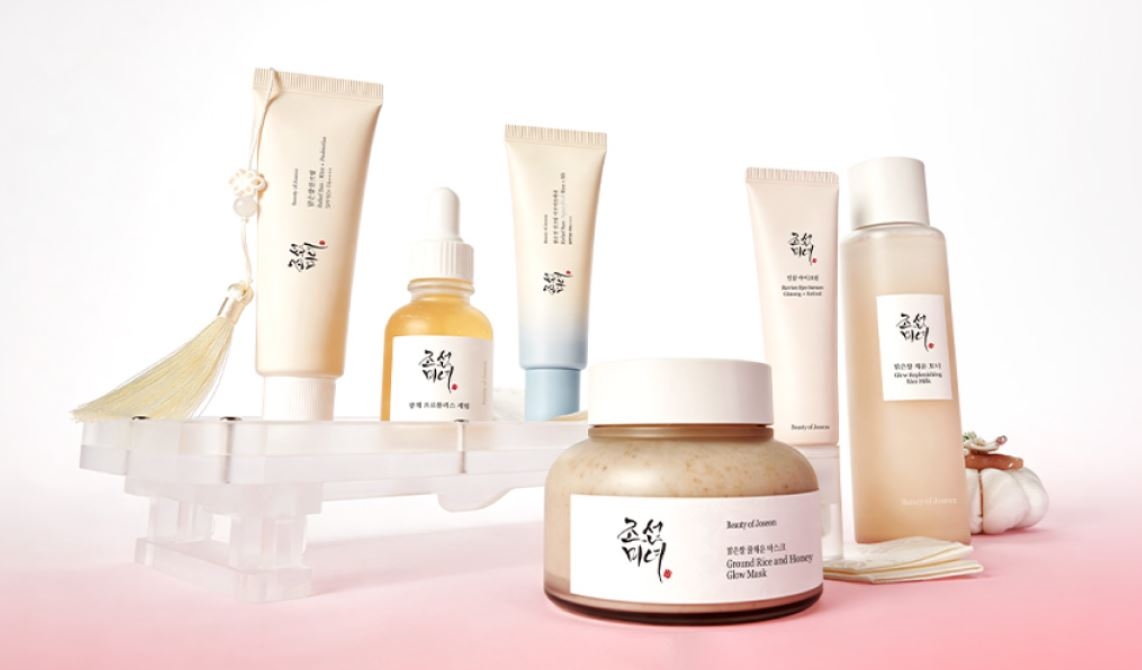
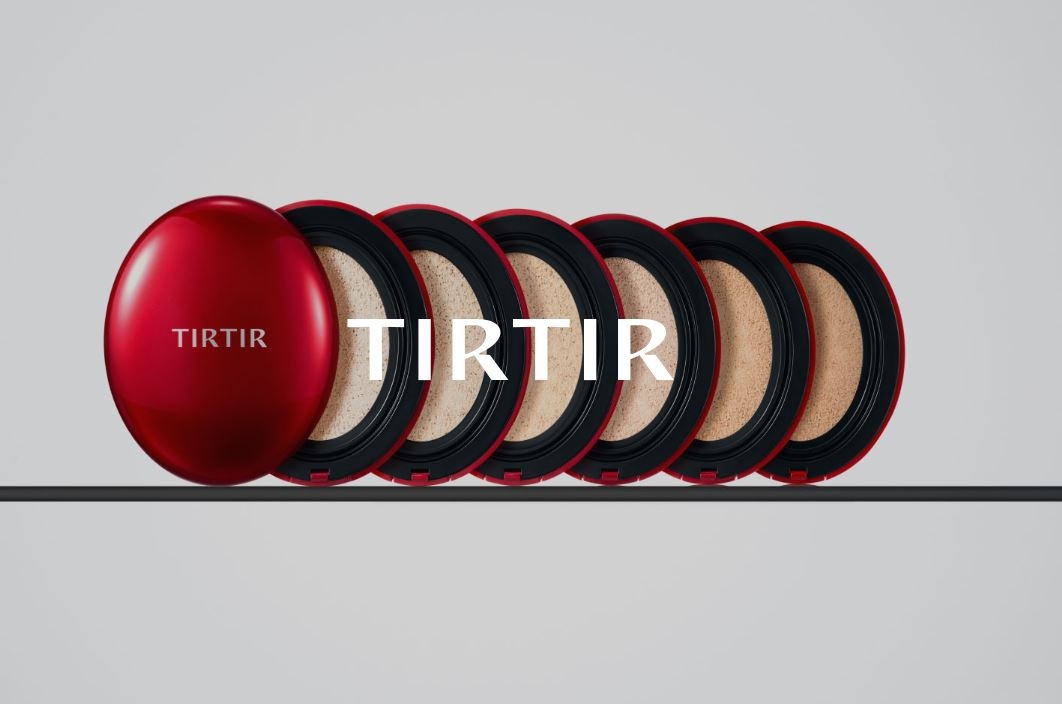
Goodai Global has taken a different path. Starting with Joseon Beauty in 2019, it brought Craver Corporation (Skin1004), Seorin Company (Round Lab), Skinfood and Tirtir under its roof in succession, and most recently added a stake in Torriden — assembling a collection of promising indie brands, each with distinct strengths.
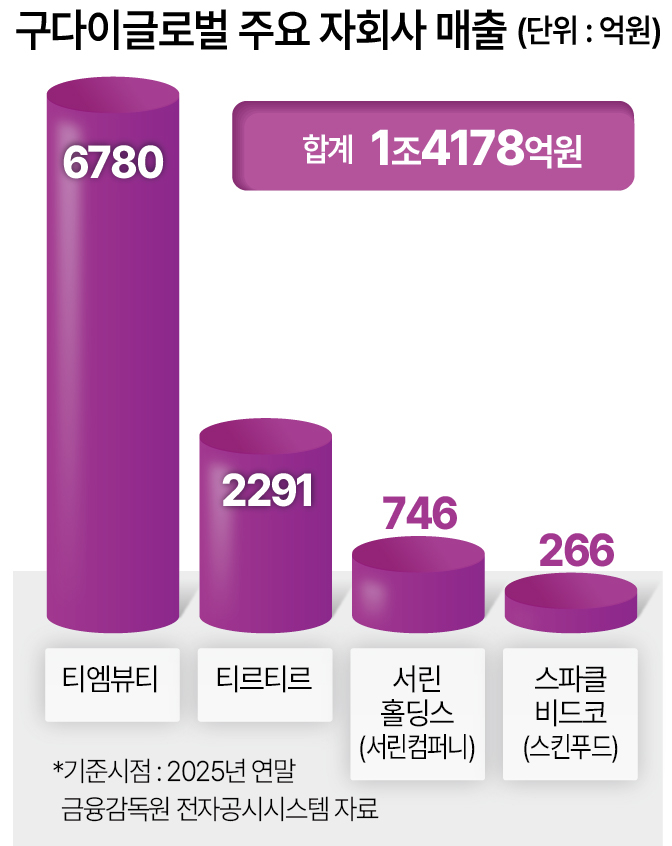
That portfolio diversification acts as a platform-level buffer against the earnings volatility any single brand might face. While Joseon Beauty leads in the United States and Western markets, Skin1004 covers Southeast Asia, and Round Lab and Skinfood anchor a solid domestic base. Even if one brand enters a growth plateau, others already in orbit can pick up the momentum, keeping the company's overall sales and profit on an upward trajectory.
"Goodai Global has proven its sustainability as a business by transcending the limitations of a single brand," one investment banking source said. "Just as L'Oréal vaulted to become a global beauty platform through indie brand acquisitions, Goodai Global is positioning itself as the frontrunner of a K-beauty coalition."
Global offline dominance and the lock-in effect

Unlike most K-beauty brands that leaned heavily on online marketing, Goodai Global has built direct relationships with major offline retail channels worldwide — another pillar supporting its valuation.
Most brands that ventured overseas relied on Amazon or local distribution agents for a brief burst of popularity. That approach left them vulnerable to trend shifts and forced them to share margins with intermediaries. Breaking into offline retail networks that reach all age groups and smaller regional cities is essential for any brand aiming to become a lasting staple in global markets.
Leveraging its own distribution expertise and network, Goodai Global bypassed local agents and secured shelf space for its key brands directly at major offline retailers including Sephora, Ulta Beauty and Target.
The result is not a trend-driven product that flares up online and disappears, but a powerful lock-in effect in which local consumers visit stores, test products and return to buy again — creating a stable, recurring sales structure. The prevailing view in capital markets is that this firm grip on global offline distribution is precisely what makes a 10 trillion won growth story achievable.
A proven post-merger integration playbook — and the numbers to show for it

Some analysts say another of Goodai Global's strengths is its ability to detect shifts in global consumer demand and translate them swiftly into product development. The company has built a post-merger integration formula that preserves each acquired brand's identity while transplanting the parent company's distribution and marketing infrastructure. Rather than simply buying brands, it has consistently delivered successful global localization and category expansion for each acquisition — backing its claims with hard data.
The M&A synergies are showing up in the numbers. Goodai Global's consolidated sales last year reached 1.47 trillion won, roughly four times the 373.1 billion won recorded the year before. Compared with 2023's 139.4 billion won, the company's top line has grown more than tenfold in just two years.
Profitability has climbed just as steeply. Operating profit last year rose 98.5 percent to 273.4 billion won from 137.8 billion won, while net profit for the period jumped 88.1 percent to 233.7 billion won from 124.3 billion won. The simultaneous demonstration of top-line growth and high profitability shows the company is generating real earnings, not merely inflating its size.
"The fact that Goodai Global has a proven post-merger integration formula means it has the scalability to keep growing its enterprise value through additional acquisitions even after listing — and that is the core argument underpinning the 10 trillion won valuation," a capital markets official said.
an@heraldcorp.com