IITP holds industry-academia-research technology forum, building cooperation network of over 400 companies and institutions
South Korean companies, universities and research institutions have joined forces to develop physical AI — technology that enables AI to move and make decisions in the real world, not just in virtual environments.
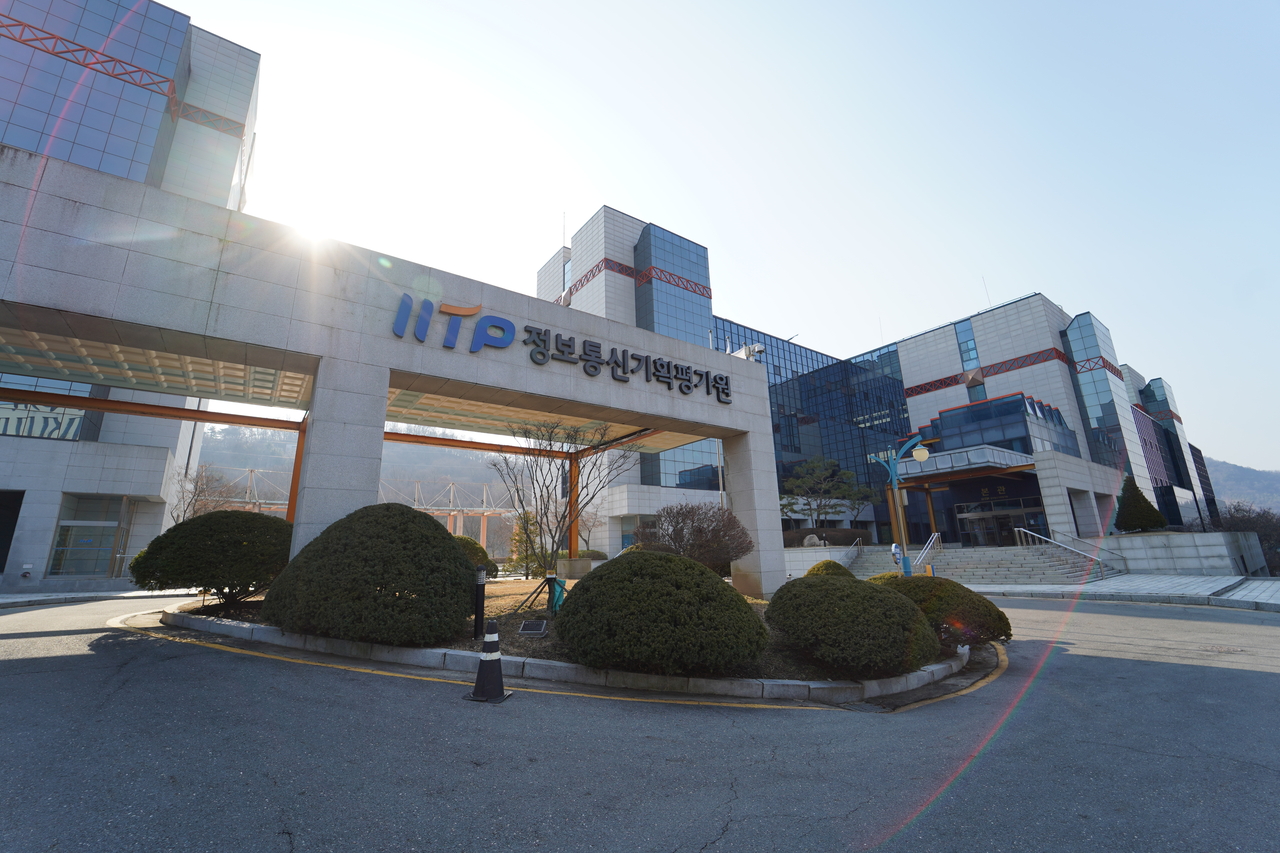
The Institute for Information and Communications Technology Planning and Evaluation (IITP) said Friday it held the "Physical AI Alliance Full-Stack Working Group Technology Forum" at the Korea Chamber of Commerce and Industry in Seoul.
Held in conjunction with the "2027 AI·ICT Technology Outlook Conference," the event drew about 40 representatives from companies, universities and research institutions affiliated with the Physical AI Alliance.
IITP introduced the key details of new research and development tasks under the 2027 Physical AI Core Technology Development Project. Participants then discussed cooperation plans across technology fields including AI models, data, AI semiconductors and robots.
Physical AI refers to technology that combines AI with physical systems such as robots, enabling them to perceive, reason and act in real-world environments. It is drawing attention as a next-generation AI technology set to drive automation and intelligent operations across industries including manufacturing, logistics and healthcare.
The Physical AI Alliance is a public-private consultative body co-chaired by the Ministry of Science and ICT and the Korea AI and Software Industry Association (KOSA). More than 400 companies and institutions currently participate.
The alliance operates three working groups: K-Physical AI Full-Stack, Vertical Industry Bridge and Foundation Governance.
Among these, the Full-Stack working group has action groups covering six core technology areas — AI models, world models, data, computing platforms, communications networks and robots.
Each action group pools the technological capabilities of participating companies and research institutions to identify joint R&D tasks and develop concrete cooperation plans.
Implementing physical AI requires not only AI models but also the organic integration of world models that learn physical environments, large-scale data, high-performance computing and robot control technology. That is why collaboration between industry and the research community matters beyond individual technology development.
IITP said it plans to continue identifying cooperation needs across technology fields and expand opportunities for collaboration among participating companies and institutions through exhibitions and technology forums.
nbgkoo@heraldcorp.com