AI chip demand, next-gen supply schedule and investment strategy are the three variables Wall Street is watching
Data center growth and Rubin launch timeline under scrutiny
First earnings call since Huang's exit puts AI empire's growth formula to the test
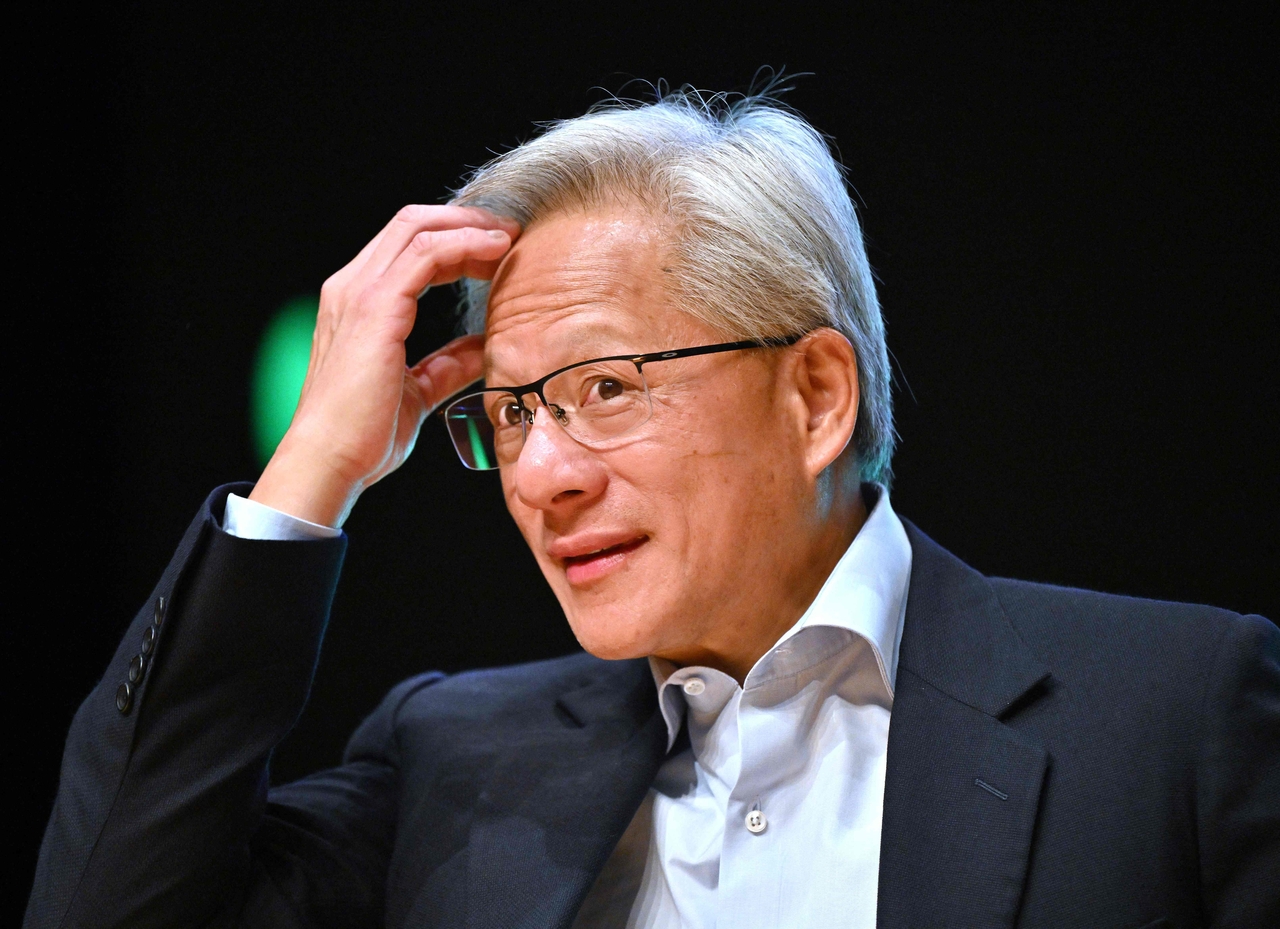
Nvidia, upended by the sudden exit of founder Jensen Huang, faces its first major test Tuesday (local time) when it reports quarterly earnings. Wall Street's attention goes well beyond headline sales and net profit figures, focusing instead on three critical variables: whether demand for AI semiconductors is still growing at an explosive pace, whether the rollout of next-generation AI chips is on track, and whether the aggressive AI investment strategy Huang built will survive his departure. Those three questions are seen as the key factors that will determine Nvidia's growth trajectory and share price going forward.
Nvidia will release its fiscal third-quarter 2027 results Tuesday — the first time it will lay out its business outlook for investors since Huang's resignation. The earnings call is expected to serve as a gauge of whether Nvidia can maintain its existing growth strategy now that it has moved beyond the founder-led management model.
The first variable to watch is the staying power of AI semiconductor demand. The engine behind Nvidia's rapid growth has been surging data center investment by the world's largest technology companies. As Microsoft, Amazon, Google and other major tech firms poured enormous sums into building AI infrastructure, demand for Nvidia's high-performance chips jumped in tandem.
Recently, however, concerns have emerged that AI investment is expanding too rapidly. Growing doubts about whether the enormous cost of building out data centers will ultimately translate into real profits have contributed to wider swings in the share prices of AI-related companies.
Against that backdrop, data center revenue growth and the forward sales outlook will be the key metrics in this earnings report. Even if Nvidia beats market expectations, any signal that demand growth could slow in coming quarters may do little to ease investor anxiety. Conversely, confirmation that large customers are continuing to expand their AI spending could help restore market confidence shaken by Huang's departure.
The second variable is the supply schedule for next-generation AI chips. Nvidia is positioning its upcoming Vera Rubin platform as the next growth driver after the Blackwell product line. Whether the development, mass production and customer delivery of that next-generation product proceed on the original timeline is a major factor that will shape future earnings.
Competition in the AI chip market is also intensifying, with AMD and other rivals closing the gap. Google and other major technology companies are stepping up development of their own in-house AI chips in a bid to reduce their dependence on Nvidia.
In that environment, any delay in delivering next-generation products or any setback in securing customers would hand competitors an opening to expand their market share. On the other hand, if Nvidia delivers new products on schedule and demonstrates its continued technological edge, it could signal that the company's competitive position has held firm despite the leadership change.
The third variable is whether the aggressive AI investment strategy Huang championed will continue. Nvidia has expanded well beyond its role as a chip supplier, channeling funds across the broader AI industry ecosystem — investing in AI startups and cloud infrastructure companies to widen the base of demand for its semiconductors.
That approach has drawn criticism, however, for creating a circular flow of capital within the AI industry. The concern is that companies Nvidia has invested in turn around and buy Nvidia chips, potentially overheating the market beyond what underlying end demand would justify.
Since Huang's departure, a key question is whether the new management will maintain his aggressive investment posture or shift toward a strategy centered on profitability and financial discipline. A slowdown in investment could ripple beyond Nvidia's own growth outlook, affecting the broader AI data center and cloud industries as well.
Ultimately, what investors will be listening for at this earnings call are management's answers to those three questions. If AI chip demand holds up, next-generation product deliveries stay on schedule and continuity in the existing investment strategy is confirmed, Nvidia may be able to dispel some of the uncertainty that has hung over the company since its founder's exit.
If any one of the three variables falls short of market expectations, however, a reassessment of Nvidia's growth outlook could be unavoidable. With the management uncertainty triggered by Huang's departure carrying the potential to spread to broader AI industry sentiment, Wall Street's eyes are fixed on Tuesday's earnings release.
sjy@heraldcorp.com