Ratings fell for three consecutive showings after episode 6 peak
May 18 references, medical community backlash fueled viewer fatigue
Drama shifted from sharp-tongued heroine to ensemble human drama
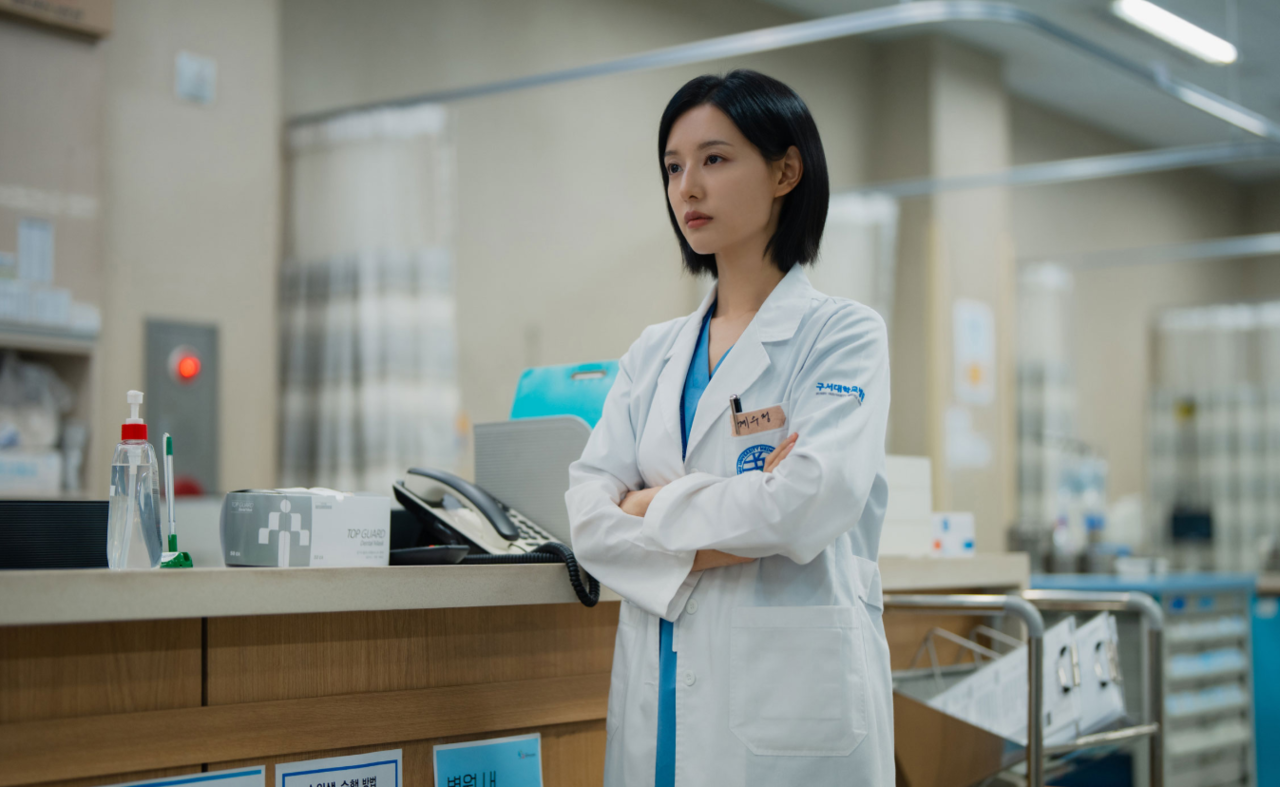
The ratings surge that once made "Doctor X: Mafia in White" look unstoppable ultimately fell short of the finish line. The SBS drama series opened at 11.4 percent in its first episode and rocketed to 19.5 percent by episode 6, coming within half a percentage point of the coveted 20 percent mark — but the show never got there, oscillating between gains and losses before closing out its run.
According to Nielsen Korea, the finale of the SBS Friday-Saturday drama series "Doctor X: Mafia in White" — which aired Saturday — drew a 15.2 percent nationwide household rating. That was up 0.7 percentage points from the previous episode's 14.5 percent, but still 4.3 percentage points below the series high of 19.5 percent set in episode 6. SBS said the show ranked No. 1 among all miniseries across all channels for every episode from its premiere to its finale.
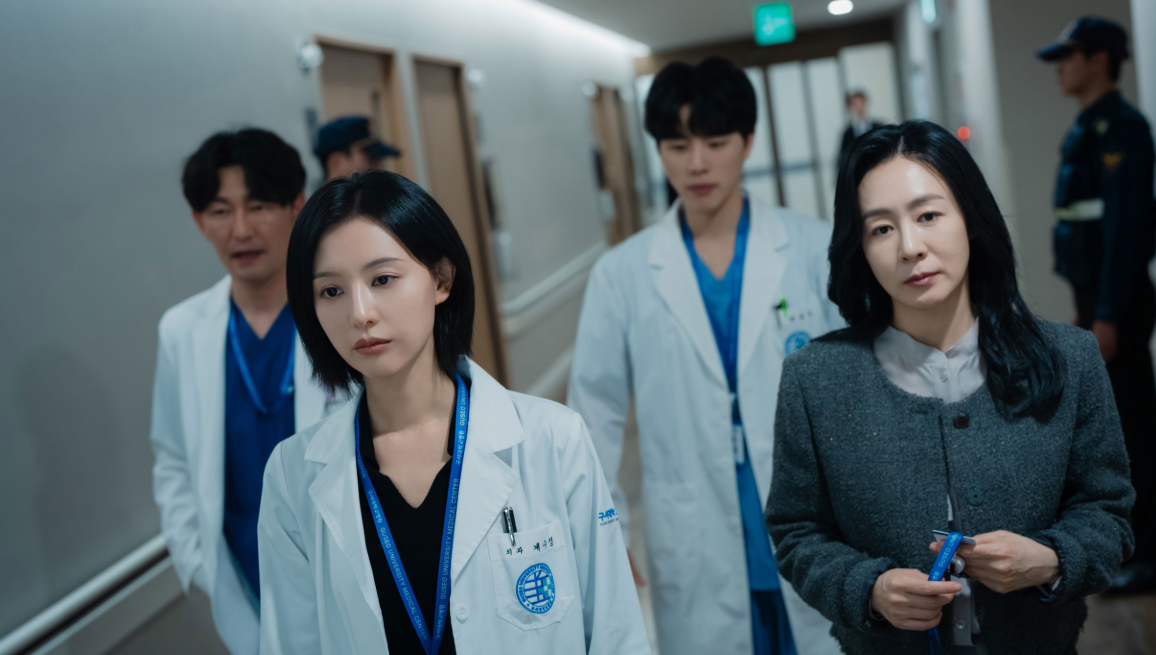
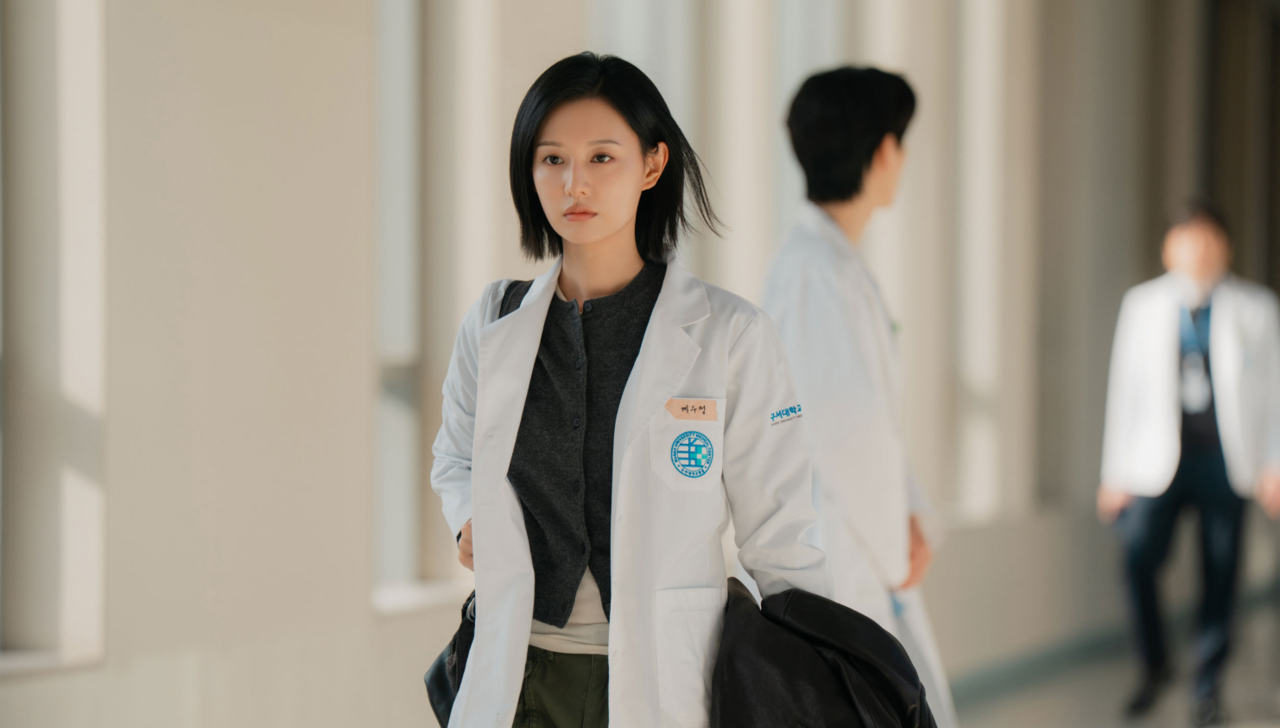
Based on the TV Asahi series "Doctor-X: Surgeon Michiko Daimon" (2012–2021), "Doctor X: Mafia in White" is a medical noir following Gye Su-jeong, a brilliant freelance surgeon dispatched to Guseo University Hospital, who uses her scalpel to cut through the institution's corruption and abuse of power. Played by Kim Ji-won — returning to the small screen for the first time in two years since "Queen of Tears," which peaked at 24.9 percent — the character earned the nickname "the mad genius of the operating room" through cold, measured eyes above a surgical mask and a minimalist delivery.
A curve that broke at its peak — the toll of controversy
The show's early trajectory was steep. Its 11.4 percent premiere rating was the highest first-episode figure of any miniseries to air this year, and the numbers kept climbing — 14.9 percent in episode 2, 15.1 percent in episode 3, 18.5 percent in episode 4 — with each installment setting a new series record.
On Netflix, the show reached No. 1 on the global non-English TV chart within three days of its release, drawing 4.6 million views, and held the top spot for two consecutive weeks. A Gallup Korea survey of favorite broadcast programs in October also placed it first with 9.8 percent. The episode 6 peak of 19.5 percent tied with "Penthouse 3" for fifth place among all SBS Friday-Saturday dramas in history, and speculation emerged around that time that the show could challenge this year's top SBS performer, "Director Kim," which peaked at 23.1 percent.
Behind the strong numbers, controversy had been brewing from the start. Shortly after the first week's broadcast, a user who identified as an orthopedic surgeon filed a review request with the Korea Communications Standards Commission, citing distorted portrayals of medical realities and healthcare workers. Criticism over factual errors in medical depictions also mounted. Nam Goong-in, an emergency medicine specialist serving as the show's medical consultant, responded on social media that when discrepancies arose, it meant the consultant and the production team had disagreed — and the consultant had lost.
The controversy reached its own peak in the same episode that set the ratings record. On the day episode 6 aired — featuring the story of Oh Sang-beom, a patient who had lived for 46 years with a bullet from the martial law forces of the May 18, 1980 pro-democracy uprising lodged in his head — a petition demanding the show be pulled from air appeared on the National Assembly's public consent petition board. The complaint argued that historical subject matter absent from the Japanese original had been inserted into a medical drama.
A scene in which bus No. 518 stops at a temporary filming stop in front of the main gate of the National May 18 Democratic Cemetery drew a public complaint over whether proper road-use permits had been obtained, and boycott comments appeared on lead actor Kim Ji-won's social media. A storyline introduced in episode 8 depicting a medical resident strike against expanded medical school enrollment drew uneasy reactions from parts of the medical community, who said it evoked the 2024 standoff between the government and doctors. Then, on Nov. 8, former Daegu Mayor Hong Joon-pyo joined the criticism on social media, writing that the show made doctors look like "incompetent fools" and that the May 18 uprising had "suddenly appeared in a medical drama."
As the disputes piled up episode after episode, the ratings slid — 16.5 percent in episode 7, 15.6 percent in episode 8, 15.3 percent in episode 9, three consecutive declines. With debate consuming more attention than the story itself, viewer fatigue set in and began eating away at interest in the drama.
A shift toward human drama — but the provocations kept coming
As the ratings fluctuated, the nature of the show's appeal also changed. What had driven "Doctor X: Mafia in White" in its early episodes was the satisfaction of watching Gye Su-jeong cut down authority-wielding professors who ignored their patients and dispatch surgeries no one else dared attempt.
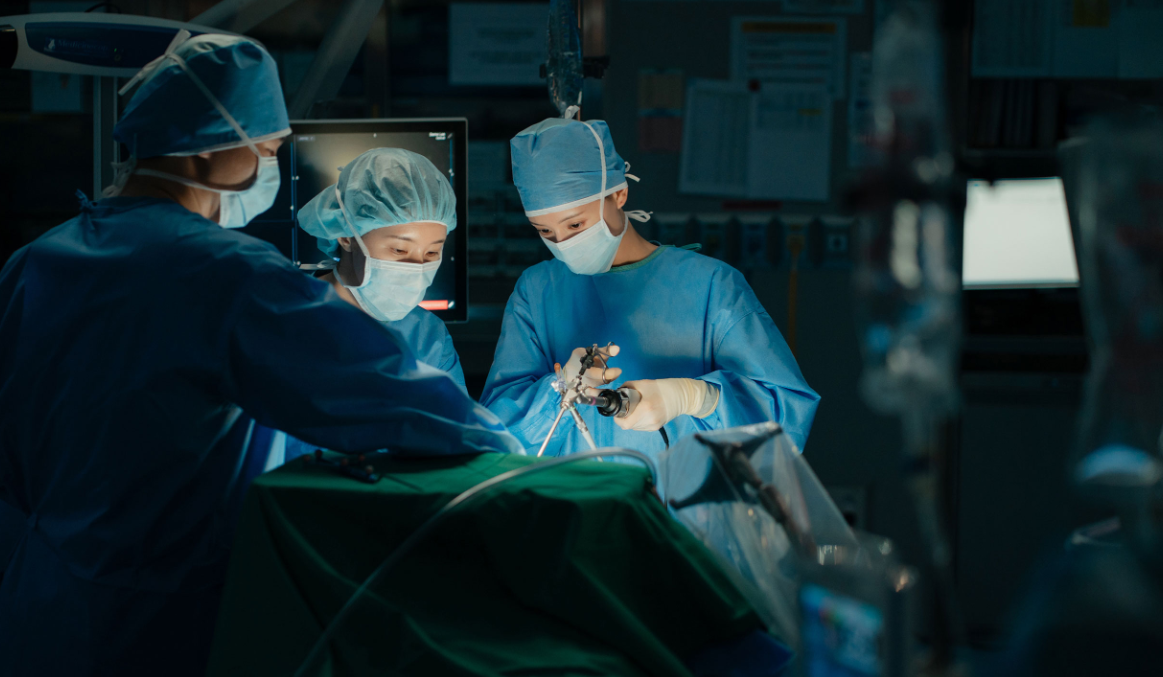
The later episodes shifted the focus from Gye's individual heroics to the transformation of the doctors around her. In episode 10, hospital director Bu Seung-gwon — played by Son Hyun-joo — and a group of surgeons walked out of a residents' vote and joined Gye in the operating room, where eight doctors performed a surgery removing six organs from an 8-year-old cancer patient, excising the tumor, and reimplanting them. That episode rebounded to 17.7 percent, but as the show pivoted toward ensemble human drama, the sharp, cathartic edge that had defined "Doctor X: Mafia in White" grew noticeably duller.
Even as the show took on a more humanistic tone, the incidents driving its plot remained provocative. In episodes 4 and 5, the seemingly warm new professor Na Dae-il — played by Jang Seung-jo — was revealed to be a psychopath who had been carving his name into patients' organs during surgery. The final two episodes revolved around the revelation that Kim Seung-hyo — played by Jeon Guk-hwan — a revered founder of the aid organization White Wings, had been committing sex crimes against children for decades.
After the confession that sunny intern Park Tae-gyeong — played by Kim Woo-seok — was among the victims, Gye and anesthesiologist Jo Won-jin — played by Lee Jin-hee — devised a plan to divert double the usual dose of flumazenil, a drug that reverses sedation, so that Kim Seung-hyo would regain consciousness mid-surgery and experience the pain. Episode 11, in which Kim Seung-hyo's true nature was exposed, was limited to 14.5 percent — the lowest rating since the premiere.
Conviction over revenge — Gye Su-jeong walks out alone
In the finale, Gye ultimately did not carry out the plan. The arrival of Nima, brought by Jang Hui-suk — played by Lee Jung-eun — stopped her, and Gye and Jo Won-jin completed Kim Seung-hyo's heart transplant without administering the drug. Even so, Kim Seung-hyo regained consciousness during the operation and heard every word spoken in the room — a turn Jo Won-jin described as feeling like divine intervention. When White Wings threatened legal action, Jo Won-jin declared herself Kim Seung-hyo's biological daughter and legal guardian, taking full responsibility.
Outside the operating room, each character chose a different path. Jang Hui-suk decided to return to the conflict zone of Ragota, Jo Won-jin left the hospital, and Park Tae-gyeong started over in the emergency medicine department. Bu Seung-gwon told Gye he wanted to bring her on as a full staff physician, but she responded with a silent bow and walked out of the hospital alone. Jang Hui-suk called after her with a brief send-off: "Yes, this is you. Go, Gye Su-jeong." To the end, the character never lost her consistency.
shee@heraldcorp.com