Average 12-month rate hits 3.90%, up 0.17 percentage points in two months
Year-end deposit maturities, competition with commercial banks drive rate increases
Mutual finance sector, including Saemaul Geumgo, cautious on rate hikes
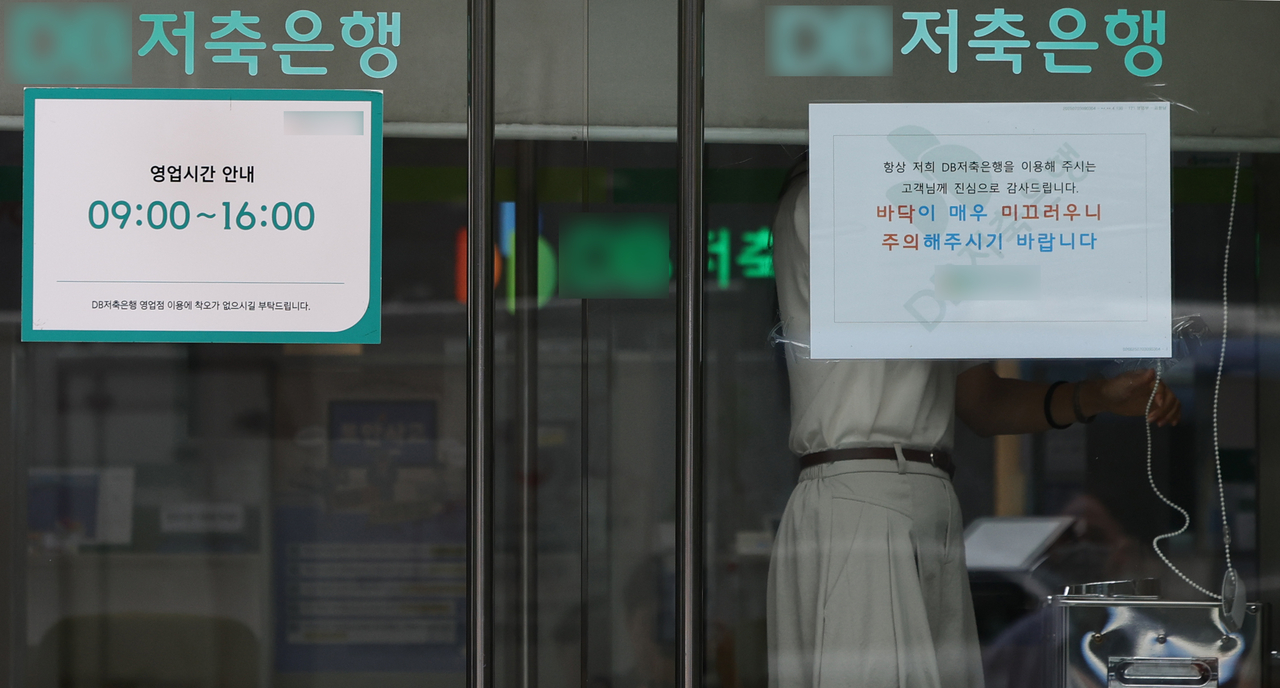
Fixed-term deposit rates at savings banks are climbing again, approaching the 4 percent annual threshold. The number of products offering at least 4 percent interest has jumped more than tenfold in two months, as savings banks compete to retain depositors ahead of a wave of year-end deposit maturities.
According to the Savings Banks Central Union's consumer portal, the average annual interest rate on 12-month fixed-term deposits at savings banks stood at 3.90 percent as of Friday — up 0.17 percentage points from 3.73 percent two months ago and the highest level since July (3.93 percent). Compared with last November's rate of 2.75 percent, the figure has risen by 1.15 percentage points.
As more savings banks raised their rates, the number of fixed-term deposit products offering 4 percent or more annually jumped from 13 to 154 over the same two-month period. The average top preferential rate on one-year fixed deposits at major commercial banks runs at around 3.6 percent annually, giving savings banks a rate advantage of roughly 0.3 percentage points.
The push to raise deposit rates reflects a concentration of year-end maturities and the need to secure fresh funding. Deposits taken in at high rates in previous years are now coming due, forcing savings banks to work harder to retain existing customers — a task made more difficult by the narrowing rate gap with commercial banks.
Industry observers say savings banks need to offer at least 0.3 to 0.5 percentage points more than commercial banks to remain competitive in attracting deposits. The partial expansion of mid-rate loans linked to online peer-to-peer lending platforms and corporate lending has also added to the need to shore up deposit funding.
However, the pace of rate increases has been more gradual than earlier this year, when money was flowing rapidly into the stock market. Financial regulators believe the easing of that equity-market pull has reduced the urgency for savings banks to raise rates sharply.
The mutual finance sector, by contrast, has been relatively slow to adjust rates. Saemaul Geumgo's average annual rate on one-year fixed deposits stood at 3.7 percent as of late October, up just 0.08 percentage points from 3.62 percent in September, and has remained at a similar level since.
Because mutual finance institutions face constraints on expanding new lending under total loan volume management rules, they have little incentive to attract deposits by offering high rates. Saemaul Geumgo has said it is guiding its members to maintain an appropriate level of deposits while refraining from aggressively chasing high-rate funding.
Meanwhile, the Bank of Korea's economic statistics system showed that the outstanding balance of fixed-term deposits with maturities of less than one year at deposit-taking banks reached 470.61 trillion won ($353 billion) as of the end of September — the highest level since the data series began in January 2002. The figure represents a 10.3 percent increase from the same month last year, reflecting demand from depositors seeking to keep funds in short-term instruments in anticipation of further rate increases.
rim@heraldcorp.com