Attention turns to sentencing as legal experts call for strict punishment; calls grow for systemic reform
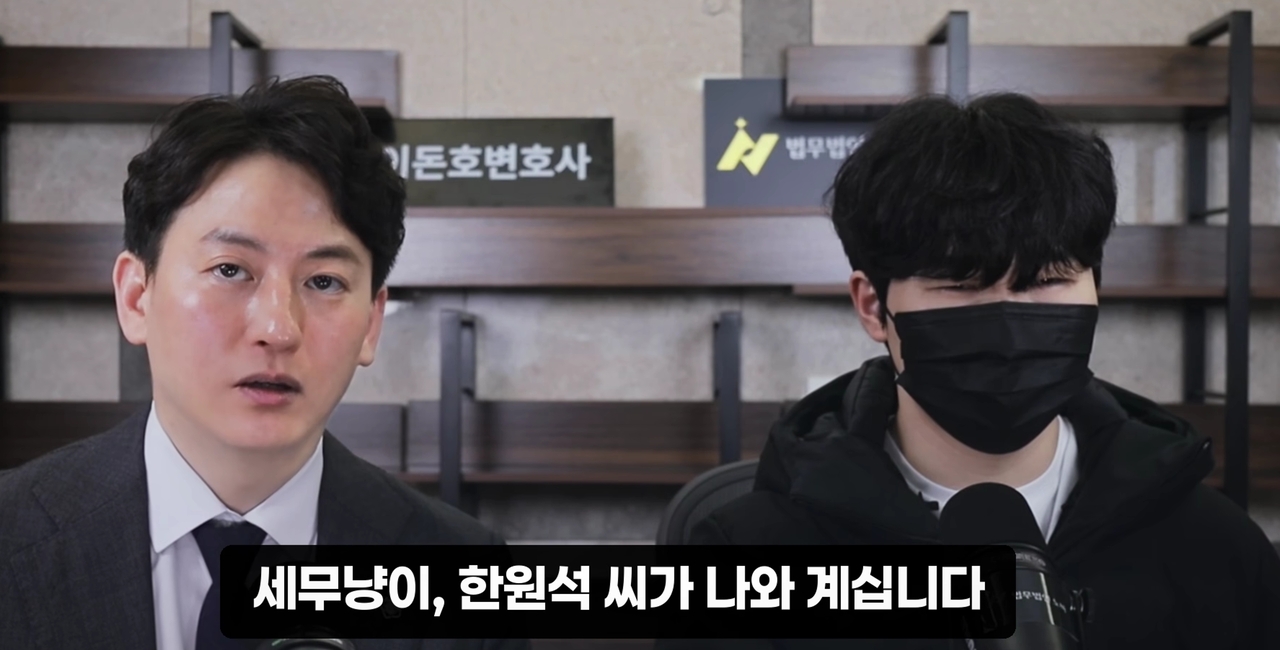
Attention is turning to how severely the top scorer on this year's tax accountant exam will be punished after admitting to cheating with artificial intelligence. Legal experts say strict punishment is unavoidable, though existing precedents have resulted in only fines or suspended sentences — prompting calls for systemic reform.
The examinee, identified only as A, appeared on YouTube on Sunday and said they had used electronic devices and generative AI to cheat on both the first- and second-round exams. A also said the same method was used on the certified public accountant exam.
A is expected to face charges including obstruction of official duties by deception, which carries a maximum sentence of five years in prison or a fine of up to 10 million won ($7,510). The Human Resources Development Service of Korea said Sunday it would file a criminal complaint against A on charges of obstruction of business. The actual charges may change depending on the outcome of the investigation.
Recent precedents have resulted in fines or suspended sentences. The Incheon District Court sentenced an examinee in February to a fine of 3 million won for violating the National Technical Qualifications Act after the person used a mobile phone to query ChatGPT for answers during a written craftsman-level exam administered by the agency. The Gwangju District Court last year sentenced an examinee who used augmented-reality smart glasses during a written pilotage trainee exam to one year in prison, suspended for three years.
Cases involving actual prison time for exam-related offenses have been limited to organized broker schemes. The Seoul Central District Court sentenced a broker in June to three years in prison for recruiting proxy test-takers and arranging 75 substitute sittings of the Test of Proficiency in Korean over four years. The court said the scheme "seriously undermined the fairness that is the foundation of the examination system."
Legal experts say this case differs from previous cheating incidents. Kwon Nae-geon, an attorney at Trinity who previously served as a legal counselor at the Ministry of Justice, said strict punishment appeared unavoidable given that "the potential for copycat offenses is far greater than with other exam fraud." Kwon added that the National Assembly should also consider discussing special legislation to allow for enhanced penalties.
Some also question the significance of A's self-reporting. Kwon said allegations had already been raised to the point where "an investigation would have been inevitable even without the confession."
andy@heraldcorp.com