More than 16,900 flights canceled through Sunday morning
Pilot and crew hour limits hamper recovery efforts
Airlines add flights, cap fares and urge passengers to rebook
Operations expected to return to normal by Sunday evening
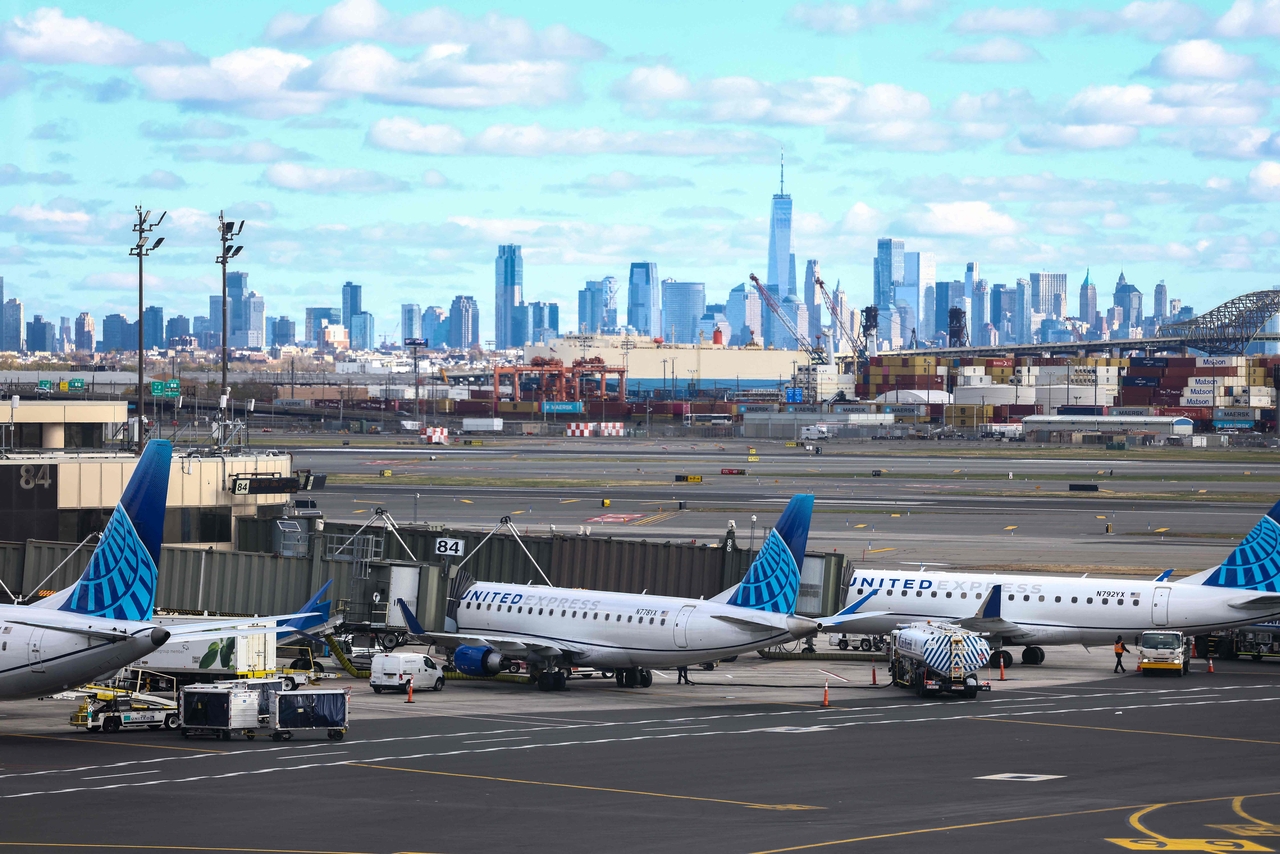
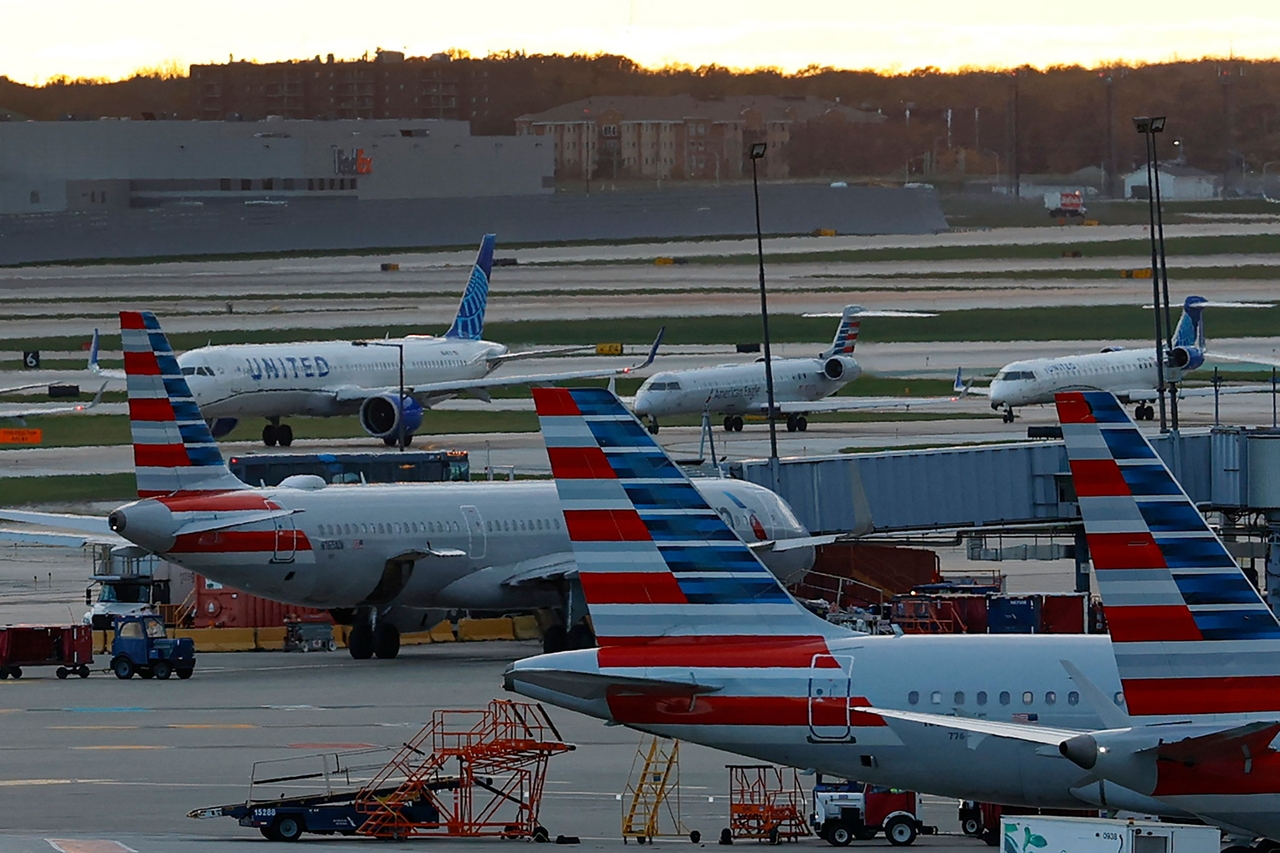
The fallout from a nationwide aviation ground stop that struck the United States on the afternoon of Friday stretched into a third day Sunday (local time), with flight cancellations and delays continuing to pile up.
More than 1,300 flights were canceled in the US by Sunday morning, according to the Wall Street Journal.
More than 9,000 flights were canceled on Friday when the disruption began, followed by 6,600 cancellations on Saturday and more than 1,300 by Sunday morning alone, bringing the three-day cumulative total to more than 16,900 canceled flights.
Airlines worked throughout the weekend to restore their schedules, but the nationwide ground stop left aircraft and crew members stranded far from their assigned positions, making a swift recovery difficult.
Some flights never departed at all. Others that managed to take off were forced to turn back or divert to alternate airports due to congestion.
Delays also pushed pilots and cabin crew past their maximum allowable working hours, preventing them from operating the next scheduled flight and compounding the backlog. Airlines scrambled to restore normal operations by offering bonus pay on select flights and arranging crew accommodations to secure replacement staff.
Carriers also moved to limit passenger hardship. American Airlines capped ticket prices to prevent fares from surging amid the spike in rebooking demand and added extra flights. In a letter to customers Sunday, American Airlines Chief Customer Officer Heather Garboden called the disruption "one of the most significant operational challenges American has experienced." Delta Air Lines advised passengers with flexible itineraries to postpone their departures until after Monday (local time).
The crisis began around 5 p.m. Friday when the Federal Aviation Administration halted all departures nationwide for roughly four and a half hours — the longest such nationwide ground stop since the Sept. 11, 2001, terrorist attacks.
Authorities determined that a newly installed router at a facility in Arkansas had generated an abnormally high volume of communications requests, overwhelming the air traffic control system. Transportation Secretary Sean Duffy said he is investigating whether the incident stemmed from an installation error by network operator L3Harris Technologies or a defect in the router itself.
Duffy warned that similar failures could recur unless the aging air traffic control communications network is upgraded. Work to replace outdated copper telephone lines with fiber optics and other modern infrastructure is targeting completion by the end of 2028.
FAA Administrator Brian Bedford told reporters Sunday that "the worst is behind us," but acknowledged that airlines still face significant work to fully restore their schedules. He said he expects carriers to return to normal operations by the end of the day Sunday.
kate01@heraldcorp.com